
$150 to $500 is a reasonable planning allowance for an HVAC diagnostic visit; $2,000 to $10,000 or more can disappear into a substantial duct correction once access and finish work enter the picture. The cost of HVAC repair new construction buyers face depends on the defect, the system, and who pays for the work. Those are budgeting ranges, not bids. A new house can have a valid equipment warranty and still leave you negotiating over labor, drywall, and the installation mistake that caused the trouble.
Start with the repair, not the equipment label
A thermostat that won't call for cooling might need a wiring correction, a control replacement, or a technician to find a deeper fault. Budget roughly $150 to $500 for diagnosis, potentially more for emergency service or extensive troubleshooting. Ask whether the diagnostic fee is credited toward an approved repair; don't assume it is.
For a straightforward accessible repair, such as correcting a condensate drain issue or replacing a common control component, an initial allowance of $300 to $1,000 may be useful. The actual invoice depends on parts, access, local labor rates, and whether water damage needs separate work. Those numbers are alternatives, not amounts to add to every diagnostic visit.
A refrigerant issue is different. Low charge is a symptom, not a repair scope. Ask for a leak diagnosis and a written correction plan rather than paying indefinitely for another recharge. Costs can range from several hundred dollars for diagnosis and a minor accessible correction to several thousand if a major component, difficult access, or refrigerant recovery is involved. Refrigerant type and the equipment manufacturer's requirements matter.
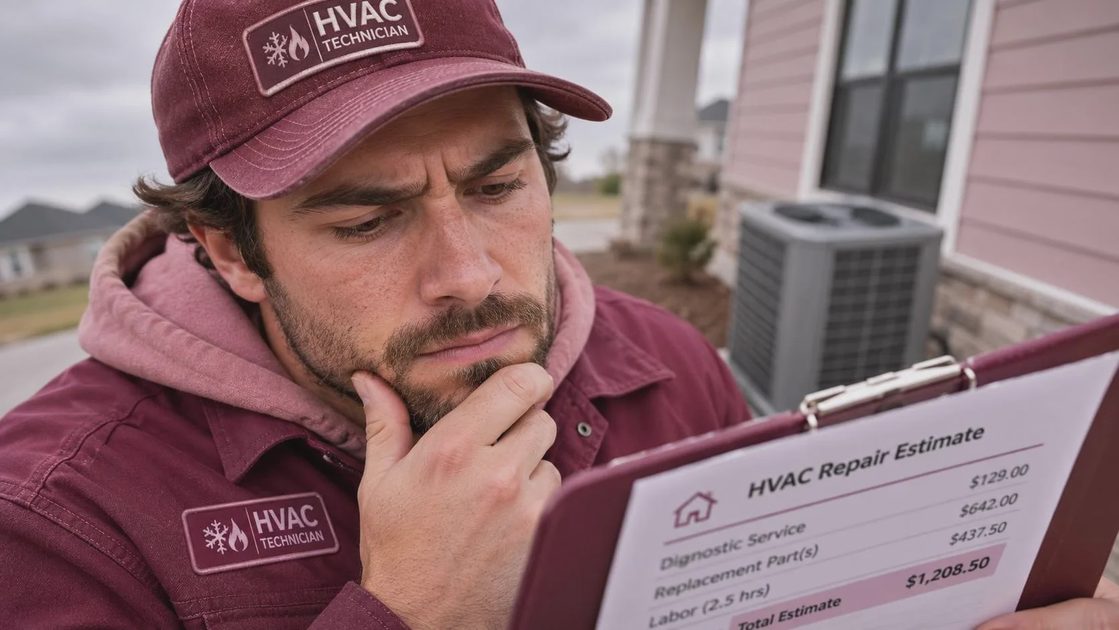
The cost of HVAC repair new construction estimates often miss
The expensive defects are frequently behind finished surfaces. Ductwork that's disconnected, crushed, poorly sealed, or undersized can make a beautiful upstairs bedroom uncomfortable while the equipment runs exactly as commanded. A technician needs to determine which defect exists before anyone prices the fix.
For accessible duct sealing or a localized reconnection, carry a preliminary allowance of $500 to $2,000. For multiple corrections in a tight attic or an enclosed ceiling, $2,000 to $10,000 or more is a more realistic conversation starter. These ranges are illustrative and can vary substantially by house and market. Redesign, new duct runs, or extensive finish restoration can push the total higher.
Here is the part a thin estimate likes to omit: opening drywall, protecting floors, hauling debris, patching texture, painting, and returning the room to its original condition. If the HVAC contractor excludes those items, get a separate restoration quote. A $3,000 mechanical repair plus $2,000 in finish work is a $5,000 problem, even if the first proposal has a smaller number at the bottom.
Also separate repair from redesign. If the system cannot deliver enough air to a room because the original duct layout is inadequate, sealing a joint may not solve the comfort complaint. Ask a qualified HVAC contractor to document airflow and evaluate the duct design before approving cosmetic fixes or equipment replacement.
What replacement can cost when repair isn't enough
A major component failure or an incorrectly selected system can turn a repair reserve into a replacement reserve. For planning, a complete residential heating and cooling system replacement can run roughly $8,000 to $20,000 or more per system, with wide variation by equipment, region, access, and scope. A large house with multiple systems needs a separate estimate for each affected system; don't multiply a generic price and call it engineering.
That allowance may not include new ducts, electrical upgrades, difficult crane access, finish restoration, or work required by local permitting. Nor does a comfort complaint automatically mean the equipment is undersized. An oversized system can also cause problems, including short cycling and poor humidity control. Ask for the load calculation and an explanation of how the proposed equipment matches it.
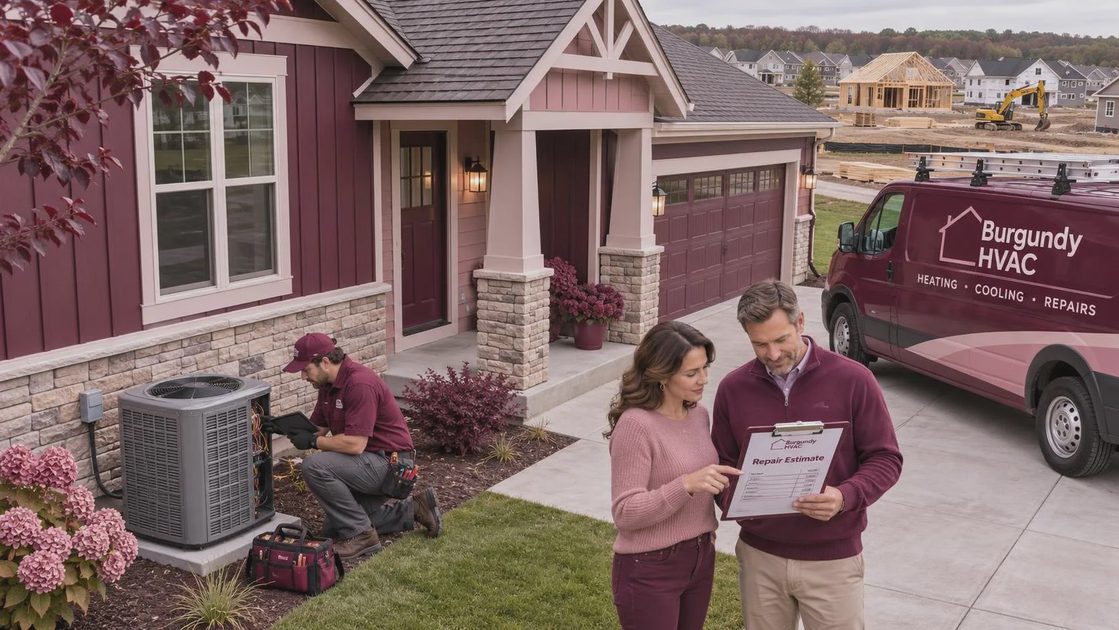
Put the warranty to work before closing
A manufacturer's equipment warranty and a builder's workmanship commitment are not the same thing. Equipment coverage may apply to a failed part while excluding labor, refrigerant, shipping, or damage associated with an installation error. Registration and ownership-transfer requirements can matter, too. Read the actual documents for the installed equipment rather than relying on the phrase “it's under warranty.”
Before closing, request the equipment model and serial numbers, installation and commissioning records, warranty documents, and the contractor's contact information. Document symptoms in writing: which room, what the thermostat was set to, and what happened. Have the builder identify the responsible party, proposed correction, and completion date in writing. Whether a particular item is covered depends on the applicable documents and facts.
If the repair won't be completed before closing, get a contractor's written scope and price for the unresolved work. Separate the amount someone has agreed to pay from your own contingency for exclusions. A warranty promise is useful; it is not the same line item as cash reserved for a contractor and a painter.
Pay for evidence before paying for a fix
A basic inspection can flag a system that won't operate. For a persistent comfort issue, consider an independent licensed HVAC contractor who can measure supply and return temperatures, airflow or static pressure as appropriate, and document visible duct defects. Testing has limits: a single visit in mild weather may not reproduce a problem that appears during an Austin heat wave.
Ask for three things in the report: the observed condition, the likely cause and any remaining uncertainty, and a repair scope with exclusions. If a contractor recommends replacing equipment, ask why a repair or duct correction would not address the documented problem. If invasive inspection is needed, establish who will open and restore the finish before work begins.
My practical reserve starts with the written bids, then adds a project-specific contingency for concealed conditions. For example, a $5,000 combined mechanical and finish quote plus a 20% contingency produces a $6,000 planning reserve; that extra $1,000 is an illustration, not a guarantee. If the scope is still unknown or several rooms must be opened, the uncertainty deserves a larger allowance or more investigation. New drywall is not a diagnostic tool, no matter how clean the paint looks.


No letters yet — pray write the first.