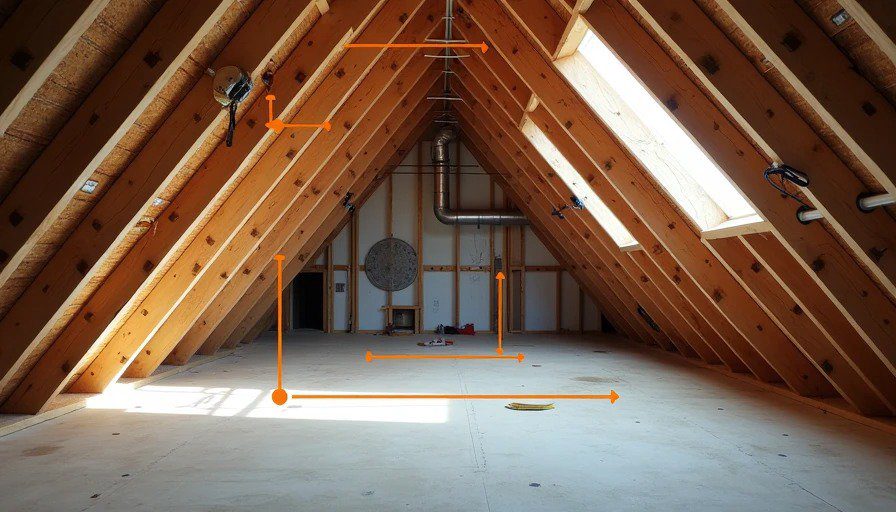
I climb into the attic of nearly every new build I audit. While buyers focus on kitchens and bathrooms, the attic reveals how carefully the mechanical systems and envelope were executed. Insulation gets most of the attention. The real red flags are usually elsewhere. Here are the three things I consistently find that drive future costs.
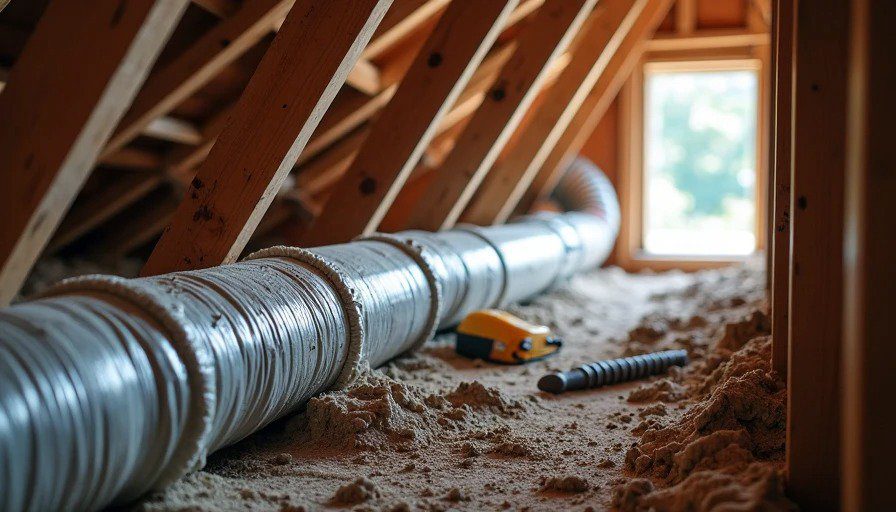
1. Ductwork Execution Issues
Despite passing code, attic ductwork is rarely optimized:
Compression and Restrictions: Flex duct smashed between trusses or against framing, reducing airflow dramatically.
Poor Sealing: Joints with only tape (which fails) instead of mastic. Leakage rates of 15%+ are common.
Inadequate Support: Sagging ducts create kinks and collect dust.
Length and Routing: Excessive runs with sharp bends increase static pressure.
These problems force the HVAC system to work harder, create uneven temperatures, raise energy bills, and shorten equipment life. Remediation after occupancy is messy and expensive — often $3,000–$8,000 for sealing and rerouting.
I measure static pressure and recommend testing. The difference between “code compliant” and properly installed ducts is night and day for comfort.
2. Ventilation and Moisture Management Shortfalls
Proper attic ventilation prevents heat buildup and moisture issues, but new builds frequently fall short:
Inadequate Soffit and Ridge Vents: Blocked or undersized openings.
Improper Baffles: Missing or collapsed insulation baffles that restrict airflow.
Exhaust Fan Venting: Bathroom and kitchen exhausts terminating in the attic instead of outside.
Sealed Attic vs. Ventilated: Conflicting approaches without proper execution.
In Texas heat, poor ventilation drives attic temperatures over 130°F, accelerating roof deck degradation and increasing cooling loads. Moisture trapped from improper exhausts leads to condensation and potential mold.
The fix is straightforward during construction but disruptive later. Budget $2,000–$5,000 if major corrections are needed post-closing.
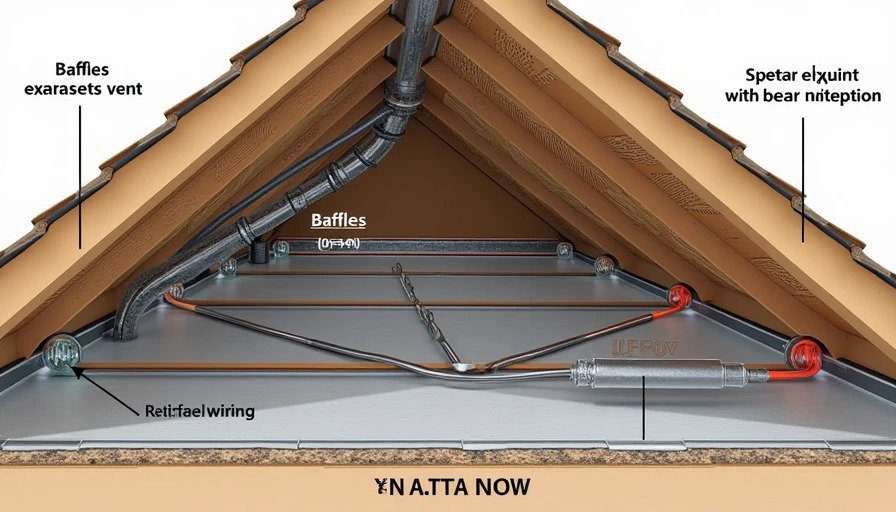
3. Wiring, Penetrations, and Air Sealing Gaps
Attics expose the compromises made for speed:
Penetrations Not Sealed: Electrical, plumbing, and duct penetrations through the ceiling plane allowing conditioned air to escape.
Recessed Lighting Issues: Non-IC rated fixtures or poor airtight covers.
Wiring Support and Protection: Cables draped over edges or not properly secured.
Fire Blocking and Draft Stops: Inconsistent in complex rooflines.
These gaps drive energy loss, reduce system efficiency, and create comfort issues. In extreme cases, they pose safety concerns. Sealing an entire attic plane after the fact costs significantly more than doing it right initially.
Why These Issues Are So Common
Attic work happens late in the schedule when trades are rushing to close the house. Coordination between HVAC, electrical, plumbing, and insulation subs is challenging. Builders prioritize visible areas. The attic becomes an afterthought as long as it passes final inspection.
My cost audit translates these observations into reserve numbers. A “clean” attic with these three issues typically adds $8,000–$18,000 to the 5-year repair reserve.
What a Proper Attic Walkthrough Should Reveal
When I inspect:
Duct integrity and routing
Ventilation balance (net free vent area)
Air sealing at the ceiling plane
Insulation coverage and baffling (though not the main focus here)
Structural elements and roof deck condition
Buyers should insist on attic access during final walkthroughs. Bring a strong light and look up.
Lessons for New Build Buyers
Don’t assume the attic is fine because the home is new. These hidden mechanical and envelope details drive many post-warranty expenses. Addressing them early through negotiation or escrow holds saves money and frustration.
The three issues — ducts, ventilation, penetrations — appear in some form in almost every new construction attic I enter. The severity varies, but the patterns are consistent. Spotting them early with proper auditing prevents them from becoming your problem later.
Next time you’re at a new build, ask to see the attic. What you find there tells you more about the home’s true quality than the staged living room ever will.
Your comfort, energy bills, and long-term maintenance costs depend on it.





No letters yet — pray write the first.