A builder warranty inspection can save you $5,000, $25,000, or considerably more before a shiny new house becomes your expensive repair project. “New construction” describes the age of the structure, not the quality of the work. I have seen million-dollar homes with roof drainage defects, poorly supported decks, leaking windows, slab cracks, and mechanical systems installed with the enthusiasm of a teenager assembling furniture without instructions.
The goal is not to produce a dramatic 50-page report. The goal is to identify defects, estimate realistic repair costs, and give the builder a documented punch list before closing or before the warranty period expires. Don't ask whether anything is wrong with the house. Ask how many dollars you have to spend to fix it.
Why a New Home Still Needs an Inspection
A municipal inspection confirms that certain work was visible and appeared to meet minimum code requirements at specific stages. It does not guarantee excellent installation, durable materials, proper drainage, or a finished home free of defects. A builder's internal quality-control checklist is also not an independent review. That is why a builder warranty inspection matters even when the home passed every required inspection.
A standard inspection often catches loose outlets, missing caulk, scratched flooring, and doors that do not latch. Those items matter, but they are usually the cheap part of the ledger. The serious costs hide in concealed or partially concealed work: flashing behind siding, roof penetrations, attic ventilation, grading near the foundation, condensation around ductwork, and structural connections that were never properly completed.
For a $1.2 million property, a $4,000 inspection is not an indulgence. It is a small underwriting expense. One failed window system can exceed that fee. A drainage correction involving excavation, soil replacement, and new swales can run $8,000 to $25,000. A builder warranty inspection should be scheduled before the final walkthrough whenever access allows, then repeated near the end of the warranty period.
What the Inspection Should Examine
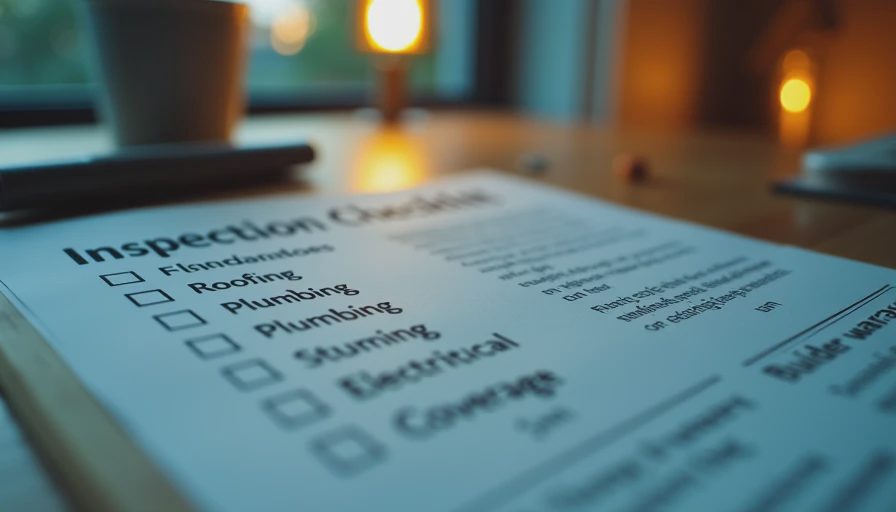
A useful builder warranty inspection starts outside because water is the most persistent and expensive enemy. The inspector should review roof-to-wall transitions, kick-out flashing, valleys, penetrations, gutters, downspouts, exterior sealants, brick ledges, siding joints, and the slope of soil away from the foundation. A downspout dumping against the slab may look harmless during a dry Texas afternoon. Over time, it can create erosion, settlement, or moisture intrusion that costs several thousand dollars to correct.
Inside, the inspection should cover windows and doors for operation, alignment, air leakage, staining, and failed seals. In a high-end house, a fogged insulated glass unit may cost $400 to $1,200 to replace, while damaged wood trim and concealed moisture can push the repair much higher. Tile deserves more than a visual glance. Hollow-sounding tile, cracked grout, uneven transitions, and movement at large-format installations can point to substrate or installation problems.
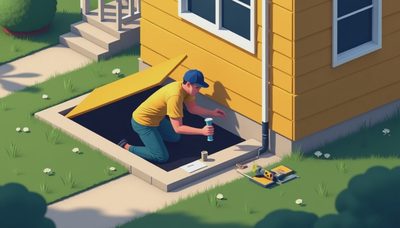
The attic and crawlspace, when accessible, deserve deliberate attention. Look for missing insulation, compressed batts, disconnected ducts, roof sheathing stains, inadequate bathroom exhaust termination, plumbing leaks, and unsealed penetrations. A loose duct connection may waste energy; a wet roof assembly can create a far larger remediation bill. The builder warranty inspection should connect the symptom to the likely cause rather than simply labeling everything “monitor.”
The Cost Ledger Behind the Defects
Builders often describe defects in soft language. “Minor settlement” could mean a hairline drywall crack, or it could mean movement that has opened a masonry joint and distorted a door frame. “Cosmetic caulk repair” might be reasonable around a tub, but it is not a repair plan for recurring water at a window. The inspection report should translate each observation into a scope of work and a dollar range.
For example, correcting localized grading may cost $1,500 to $5,000. Rebuilding a poorly sloped section with drainage improvements can reach $10,000 to $30,000. Replacing damaged attic insulation after a roof leak may cost $2,000 to $8,000, excluding roof repairs. A failed shower waterproofing system can require demolition, drying, waterproofing, tile replacement, and finish work in the $8,000 to $20,000 range.
These are planning ranges, not promises from a contractor. Access, material matching, regional labor, and concealed damage change the final number. Still, a range is more useful than “repair as needed.” Sarah, who teaches math, would reject that phrase immediately. It has no defined variable, no scope, and no place in a serious budget.
Timing the Builder Warranty Inspection
The best schedule has two passes. The first occurs before closing or before the buyer loses practical leverage to request corrections. The second occurs near the end of the builder's written warranty period, often after the house has experienced a full cycle of heating, cooling, rain, and ordinary use. Some defects are invisible during the first month. Shrinkage cracks, drainage failures, intermittent HVAC problems, and window leaks often announce themselves later.
Do not wait until the last week. A builder warranty inspection can uncover a problem, but repairs still require scheduling, access, materials, and sometimes multiple trades. Give the builder enough time to respond while preserving photographs, dates, measurements, and correspondence. If a crack grows from 1/16 inch to 1/4 inch, that progression is more persuasive than a vague statement that the wall “looks worse.”
Before the inspector arrives, gather the plans, finish schedules, equipment manuals, warranty documents, prior punch lists, and records of previous repairs. Operate every appliance, fixture, door, window, garage door, thermostat, irrigation zone, and water shutoff. A luxury kitchen with a $12,000 range is not complete if the ventilation, gas connection, or electrical circuit is wrong.

How to Document a Warranty Claim
Documentation should make the defect easy to understand for someone who was not standing in the room. Photograph the wide context first, then take close images with a ruler or coin for scale. Record the room, wall orientation, date, weather conditions when relevant, and whether the problem is recurring. For water intrusion, note the stain size, odor, moisture reading if available, and the location of nearby roof, plumbing, or HVAC components.
Each item in the report should identify the observed condition, probable cause, recommended corrective action, and estimated cost. “Repair siding” is weak. “Remove and reinstall approximately six feet of siding, correct missing flashing at the window head, replace damaged sheathing if present, and test for leakage” is actionable. The difference is not vocabulary. It is whether the builder can close the ticket without fixing the cause.
Keep repaired items open until they are verified. A fresh bead of sealant can hide a problem for a few weeks. Check whether the stain returns, whether the door operates correctly, and whether the area was dried before finishes were replaced. A warranty manager may be efficient and professional, but the paperwork should still be treated like a cost ledger, not a handshake.
What a Serious Inspection Is Worth
A builder warranty inspection is most valuable when it finds defects that are inconvenient to prove after closing. It creates a baseline, prioritizes safety and water issues, and gives the buyer a defensible repair reserve. For a typical new home, minor corrections may total a few thousand dollars. In a premium home, the reserve can quickly reach $15,000 to $40,000 when drainage, exterior envelope, HVAC balancing, finish failures, and incomplete site work are combined.
That does not mean every new house is defective or every builder is hiding something. Construction is a sequence of trades, weather events, substitutions, rushed deadlines, and human decisions. Patterns matter more than villains. When a report identifies five unrelated caulk gaps, that is maintenance. When it identifies missing flashing at multiple openings, that is a system problem.
Schedule the inspection before the final walkthrough, demand measurable repairs, and price the unresolved work honestly. The house may still be worth buying. You simply want the decision based on dollars and evidence rather than fresh paint and a confident sales presentation. New is not a warranty against mistakes. An independent builder warranty inspection is how you find out which mistakes are yours to inherit.



No letters yet — pray write the first.