A luxury new build can carry a $1.2 million price tag and still need $18,000 in corrections before the moving truck arrives. The problem is rarely one dramatic failure. It is a collection of missed new construction punch list items: a roof penetration with incomplete flashing, an air conditioner that cannot hold temperature, tile installed over a cracked substrate, or grading that sends stormwater toward the foundation. “New” describes the age of the house. It does not certify the workmanship.
I approach a walkthrough like a cost audit, not a scavenger hunt for crooked outlet covers. The useful question is not whether the builder has a warranty department. The useful question is how much access, demolition, and inconvenience a repair will require after drywall, cabinets, and landscaping conceal the mistake.
Start With Safety, Water, and Structure
The expensive new construction punch list items usually involve water or movement. Cosmetic paint defects are annoying. Water intrusion can become a five-figure project while everyone is still arguing about whether the stain is “normal.”
Begin outside. Walk the entire foundation and look for negative grading, low spots beside patios, missing extensions on downspouts, and soil pulled away from the slab. A modest regrade might cost $1,500 to $4,000. Correcting erosion, buried drainage, and damaged foundation finishes can push beyond $10,000. Check window and door thresholds for incomplete sealant, especially where masonry, stucco, or stone meets a frame.
On the roof, photograph lifted shingles, exposed fasteners, damaged flashing, open pipe boots, and valleys holding debris. A roofer can often correct isolated details for $300 to $1,500. Once water reaches insulation and ceiling drywall, the same defect becomes a $3,000 to $12,000 interior repair, before considering mold treatment or damaged hardwood.
Inside, inspect structural spans and large openings for unusual cracks, sagging ceilings, sticking doors, or floors that noticeably slope. A hairline drywall seam is not automatically a structural emergency. A six-foot crack that widens through multiple materials deserves measurement and documentation, not a shrug from a superintendent.

Test Every Mechanical System Under Load
A switch turning on proves almost nothing. New construction punch list items should be tested while the systems are working hard, because intermittent problems hide during a ten-minute tour.
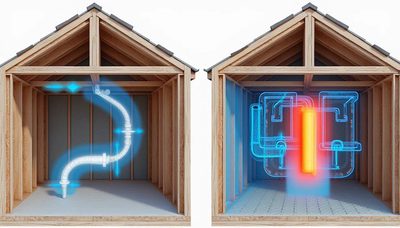
Run heating and cooling equipment long enough to compare supply and return temperatures, listen for vibration, and check whether rooms at the ends of ducts receive adequate airflow. An unbalanced system can create $2,000 to $8,000 in duct, control, or insulation work. Confirm that condensate lines drain correctly and that the secondary pan or overflow protection is installed where required by the design.
Operate every plumbing fixture at the same time. Flush toilets while a shower runs, fill tubs, test hose bibs, and inspect cabinet interiors for slow leaks. Look for uninsulated hot-water lines in accessible areas and confirm that water pressure remains usable when two fixtures operate. A leaking supply connection may cost $150 to repair today and $8,000 after it damages cabinetry and flooring.
Test the electrical system methodically. Use a plug tester on receptacles, press every GFCI and AFCI test button, verify exterior outlets, and check garage circuits. Open the electrical panel only if qualified to do so, but photograph labeling and note missing circuit identification. Replacing a few devices is inexpensive; tracing mislabeled circuits through finished walls is not.
Finishes Are Evidence, Not Just Decoration
Many buyers treat paint, cabinets, flooring, and tile as a final beauty inspection. That misses the diagnostic value. Finishes reveal whether the crew followed a consistent process.
Use a bright flashlight across walls at a shallow angle. Note broad waves, visible patches, nail pops, and corner beads that telegraph through the paint. A small drywall correction might run $150 to $400. Reworking several rooms after furniture arrives can become a $2,000 to $6,000 disruption.
For cabinets, open and close every door and drawer. Check reveals, hinge adjustment, countertop seams, backsplash joints, and unsupported overhangs. A loose island or poorly sealed sink cutout is not a style preference. It is a durability problem. Countertop replacement can exceed $4,000 once plumbing, backsplash, and cabinetry are involved.
Tile deserves a straightedge, not optimism. Check lippage, hollow-sounding pieces, inconsistent grout joints, cracked corners, and missing sealant at changes of plane. One replacement tile may cost $200. A failed shower assembly can require demolition, waterproofing, tile, and glass work in the $8,000 to $20,000 range. Do not accept “the grout will hide it” as a repair method.
Document New Construction Punch List Items Like a Cost Auditor
A verbal complaint disappears as efficiently as a receipt in Ranger's mouth. Create a room-by-room log with a unique item number, exact location, photograph, description, likely cause, requested correction, and verification date. Photograph the item from across the room and close up with a ruler or coin for scale.
Separate observations from conclusions. Write “water collects beside the rear door after hose test” rather than “bad drainage.” Then assign a priority. Safety and active water issues come first, followed by concealed-work concerns, system performance, and cosmetic corrections.
For each item, record a realistic repair range. A $250 allowance for a defect requiring cabinet removal, drywall access, and repainting is not a budget; it is decorative fiction. Ask how the repair will be reached, what materials must be removed, and who will restore adjacent finishes. Those three questions expose incomplete fixes quickly.
When the builder marks an item complete, retest it. Run the fixture, operate the door, inspect the sealant, and photograph the result. “Crew notified” is not completion. Completion means the defect is corrected and the surrounding work is still intact.

The Final Walkthrough Is Not the First Inspection
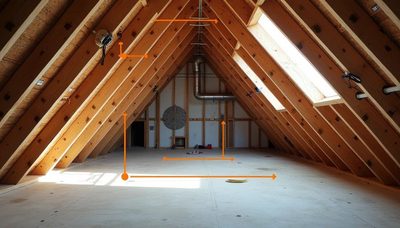
Schedule professional inspections at stages when defects are still visible: before insulation and drywall, before close-in, and near completion. A final inspection cannot see a missing flashing component behind finished stone. It can, however, identify clues such as staining, uneven temperatures, unexplained ceiling patches, or fasteners in the wrong locations.
Bring the plans, finish schedule, appliance specifications, and any change documentation. Verify that installed equipment matches the specified capacity and model class. Confirm windows operate, locks engage, garage doors reverse, attic access is usable, and exhaust fans discharge appropriately. New construction punch list items often hide in items nobody expects to test, including doorbell transformers, irrigation zones, exterior lighting timers, and water shutoff access.
For a high-value home, a basic inspection may cost several hundred dollars, while a deeper engineering or building-envelope review can run $1,500 to $4,000. That is a small line item beside a failed balcony membrane, damaged hardwood, or inaccessible mechanical equipment. The report should connect each finding to urgency and probable repair cost rather than burying everything in a fifty-page list.
What to Hand Over Before Closing
The strongest new construction punch list items report is concise enough that a project manager cannot pretend it was misunderstood. Group findings into immediate safety, water and structural protection, system performance, finish quality, and documentation. Include a marked floor plan for locations and a photo index for evidence.
Before signing off, confirm that permits and required final approvals are complete, manuals and warranty contacts are organized, filters are installed, and keys or remotes operate every lock and gate. Record serial numbers for major equipment. Ask for written confirmation of unresolved work, the responsible trade, and the expected completion date. I am an engineer, not your attorney, so I do not interpret contract remedies; I do insist that the physical condition and repair record are clear.
The final lesson is simple: new construction punch list items are not a courtesy list for the builder. They are your last practical opportunity to identify hidden cost before ownership turns every defect into your problem. Do not ask whether there is anything wrong with the house. Ask how many dollars you have to spend to fix it, how soon the failure can spread, and whether the repair is still accessible. That is how you replace a pleasant walkthrough with actual due diligence.



No letters yet — pray write the first.