A new home can hide $20,000, $50,000, or more in correction costs behind fresh paint and a builder’s punch list. That is why learning how to hire inspector for new build construction matters before you sign closing documents. “Brand new” describes the age of the drywall, not the quality of the flashing, grading, wiring, or foundation work.
The right inspector does more than tap walls and photograph scuffed trim. The right professional identifies defects while access is still possible, explains the likely repair sequence, and gives you a realistic cost range. A 60-page report is not automatically useful. A short report that catches a failed roof-to-wall transition can save more than a decorative kitchen upgrade ever will.
Start with the Inspection Schedule, Not the Inspector’s Brochure
The best time to ask how to hire inspector for new build work is before construction begins, not three days before closing. New construction should be inspected in phases because different systems disappear as walls and ceilings are covered.
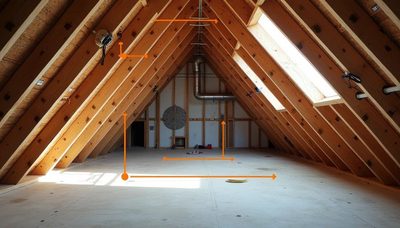
A pre-drywall inspection examines framing, blocking, plumbing lines, ductwork, electrical runs, insulation, window installation, and weather barriers. Once drywall goes up, many of those defects become expensive to investigate. A final inspection checks completed systems, drainage, roof details, doors, windows, appliances, life-safety devices, and visible finishes. A warranty inspection, often scheduled around the eleventh month, documents problems before the builder’s standard warranty period ends.
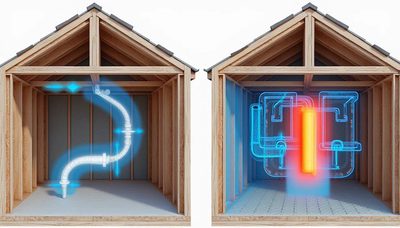
For a high-value home, add targeted reviews when the risk justifies them. A structural engineer can assess unusual beams, retaining walls, expansive soils, or significant settlement concerns. A sewer scope commonly costs roughly $200 to $500 and can reveal crushed, offset, or poorly connected lines. A thermal scan can identify missing insulation or suspicious moisture patterns without opening every wall.
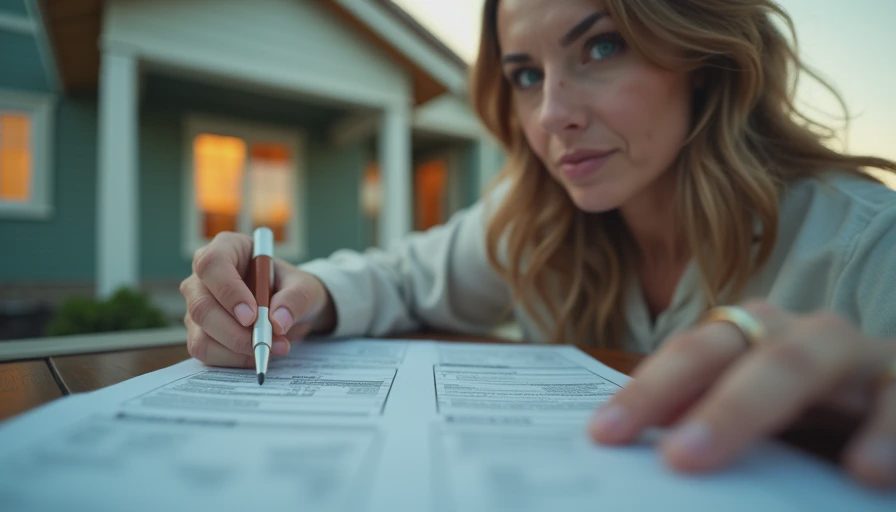
How to Hire Inspector for New Build Credentials That Matter
When researching how to hire inspector for new build projects, begin with independence. The inspector should work for you, not the builder, lender, real estate team, or warranty department. Ask whether the company performs inspections for new construction regularly. A generalist who mostly inspects ten-year-old resale homes may miss sequencing problems that are obvious to someone who has worked around active construction sites.
Look for a state license where required, professional liability insurance, and meaningful experience with residential construction. A Professional Engineer license is valuable when the house includes complicated structural elements, but it does not replace a complete home inspection. Likewise, a certification alone does not prove field judgment. Ask for a sample report with personal information removed. You want photographs, locations, severity, recommended next steps, and clear explanations rather than a computer-generated catalog of every imaginable defect.
Interview the inspector by phone. Ask what is excluded, whether the inspector walks the roof or uses safe alternatives, how inaccessible areas are handled, and whether the inspector returns after corrections. A confident professional will explain limitations plainly. Someone who promises to find everything is selling theater, not due diligence.
Ask Questions That Expose the Real Scope
A useful conversation about how to hire inspector for new build should include specific questions. “Do you inspect new homes?” is too broad. Ask how many pre-drywall inspections the inspector completed recently and whether the buyer can attend. Ask how the inspector evaluates site drainage, window flashing, attic ventilation, foundation penetrations, and mechanical equipment installation.
Ask whether the report separates safety defects from cosmetic imperfections. A missing handrail and a paint smear do not belong in the same priority category. Ask how suspected moisture intrusion is confirmed. A moisture meter reading is a clue, not a diagnosis, and the inspector should explain when further testing is needed.
You should also ask about turnaround time. A report delivered two weeks after the walk may be technically thorough and commercially useless. For active construction, the builder needs time to correct work before the next trade covers it. Get the inspection fee in writing. Depending on size, location, and complexity, a standard new-construction inspection may cost approximately $400 to $1,200, while phased or luxury inspections can run higher.
Read the Report Like a Repair Ledger
A good report should help you decide what requires immediate correction, what needs monitoring, and what belongs in a future maintenance reserve. “Improper grading” is not enough. You need to know where water is likely to collect, what component is exposed, and whether the remedy involves soil adjustment, drainage work, or excavation.
This is where how to hire inspector for new build becomes a money question. A loose toilet supply connection might represent a $150 repair today and several thousand dollars after flooring and cabinetry are damaged. Missing attic insulation could cost $1,000 to $4,000 to correct before drywall access disappears, but substantially more if finished ceilings must be opened. A poorly sloped shower pan can turn into tile removal, waterproofing replacement, and finish restoration costing $3,000 to $10,000 or more.
Those are planning ranges, not contractor bids. Still, they are more useful than a report that labels every issue “minor.” Sarah, who teaches math, would reject a spreadsheet with no units. I apply the same standard to inspection reports: every defect needs a location, consequence, priority, and reasonable next action.
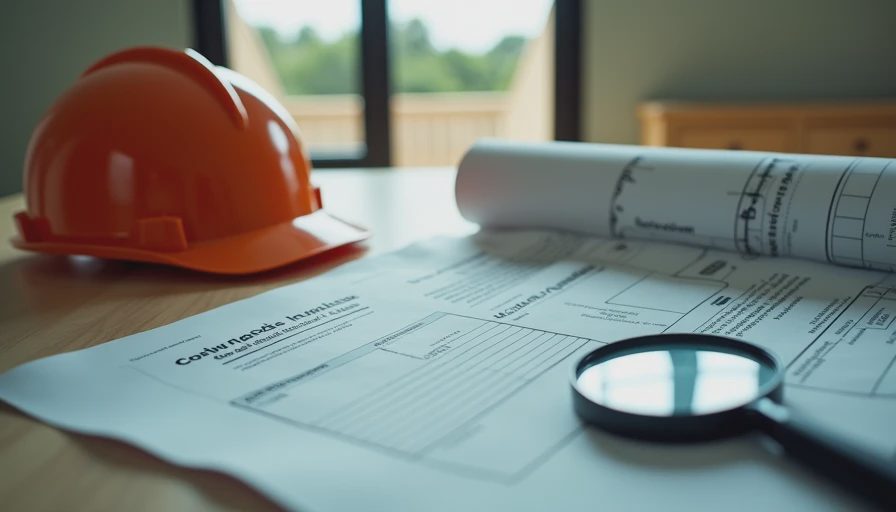
Red Flags When Comparing Inspectors
Be cautious if the inspector accepts a builder’s preferred vendor list without explaining independence. Referral lists are not proof of bias, but they are a reason to ask more questions. Be cautious if the inspector refuses to inspect before drywall because “the builder already checked it.” The builder’s quality-control process and your independent due diligence serve different interests.
Another warning sign is a report packed with disclaimers but thin on observations. An inspector cannot see inside a concealed wall without destructive testing, but that limitation should lead to a recommendation for targeted testing when the risk is material. It should not become an excuse to ignore visible evidence around windows, foundations, roofs, or plumbing penetrations.
Also avoid choosing solely on price. Saving $300 on an inspection that misses a drainage failure is the same kind of bargain as buying a $1.2 million house based on the cheapest survey. The fee is small compared with correcting water intrusion, replacing damaged flooring, or reopening finished walls.
How to Hire Inspector for New Build and Manage the Walkthrough
Once you know how to hire inspector for new build construction, make the site visit productive. Bring the plans, finish schedule, appliance list, and any builder specifications you are allowed to review. Wear closed-toe shoes and expect dust, ladders, and unfinished surfaces. Do not distract active trades, but ask the inspector to show you each significant finding.
Take photographs of locations, not just close-ups. A picture of a cracked seal means little without a second image showing which window it belongs to. Keep a running correction log with the original finding, builder response, completion date, and follow-up status. When the builder says “fixed,” verify the specific work rather than accepting a fresh bead of caulk as a universal cure.
If the property includes expensive stone, custom millwork, smart-home equipment, pools, detached structures, or extensive landscaping, confirm that those areas fall within the scope. Many costly defects occur outside the main shell: a pool leak, undersized electrical service, blocked site drain, or irrigation line damaged during grading.
The Final Cost Test
The practical answer to how to hire inspector for new build is simple: hire the person who can connect a visible defect to its likely consequence and correction cost. You are not buying a thick PDF. You are buying time, leverage, and a clearer repair reserve before your money is committed.
Schedule the inspection early enough to influence construction, use separate phases when possible, and demand a report that distinguishes cosmetic noise from expensive risk. A new house should not need to be perfect; no building is. But you should know whether the imperfections add up to $800 in punch-list work or a future $35,000 water-management project.
Don’t ask me whether there is anything wrong with the house. Ask how many dollars you have to spend to fix it. Then decide with the numbers visible.


No letters yet — pray write the first.