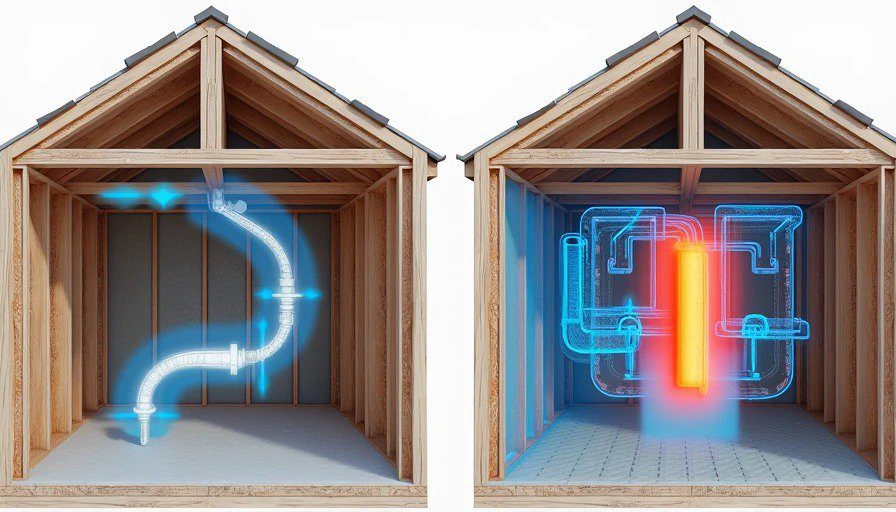
The report came back: “HVAC system appears functional and code compliant.” The buyer was relieved. Six months later they called me — hot spots in some rooms, cold others, higher than expected utility bills, and that constant hum of the system working harder than it should.
I’ve seen this pattern hundreds of times. Ductwork that technically passes inspection during construction frequently underperforms in daily use. The difference between code minimum and properly engineered installation can easily cost $6,000–$12,000 in comfort upgrades, higher energy bills, and premature equipment wear over five years.
What Code Actually Checks vs. What Matters
Building code focuses on safety and basic functionality:
Proper sizing of equipment
Minimum insulation levels on ducts
Basic sealing requirements
Clearance from combustibles
It does not require:
Optimal layout for even airflow
Rigorous leakage testing (beyond basic)
Proper support to prevent compression
Balanced returns and supplies
Consideration of real-world installation conditions
This gap creates systems that “work” on paper but disappoint in practice.
Common Ductwork Failures I Document on Walkthroughs
1. Flex Duct Nightmares
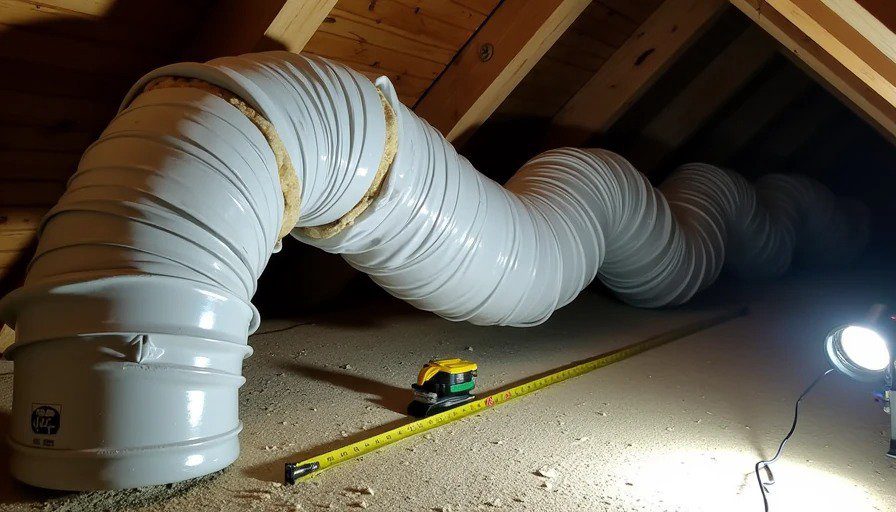
Flexible duct is cheap and easy to install but frequently abused. I regularly find:
Sections compressed to 50% diameter, restricting airflow dramatically.
Excessive length and sharp bends causing friction losses.
Poor support leading to sagging and kinks.
Inadequate sealing at connections (mastic and tape both required for best results).
One linear foot of compressed flex can reduce airflow by 20–30%. Across an entire system, this forces the blower to work harder, increases energy use, and creates pressure imbalances.
2. Rigid Duct Issues
Even sheet metal or rigid board ducts suffer from:
Poor joint sealing leading to leakage rates of 10–20% or higher.
Inadequate insulation in unconditioned spaces.
Improper sizing or transitions that create turbulence.
3. Return Air Deficiencies
Many new homes skimp on return paths. A single central return in a large open-concept home cannot properly serve distant bedrooms. This creates positive pressure in some zones and negative in others, pulling in unconditioned air or causing comfort issues.
4. Zoning and Balancing Problems
Dampers installed but never properly balanced. Smart zoning systems added as an afterthought without duct redesign.

The Real Cost of "Code Compliant" Ductwork
Here’s the ledger impact I calculate:
Energy Penalty
10–25% higher bills due to leakage and poor distribution. On a $2,500–$3,500 annual HVAC-dominated bill in Texas, that’s $300–$800 extra per year.
Comfort and Equipment Life
Short-cycling wears out compressors faster. Uneven temperatures lead to thermostat wars and supplemental space heaters or fans.
Repair and Remediation Costs
Duct sealing and balancing: $1,500–$4,000
Redesign and replacement of problematic sections: $5,000–$12,000+
Full system replacement earlier than necessary: Major five-figure hit
In one recent walkthrough, the “code compliant” system had 18% leakage and severe compression in multiple runs. Projected 5-year cost: $9,200 in higher energy and eventual remediation.
What Proper HVAC Duct Installation Looks Like
Best practice installation includes:
Thorough sealing with mastic and mesh tape at all joints.
Proper supports every 4–5 feet for flex duct, keeping it straight.
Rigid ducts where possible in high-velocity areas.
Adequate return air pathways — often multiple returns or jump ducts.
Post-installation testing: Total duct leakage under 4–6% ideally, static pressure in good range.
Balanced airflow to each room with dampers adjusted under load.
These details add cost upfront but save significantly over time. When builders cut here to meet budgets, buyers pay through operations and repairs.
Walkthrough Checklist for Buyers and Auditors
When I evaluate ductwork:
Visual inspection of accessible areas for compression, sagging, and sealing.
Static pressure and temperature differential measurements.
Review of Manual D calculations if available.
Assessment of return air provisions relative to supply.
Projection of long-term performance and costs.
Ask your builder for commissioning reports and consider third-party testing. The small investment pays dividends.
Why This Keeps Happening in New Construction
Tight schedules, multiple trades, and cost pressures lead to rushed duct installation. Flex duct is forgiving until it isn’t. Subs focus on getting it “in” rather than “in correctly.” Municipal inspections catch safety issues but not performance optimization.
This is why my cost audits go beyond code. I price the comfort and efficiency gap so buyers can negotiate upgrades or reserves before closing.
The HVAC system is one of the largest ongoing investments in your new home. Making sure the ductwork — the circulatory system of that HVAC — is done right prevents years of frustration and extra expense.
Don’t settle for “it passed code.” Demand the numbers on leakage, balancing, and performance. Your monthly utility bills and daily comfort will reflect the difference.
The next time an inspector says the ductwork is fine, dig deeper. Measure what matters. Because code compliant and correctly installed are often two very different things.




No letters yet — pray write the first.