
The sales packet proudly states “Lifetime Limited Warranty on Shingles.” The roofer nods confidently. Buyers breathe easier thinking the roof is covered forever. Then a windstorm or hail event hits and the claim process begins. That’s when the fine print becomes expensive reality.
I review roof details and warranties on nearly every audit. “Lifetime” is marketing language. The actual coverage is limited, prorated, and full of conditions that shift costs back to the homeowner. Here’s what I look for and what the numbers really mean.
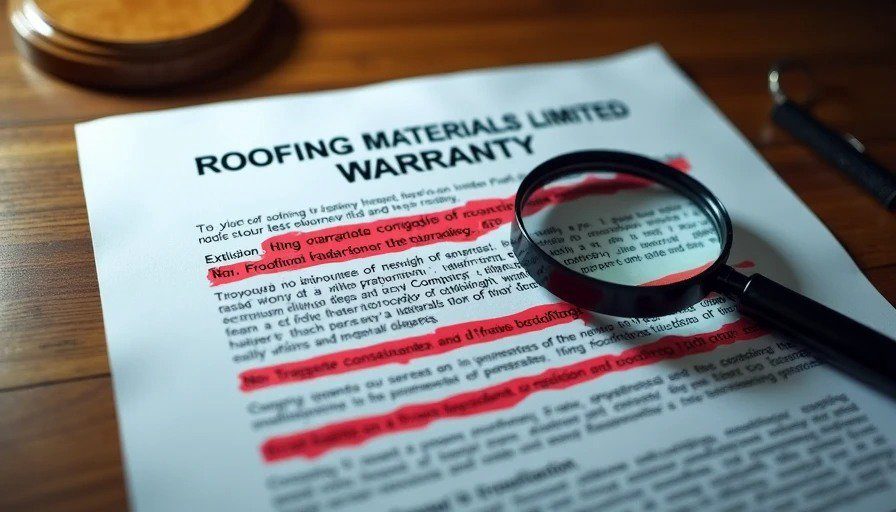
What "Lifetime" Actually Means
Most shingle warranties are:
Material Only: Covers defects in the shingles themselves, not installation or consequential damage.
Prorated: Full coverage for the first few years, then decreasing percentage over time. A 30-year shingle might have “lifetime” marketing but 30–50 year prorated material coverage.
Non-Transferable or Limited Transfer: Full benefits for original owner only. Subsequent buyers get reduced terms.
Installation Dependent: Requires proper installation per manufacturer specs. Poor flashing or underlayment voids coverage.
Exclusions Galore: Wind speeds above certain thresholds, hail size limits, neglect, improper ventilation, etc.
In practice, many claims result in partial material credit toward replacement, with labor and other costs on the homeowner.
Common Issues I Find During Roof Walkthroughs
Even new roofs have execution problems that affect warranty viability:
Flashing and Penetration Details: As covered in earlier posts, these are frequent failure points.
Underlayment and Ice/Water Shield: Insufficient coverage in valleys or eaves.
Ventilation Imbalance: Leading to heat buildup and premature shingle degradation.
Fastener Patterns: Incorrect spacing or type.
Shingle Alignment and Sealing: Poor overlaps or manufacturing defects.
A roof that looks good from the ground can hide details that limit warranty claims or cause early failure.
Real Cost Projections Beyond Warranty
Even with a good warranty, homeowners face:
Deductibles and Labor: $5,000–$15,000+ per claim depending on roof size.
Partial Replacements: Matching issues often require full roof replacement for aesthetics.
5–10 Year Maintenance: Cleaning, minor repairs, ventilation upgrades: $2,000–$6,000.
Full Replacement Cycle: Sooner than advertised if installation or ventilation was marginal: $18,000–$35,000 for average new home.
My reserve models typically allocate $8,000–$18,000 for roof-related items in the first 10–15 years, even on new construction.
What to Demand and Verify
Full manufacturer warranty documentation before closing.
Installation records and photos from the roofer.
Independent roof inspection focusing on details, not just surface.
Clear transfer terms if you might sell within 10 years.
Proper ventilation calculations and execution.
Upgrading to premium shingles or better underlayment can improve real performance even if the warranty language stays similar.
The Fine Print Bottom Line
“Lifetime” sells roofs. Prorated, limited, installation-dependent coverage is what you actually get. Read every clause. Understand the exclusions. Budget for the gaps.
The warranty is a starting point, not a guarantee. Proper installation and maintenance extend real roof life far more than the paper does. My audits price the difference so you’re not surprised when the first claim falls short of expectations.
Don’t take the marketing at face value. Read the fine print with the same scrutiny you’d apply to any major investment. Your roof protects everything else — make sure the coverage and execution actually do.





No letters yet — pray write the first.