A crawlspace inspection can expose the defects that a polished new-home walkthrough misses: standing water, damaged vapor barriers, leaking supply lines, undersized vents, and foundation movement. The inspection itself commonly costs a few hundred dollars, or roughly $1,000 to $2,000 for a detailed luxury-home assessment. That is cheap compared with replacing warped hardwood, remediating mold, or repairing a failed drainage system after closing.
Don't ask me whether there is anything wrong with the house. Ask how many dollars you have to spend fixing it. A crawlspace is where builders, subcontractors, and gravity quietly leave their invoices. You will not see most of those invoices from the kitchen island.
Why a crawlspace inspection belongs in new construction due diligence
New does not mean dry, level, or correctly installed. It means the mistakes are younger. I have seen brand-new homes with torn polyethylene vapor barriers, unsealed penetrations around plumbing, insulation fallen from the floor system, and condensate lines draining directly onto soil. None of those conditions appears in a brochure. Several can remain invisible during a standard interior inspection.
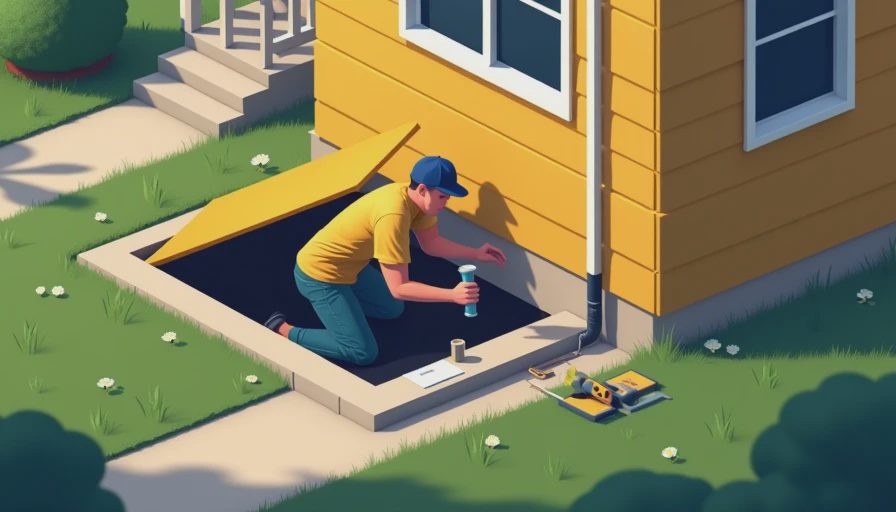
A crawlspace inspection examines the underside of the structure from the soil upward. The inspector should document moisture levels, drainage, piers, beams, joists, subflooring, insulation, mechanical lines, electrical wiring, pest evidence, and ventilation or encapsulation details. The useful report does not simply say “moisture observed.” It identifies where the water is coming from, how quickly the damage could progress, and what the repair sequence will cost.
For example, a small plumbing leak under a bathroom might require $300 to $900 if caught early. Leave it long enough to damage subflooring and joists, and the same location can become a $6,000 to $15,000 selective demolition and repair. If fungal growth, access limitations, and finish replacement join the party, the spreadsheet gets uglier quickly.
What the inspector should examine below the floor
A serious crawlspace inspection begins with access, not a flashlight held from the hatch. If the opening is too small, blocked by ductwork, or surrounded by stored materials, that limitation belongs in the report. “Not inspected” is not a clean bill of health; it is an unanswered question with a dollar sign attached.
The soil should be checked for standing water, damp areas, erosion, and signs that surface runoff is entering beneath the house. A vapor barrier should cover the intended ground area, have properly overlapped seams, and remain secured rather than shredded around every pier. In an encapsulated space, the inspection should include wall sealing, dehumidification, sump operation, drainage discharge, and evidence that the system is actually controlling humidity.
Wood members deserve close attention. Look for dark staining, soft fibers, fungal growth, insect galleries, improper notching, excessive spans, and connections that do not match the structural drawings. A cracked joist is not automatically a structural emergency, but a cut joist supporting a beam is not “just cosmetic” because someone used that phrase during a walkthrough.
Plumbing and mechanical systems create their own ledger. Inspect supply lines, drain connections, water heaters, HVAC ducts, refrigerant lines, condensate routing, and insulation. Flexible ductwork resting in wet soil can deteriorate and force premature replacement. A disconnected bathroom exhaust duct can push humid air into the crawlspace for years, which is a creative way to manufacture mold beneath an expensive home.
Translating crawlspace findings into repair reserves
The purpose of a crawlspace inspection is not to collect scary adjectives. It is to build a defensible repair reserve. Every finding should have a scope, a likely trade, an urgency rating, and a reasonable cost range.
A damaged vapor barrier may cost $1,500 to $4,000 to remove and replace in a modest, accessible space. Full encapsulation with sealed walls, a dehumidifier, drainage improvements, and electrical work can run $8,000 to $20,000 or more in a large home. Those ranges are not interchangeable. A contractor who quotes $3,000 for a sheet of plastic may not be pricing the moisture source, access, disposal, or long-term humidity control.
Minor joist reinforcement might land between $1,000 and $3,500. Broad subfloor replacement can reach $10,000 to $30,000 once flooring, cabinetry, and damaged framing are involved. Structural pier correction is a different category entirely, often requiring engineering review and costs ranging from several thousand dollars to well above $20,000 depending on access and settlement.
The most important number is often the cost of preventing recurrence. Replacing wet insulation without correcting drainage is like buying a new sofa while leaving the roof open. It looks better for a week and solves nothing.

Red flags that should change the closing conversation
Some findings deserve immediate escalation. Standing water after a dry weather period suggests a drainage, grading, groundwater, or plumbing problem. Freshly painted framing can indicate an attempt to cover staining, although paint alone proves nothing. Strong musty odors, elevated wood moisture, rusted metal connectors, and multiple patched areas deserve documentation and follow-up.
Watch for builder-speak that turns a measurable defect into a personality trait. “Some settling is normal” does not answer whether a pier is bearing evenly. “The space breathes” does not explain why humidity is high. “The barrier is installed” does not tell you whether it is sealed, intact, and covering the ground. A crawlspace inspection should replace those phrases with photographs, measurements, and scopes of work.
A new home with minor punch-list items is normal. A home with active water intrusion, compromised framing, or inaccessible areas is a different financial decision. I am not making a legal determination about your contract or warranty. I am identifying the exposure you should price before treating a builder promise as cash in the bank.
How to schedule and use the report
Schedule the crawlspace inspection after major site drainage is complete and before the final contingency deadline or closing milestone that controls your leverage. Ask for an inspector who enters the space when safe, carries a moisture meter, photographs representative conditions, and distinguishes observation from diagnosis. A report assembled from the hatch opening is a postcard, not due diligence.
Before the visit, provide plans, engineering details, prior repair notes, and any builder documentation describing encapsulation, drainage, or foundation systems. During the review, ask for the three most expensive likely repairs, the three conditions that could worsen fastest, and the items that need a specialist rather than a general handyman.
Then price the work independently. Get a drainage contractor for water management, a licensed plumber for concealed leaks, an HVAC contractor for duct and condensate problems, and a structural engineer for questionable framing or foundation movement. The inspection finds the problem; the correct trade confirms the remedy.
A useful crawlspace inspection report should leave you with a short action list, not 60 pages of atmospheric prose. Sort findings into repair before closing, repair during the first year, monitor with a defined threshold, and accept as ordinary maintenance. Put actual dollars beside each category. Sarah would red-pen any spreadsheet that listed “moisture issue” without a scope, and she would be right.
The number worth remembering
Budgeting $1,000 for a detailed crawlspace inspection on a million-dollar home is not excessive. It is roughly the price of a few premium light fixtures and far less than a failed drainage correction, damaged hardwood floor, or structural repair discovered after the keys change hands.
The best outcome is not a dramatic report. It is a dry, accessible, properly supported space with documented repairs and a reserve based on evidence. If the inspection finds nothing significant, you bought certainty. If it finds a $12,000 problem, you bought information before that problem became yours. That is the entire point: inspect the dark place, translate findings into dollars, and negotiate from numbers rather than optimism.



No letters yet — pray write the first.