How long does a home inspection take when the property is a $1.2 million new build with three HVAC systems, a detached garage, and enough smart-home wiring to confuse a small airport? Usually two to four hours. That answer is useful, but incomplete. The real question is whether the inspector has enough time to find defects that could cost $5,000, $20,000, or considerably more after closing.
A basic inspection is not a stopwatch exercise. It is a sampling exercise. The inspector must access the roof, attic, crawl space, electrical panel, plumbing fixtures, appliances, exterior drainage, structure, and mechanical systems. If the report is produced before lunch, that does not automatically mean it was rushed. It does mean you should know what was examined, what was inaccessible, and what was never tested.
The typical inspection timeline
For an average single-family home under 2,500 square feet, plan on two to three hours. A larger luxury home can require four to six hours, especially when it has multiple stories, extensive hardscape, guest quarters, a pool, solar equipment, or detached structures. A condo inspection may take closer to one and a half to two hours because the building envelope, roof, elevators, and central systems are usually outside the unit inspection.
How long does a home inspection take in a new construction property? Often longer than buyers expect. New homes contain fresh materials, but they also contain unfinished punch-list work, disconnected fixtures, construction debris, and systems that may not have been commissioned. The inspector may need to return after utilities are active or after the builder completes repairs. That second visit can add another 60 to 90 minutes.
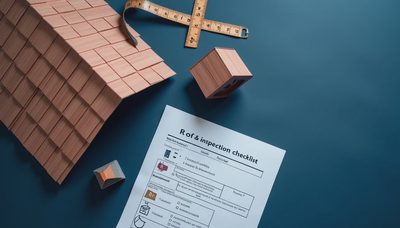
The inspector’s experience matters more than the advertised appointment length. One professional may spend 30 minutes on a roof and document flashing, penetrations, drainage, and installation defects. Another may simply walk the surface and write “appears serviceable.” Those sentences are not financially equivalent.

What makes an inspection take longer
Square footage is only the first variable. A 2,000-square-foot ranch with a simple asphalt roof is easier to inspect than a 2,000-square-foot contemporary home with flat roof sections, concealed gutters, large glass walls, and a basement mechanical room. Complexity creates inspection time because every transition is a potential failure point.
Access is another major factor. Stored boxes can hide foundation walls, the HVAC closet may be packed with builder materials, and a locked gate can eliminate the side-yard drainage inspection. If an attic hatch is sealed, the inspector cannot verify insulation depth, roof framing, ductwork, or signs of moisture. “Not inspected” is not the same as “no problem found.” It means you still own the uncertainty.
Weather also changes the process. Heavy rain can prevent a safe roof walk, while extreme heat can make an attic inspection shorter and less informative. In Central Texas, summer attic temperatures can become punishing. A professional should still document visible conditions, but a buyer may need a follow-up visit when safe access is possible.
How long does a home inspection take when a specialist is involved? A general inspector may spend three hours on the property, followed by separate appointments for a structural engineer, chimney professional, pool inspector, septic specialist, or sewer-scope technician. Those are not redundant services. A general inspection can identify a concern without measuring its full repair cost.
New construction deserves a different clock
The phrase “brand new” causes more expensive mistakes than visible age. A new home has not had a full season of rain, cooling cycles, occupant use, or settlement. Defects can remain hidden because no one has tested the house under normal conditions. That is why I prefer an inspection before drywall when possible, another inspection near completion, and a final verification before closing.
How long does a home inspection take for a pre-drywall review? Often two to four hours, depending on the size and complexity of the framing. The inspector is looking at structural connections, plumbing penetrations, electrical routing, insulation, duct installation, window flashing, and fire blocking before drywall conceals them. This stage is where a $300 correction can prevent a $12,000 demolition project.
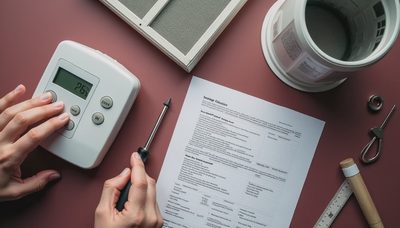
Near completion, the inspection focuses on operation and workmanship. Test every faucet, drain, outlet, switch, garage door, appliance, thermostat, window, door, and exhaust fan. Confirm that water flows at the same time in multiple fixtures. Check that the air-conditioning system reaches the intended zones. A luxury finish does not compensate for a reversed hot-water line or an attic duct disconnected above the ceiling.

How much time should you reserve as the buyer?
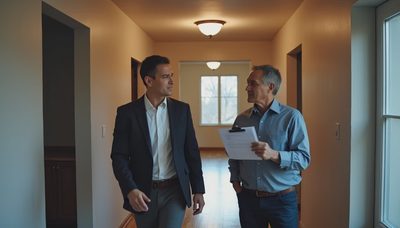
Do not schedule the inspection between a morning meeting and a closing appointment. Reserve at least half a day. Attend the final hour if possible, but do not turn the visit into a guided tour where the inspector answers only cosmetic questions. Ask what was inaccessible, what requires specialist review, and which findings have a dollar consequence within one year.
How long does a home inspection take if you participate? The inspection itself may not become longer, but your understanding improves dramatically. You can see a loose deck connection, a missing plumbing trap, or a roof valley that drains toward the wall instead of away from it. Ask for photographs and plain-English explanations. “Monitor” should include what to monitor, how often, and what repair threshold ends the monitoring period.
A useful report separates safety issues, water management, structural concerns, mechanical failures, and routine maintenance. A cracked piece of trim is not equal to negative grading against the foundation. The report should help you prioritize money, not bury the expensive items on page 47 beneath twenty pages of minor caulk defects.
Turning inspection time into a repair budget
The inspection fee often falls between roughly $400 and $1,000 for a standard home, with luxury properties and specialized services costing more. That fee is cheap compared with one missed drainage problem. Regrading and drainage work can run from $2,000 to $15,000. Roof repairs may range from a few hundred dollars for flashing corrections to $20,000 or more for a complex replacement. HVAC replacement, foundation drainage, and water intrusion can move well beyond those numbers.
How long does a home inspection take is the wrong question when it is used to judge value by minutes alone. Ask whether the inspector identified the conditions that drive repair reserves. A 50-page PDF can still miss a concealed leak. Conversely, a concise report can be excellent if it clearly documents access, testing, evidence, and urgency.
Before signing off, compare the report with the builder’s punch list, warranty exclusions, and your own observations. Photograph every unresolved issue. Get written repair descriptions, not vague promises that someone will “take care of it.” I am an engineer, not your attorney, but from a cost-control standpoint, vague language is not a repair plan.
The practical answer
So, how long does a home inspection take? Budget two to four hours for a typical house, four to six hours for a large or complicated property, and additional time for specialty evaluations or return visits. New construction commonly benefits from multiple inspections rather than one marathon appointment.
The best inspection is not the fastest and not necessarily the longest. It is the one that exposes inaccessible conditions, tests the systems, identifies the likely failure path, and connects each meaningful finding to a realistic repair range. Before closing on a high-value home, do not ask whether anything is wrong. Ask how many dollars you have to spend to fix it, when those dollars are likely to be needed, and whether the builder has actually corrected the cause.

No letters yet — pray write the first.