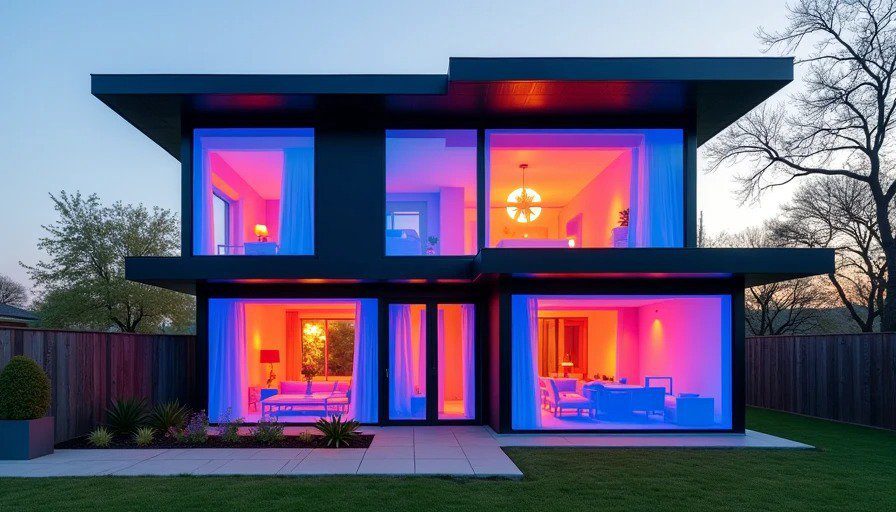
The builder offers “Energy-Efficient Window Upgrade Package – $9,500.” Low-E coatings, argon gas, better frames, triple-pane options in some cases. The sales material promises lower bills and greater comfort. Is it worth the premium over code-minimum windows?
I run these calculations frequently. In Texas, with intense solar gain and cooling demands, windows matter. But builder markups are substantial. Here’s the transparent numbers.
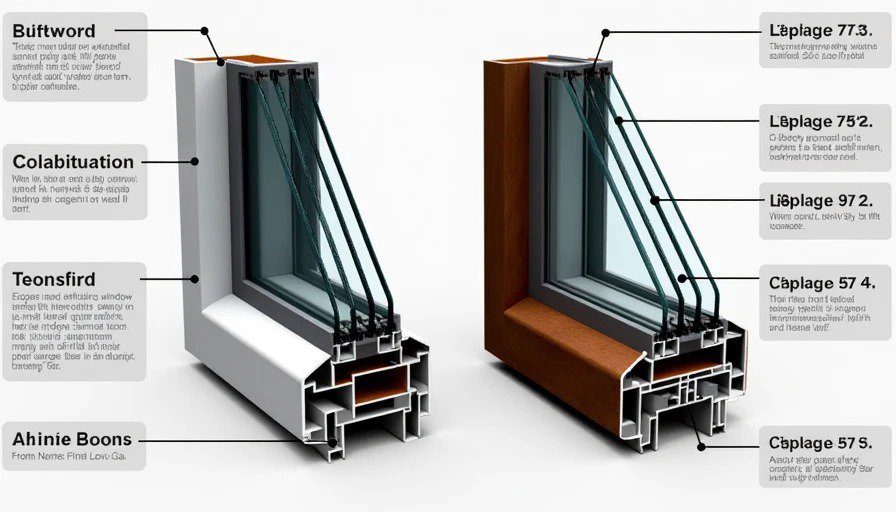
Breaking Down the Upgrade Components
Standard Code Windows
Basic double-pane with standard Low-E in many markets.
Aluminum or vinyl frames with moderate thermal breaks.
SHGC (Solar Heat Gain Coefficient) and U-factor that meet minimum code.
Upgraded Package
Premium Low-E coatings, argon or krypton fill.
Better spacers to reduce edge conduction.
Thicker glass or triple-pane in high-performance lines.
Improved frames with foam-filled or fiberglass construction.
Better installation details like flashing integration.
Builder pricing for the package often includes 30–50%+ markup over their cost. Market pricing for similar upgrades installed can be shopped independently for better value.
Texas-Specific Payback Math
Austin climate: High cooling load, significant temperature swings.
Assumptions for 2,800 sq ft home:
Window area: ~400–600 sq ft typical.
Annual energy bill portion attributable to windows: 15–25%.
Baseline cooling/heating cost with standard windows.
Upgrade improvement: 10–20% reduction in window-related energy loss (realistic for good upgrades).
Projected Savings:
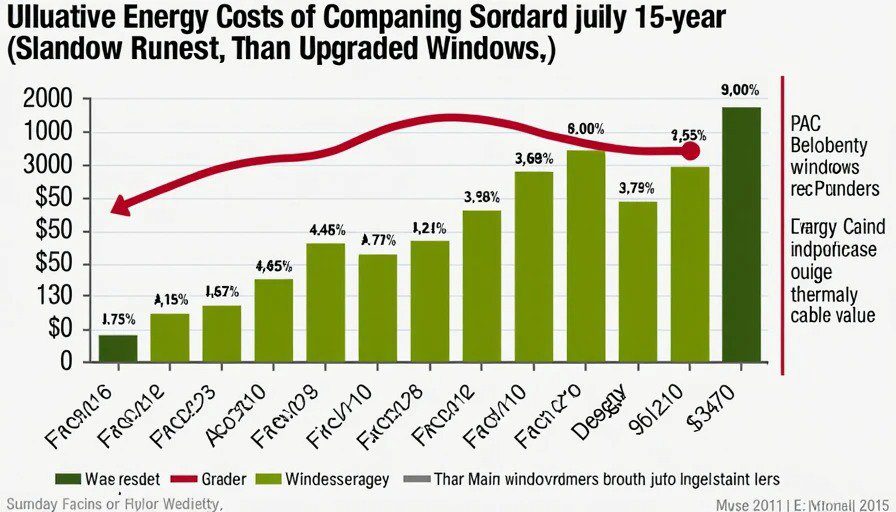
Annual energy savings: $180–$450 depending on home orientation, shading, and exact specs.
Average realistic: $280/year after real-world factors.
Payback Calculation:
$9,500 upgrade cost / $280 annual savings ≈ 34 years simple payback.
With time value, maintenance differences, and potential rate increases: still 20+ years for many scenarios.
The numbers improve if:
Your home has high window-to-wall ratio or west-facing exposure.
You value comfort (reduced hot spots, condensation, noise).
Resale or appraisal benefits from certified efficiency.
Non-Energy Benefits That Matter
Comfort
Reduced drafts, more even temperatures, less solar glare and heat gain. Especially valuable in Texas summers.
Durability and Maintenance
Better frames resist warping and fading. Improved seals last longer, reducing condensation and mold risks.
Noise Reduction
Triple-pane or better laminated glass cuts traffic and outdoor noise significantly.
Resale Appeal
Energy Star or equivalent ratings can support higher valuations and appeal to efficiency-conscious buyers.
These factors often tip the scale more than pure energy payback for long-term owners.
When the Upgrade Makes Sense
High-performance homes with large glass areas.
South or west exposures with limited shading.
Buyers planning to stay 10+ years who prioritize comfort.
When negotiated or shopped independently to reduce the premium.
Alternatives to Full Package:
Upgrade only high-impact windows (west/south facing).
Add exterior shading or interior films as supplements.
Focus on proper installation and flashing regardless of glass type.
Builder Markup Reality
Builders often bundle windows with their preferred suppliers at favorable rates but pass on less of the savings. Independent quotes frequently beat the package price while allowing selection of preferred brands and warranties.
In audits, I recommend verifying exact U-factor, SHGC, and VT (visible transmittance) numbers rather than accepting marketing labels.
The Worth It Verdict
For most standard new builds in Texas, the full $9,500 window upgrade package has a long payback on energy alone. Targeted upgrades or independent purchasing often deliver better value. Comfort and durability benefits can justify the investment for many families, but run your specific numbers based on orientation and usage.
Windows are a big-ticket item where shopping around and negotiating pays off. Don’t pay builder markup without comparing real performance data and market pricing.
The efficient window upgrade can be worth it — but only when the math, not the marketing, supports the decision. Calculate your specific scenario. The ledger will guide you clearly.


No letters yet — pray write the first.