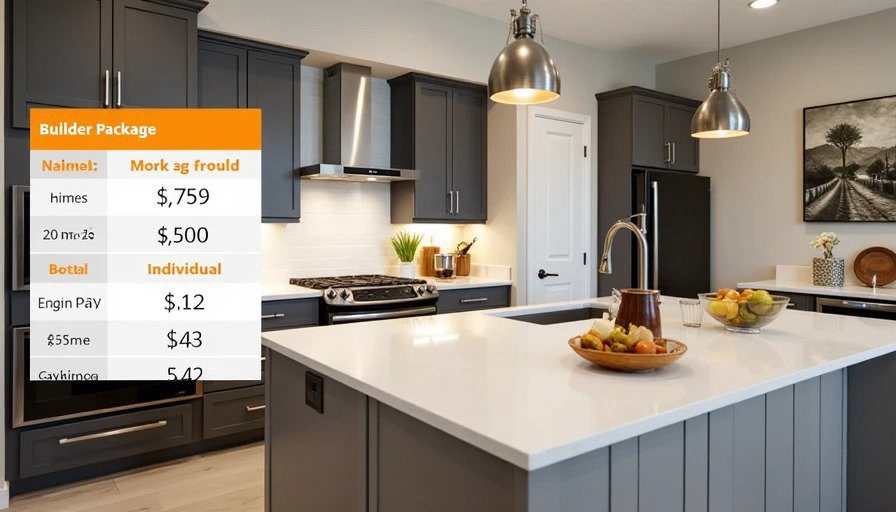
The options sheet lists “Premium Kitchen Appliance Package – $12,000 upgrade.” It includes refrigerator, range, dishwasher, microwave, and hood. The salesman highlights the “coordinated look” and “builder warranty convenience.” Many buyers check the box without shopping the numbers. That decision often costs thousands upfront and more over time.
I price these packages regularly in my audits. Breaking them down piece by piece reveals the builder margin and performance gaps. Here’s the transparent ledger on a typical $12,000 kitchen appliance upgrade.
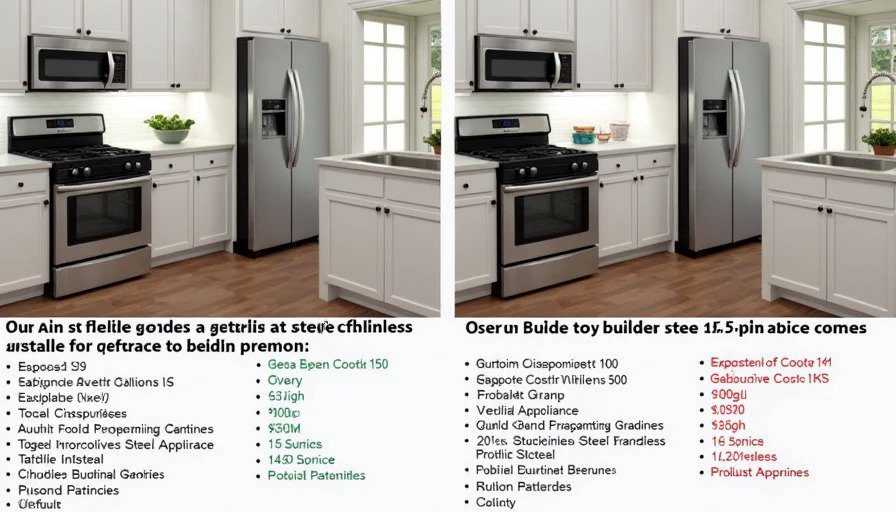
Breaking Down the $12,000 Package
Typical builder package components and my market pricing (Austin 2026 rates):
Refrigerator
Builder: 36" French door, basic model (~$2,800 allowance value)
Market equivalent with better compressor, filtration, and quiet operation: $3,800–$4,800
Gap: Often $1,000–$2,000 under-specced
Range / Cooktop + Oven
Builder: 30" gas or electric, standard features (~$3,200)
Quality 36" or dual-fuel with better burners, convection, and durability: $4,500–$6,500
Gap: Significant performance difference in daily cooking
Dishwasher
Builder: Basic quiet model (~$1,100)
Premium with better drying, cycles, and longevity: $1,800–$2,600
Gap: Noticeable in noise and cleaning effectiveness
Microwave + Hood
Builder combo: $1,200–$1,500
Better ventilation and appliance match: $2,000–$2,800
Gap: Ventilation capacity often inadequate for serious cooks
Total Builder Package: $12,000
Realistic Market Cost for Better Equivalents: $13,500–$18,000 (but with superior performance and warranties)
The builder markup plus coordination fee makes the package seem like a deal until you compare specifications side by side.
Long-Term Ownership Math
Energy Efficiency
Builder-grade appliances often have higher energy consumption. A premium fridge alone can save $80–$150/year. Over 7–10 years, that compounds.
Reliability and Repair Costs
Cheaper compressors and components fail sooner. Builder packages frequently use brands with average reliability ratings. Better models extend service life and reduce service calls ($400–$800 per major repair).
Resale Value
Buyers and appraisers notice appliance quality. Upgrading to recognizable premium brands can add measurable appeal when selling.
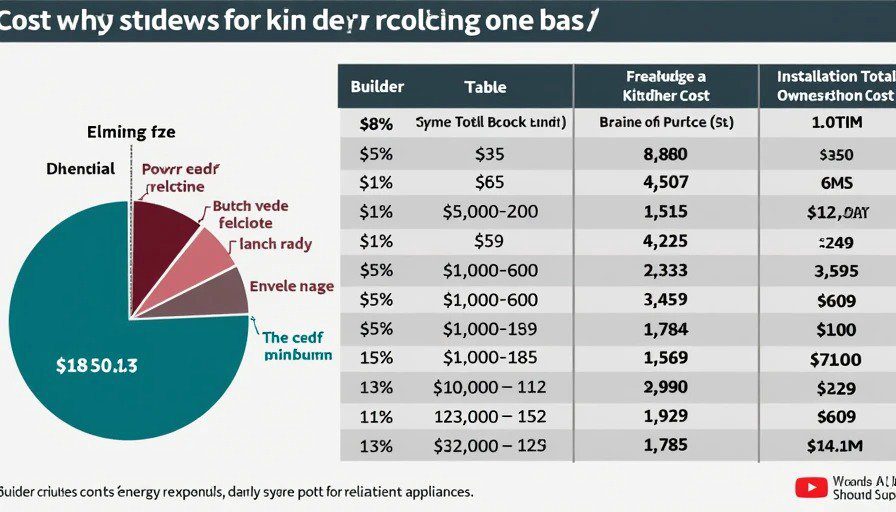
Total 7-Year Cost Projection
Builder Package Route: $12,000 upfront + $2,800 energy/repairs = ~$14,800
Strategic Individual Purchase: $15,500 upfront + $1,200 energy/repairs = ~$16,700 (but better daily experience and potential resale boost)
The math favors targeted upgrades on high-use items (fridge, range, dishwasher) rather than accepting the full builder bundle.
When the Package Might Make Sense
Tight timelines where coordination is valuable.
Buyers who want simplicity and matching aesthetics without shopping.
Specific builder incentives that genuinely reduce the effective price.
Even then, I recommend verifying model numbers and researching independent reviews before committing.
Negotiation and Alternative Strategies
Decline the Package: Take the base allowance and shop independently. Many clients save money and get better products.
Negotiate the Package: Push for specific better models within the builder’s ecosystem.
Mix and Match: Accept some builder items and upgrade others (e.g., keep basic microwave, upgrade range and fridge).
Timing: Purchase during sales or with manufacturer rebates post-closing.
In multiple audits, clients who opted out of the full package and curated their selections saved $3,000–$7,000 while getting superior performance.
The Broader Upgrade Lesson
Kitchen appliances are highly visible but their long-term cost is hidden in energy bills and repair frequency. Builder packages optimize for their margin and installation simplicity, not necessarily your decade of use.
Always price out major options individually. The “convenience” of the package rarely justifies the premium once you run the full ownership numbers. Sarah’s math checks confirm this pattern across categories — visible upgrades often carry the highest markups.
Your new kitchen should work for you, not just look good on closing day. Break down the package. Compare specifications. Buy what actually delivers value in daily life and over time.
The $12,000 option might be worth it if the models are strong. More often, it’s an opportunity to take control and make better choices with the same or less money.
Run the piece-by-piece numbers. Your future self — and your wallet — will appreciate the effort.


No letters yet — pray write the first.