A roof inspection on a new $1.2 million home can uncover defects that cost $8,000 to $40,000 to correct. New construction is not a magic spell that makes water, gravity, flashing, or rushed subcontractors behave. I have walked roofs where the shingles looked perfect from the driveway and the underlayment, penetrations, and drainage details were already writing checks the homeowner would cash later.
The standard inspection report might say “minor installation concern” and attach a photograph of a vent boot. That phrase is builder dialect for “someone needs to open the roof before the next storm.” Do not ask whether anything is wrong. Ask how many dollars you have to spend to fix it, who is responsible, and whether the defect will damage finished interiors before warranty staff responds.
Why New Construction Still Needs a Roof Inspection
Builders work from plans, but roofs are assembled by crews working around deliveries, weather, framing changes, and the Friday afternoon deadline. A roof inspection tests the installed work against basic water-management principles, not the optimism of a closing schedule.
Start with the roof geometry. Valleys, low-slope transitions, wall intersections, chimneys, skylights, and plumbing penetrations are the expensive zones. A simple gable roof may have fewer failure points than a complicated luxury design with multiple dormers and decorative parapets. More edges and penetrations mean more opportunities for water to bypass a seal.
From the ground, look for lifted shingles, uneven courses, exposed fasteners, damaged drip edge, and gutter sections that sag away from the fascia. Those observations do not prove a leak, but they identify where the inspection should slow down. A $300 repair completed before closing is very different from a $12,000 interior remediation after insulation, drywall, millwork, and paint have been damaged.
The inspection should also include the attic when safely accessible. Dark staining, compressed insulation, daylight around penetrations, rusted nail tips, and disconnected bath-fan ducts are not cosmetic details. A bath fan terminating in the attic can add moisture where it should not be, encouraging mold and deteriorating roof sheathing. Correcting the duct route may cost $500 to $1,500; replacing wet sheathing and finished ceiling areas can push beyond $10,000.
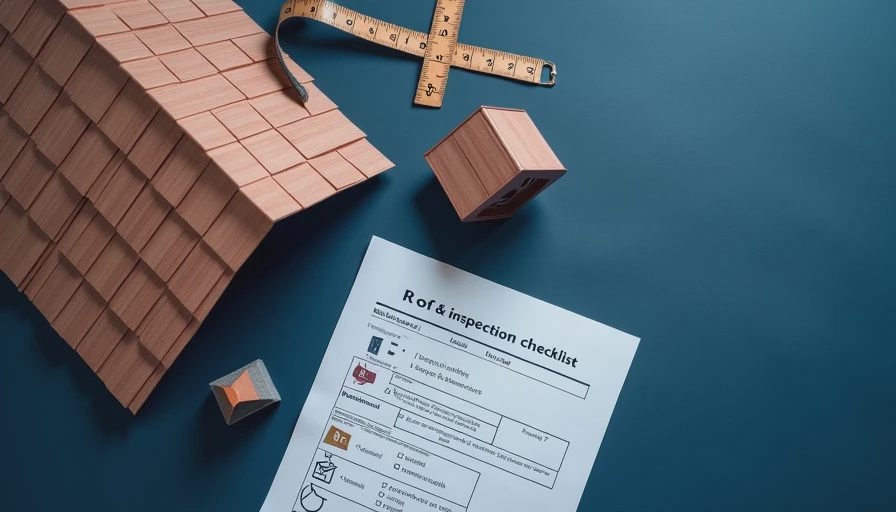
The Five Roof Details That Create Large Bills
Flashing is first. Flashing directs water around walls, chimneys, valleys, and roof-to-wall intersections. Missing step flashing or improperly installed counterflashing can let water travel behind siding for months before a stain appears. Budget roughly $1,500 to $6,000 for localized flashing correction, and substantially more if sheathing, insulation, or interior finishes are involved.
Ventilation is next. Intake vents at the eaves need a functioning path to exhaust vents or properly designed ridge ventilation. Blocking that path with insulation can trap heat and moisture. In hot regions such as Austin, poor ventilation can accelerate shingle aging and increase attic temperatures. Corrective work might be $1,000 to $4,000, but a premature roof replacement is a much larger conversation.
Penetrations deserve their own paragraph because every pipe, vent, satellite mount, and electrical mast is a hole in a water-shedding surface. Look for cracked boots, sealant smeared over incorrect installation, or fasteners driven where they can collect water. A roof inspection should document each penetration, not merely photograph the overall roof.
Drainage is the fourth issue. Gutters that discharge beside the foundation, downspouts that stop on a walkway, and valley water that pours onto lower roof sections can create problems far beyond the shingles. Extending a downspout may cost $150 to $400. Correcting a poor drainage design with larger gutters, splash blocks, or grading changes can reach several thousand dollars.
The fifth is installation damage. Roofing crews can tear underlayment, overdrive fasteners, crack tiles, or leave debris beneath shingles. These defects are often invisible from the yard. The point of a roof inspection is not to admire the color of the roof; it is to find the work that will fail when wind and rain stop being polite.
What a Useful Roof Inspection Report Should Contain
A useful report connects a photograph to a location, defect, consequence, recommended correction, and cost range. “Seal roof penetration” is not enough. I want to know which penetration, what material is failing, whether the surrounding underlayment is intact, and whether the roofer must remove one course of shingles or half the slope.
Ask for roof-slope descriptions such as “north rear low-slope transition” rather than vague labels such as “roof area.” Request attic photographs where access permits. Ask whether the inspector walked the roof, used a drone, or observed it from the ground. Each method has limits. A drone can document broad conditions, but it cannot confirm loose flashing or feel soft sheathing. Walking a roof can reveal more, but safety and roof material restrictions matter.
For a high-value purchase, a roof inspection should be paired with a repair reserve. A small correction list might total $2,000 to $5,000. A roof with repeated flashing failures, wet sheathing, and poor drainage can justify a reserve of $15,000 to $30,000 until contractors open the affected areas. That is not alarmism; it is the difference between pricing visible work and pretending hidden work does not exist.
Builder language also requires translation. “Monitor the area” means no corrective action has been priced. “Sealant is standard” may mean a sealant bead is being used where metal flashing should be directing water. “The roof is under warranty” does not tell you how quickly a leak will be handled or whether interior damage is included. Warranty paperwork can be useful, but it is not a substitute for documenting defects before closing.
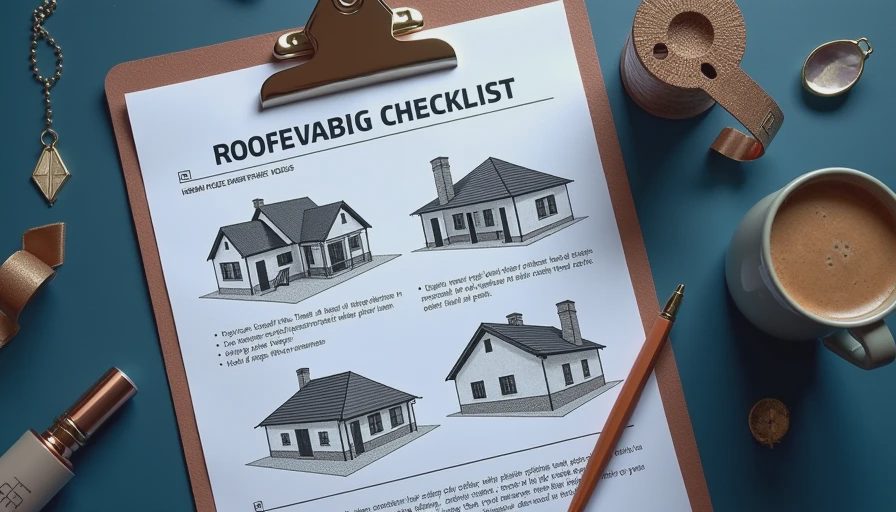
How to Use Findings Before Closing
Schedule the roof inspection after the roof is substantially complete but before the final walkthrough. If the roof is inspected too early, later trades can damage it. If it is inspected after furniture, rugs, and electronics arrive, water evidence becomes expensive to investigate and disruptive to repair.
Give the builder a written correction schedule with photographs and cost ranges. Separate immediate water-intrusion risks from maintenance items. A missing kick-out flashing detail belongs in the first group. A slightly uneven shingle line may be a workmanship issue, but it does not carry the same urgency as exposed underlayment at a valley.
Bring the report to the final walkthrough and photograph completed repairs. If a roofer applies sealant, photograph the location before and after. If shingles are replaced, verify that the repair does not create a new mismatched or improperly fastened area. Your goal is a record, not a handshake and a cheerful sentence about the superintendent’s experience.
For a $1 million-plus home, spending $700 to $1,500 on an independent roof inspection is inexpensive compared with a $20,000 ceiling, insulation, and flooring repair. The inspector’s fee is not the cost; the cost is the defect you fail to price.
The Bottom Line for Luxury New-Home Buyers
A roof inspection is a financial control, not a ceremonial checkbox. It identifies where water can enter, where installation shortcuts exist, and whether the builder’s repair response matches the actual exposure. The strongest report tells you which defects require correction now, which can be monitored, and which deserve a realistic reserve.
I have seen buyers spend more time comparing refrigerator brands than investigating roof transitions over finished plaster ceilings. That is backwards. A refrigerator can be replaced with a delivery truck and a credit card. A concealed roof leak can involve demolition, drying equipment, microbial treatment, rebuilt insulation, and weeks of disruption.
Get the roof inspection before you sign off, demand specific documentation, and attach dollars to every finding. “New” describes the age of the house. It does not certify the quality of the roof.





No letters yet — pray write the first.