New construction upgrade costs can turn a supposedly finished $1.2 million home into a $1.35 million home before the moving truck arrives. The builder's base price is usually the clean number on the brochure. Your actual house is the base price plus flooring changes, electrical work, better windows, appliance packages, exterior drainage, and the small army of allowances that looked harmless during the design meeting.
I have watched buyers spend $40,000 on decorative fixtures while missing a $22,000 drainage problem. That is not a luxury preference. It is a budgeting failure. Don't ask whether an upgrade is attractive. Ask what it costs, what it replaces, and whether it prevents a larger bill later.
Start with the base house, not the showroom
A model home is a sales tool wearing drywall. Its wide-plank oak flooring, oversized island, designer lighting, built-in refrigerator, upgraded trim, and elaborate shower enclosure can make the standard specification feel like an unfinished rental. The difference is intentional.
Before discussing new construction upgrade costs, obtain the complete standard-inclusions list. It should identify flooring by material and grade, cabinet construction, countertop thickness, plumbing fixtures, insulation levels, window specifications, HVAC equipment, garage finishes, landscaping, irrigation, and appliance models. “Luxury vinyl plank” is not a complete description. A $3-per-square-foot product and an $8 product can both receive that label.
Create three columns in a spreadsheet: included, desired, and necessary. Necessary means the change is difficult or expensive to complete after closing. A conduit run for future solar panels belongs in that column. A different cabinet color does not. Sarah would attack this list with her red pen, and she would be right. If an item cannot be priced separately, it does not belong in the budget yet.
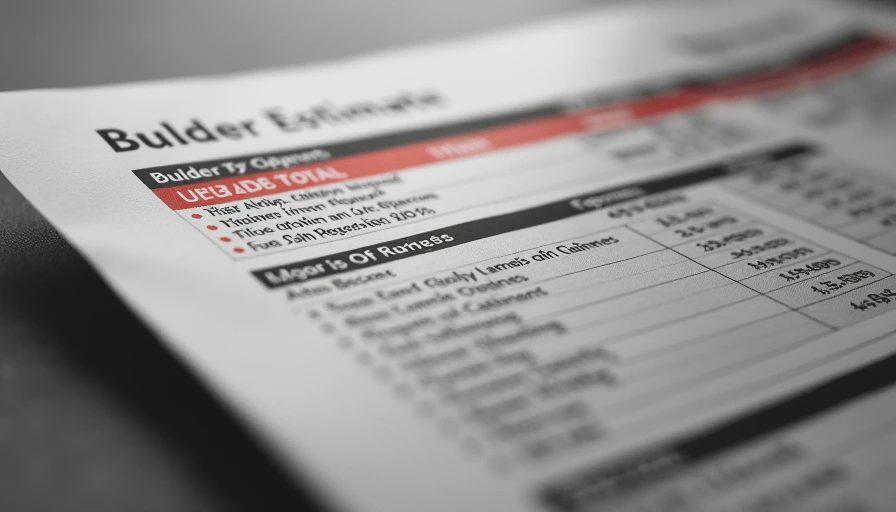
The upgrades that become expensive after closing
Some new construction upgrade costs are inflated because the builder controls access, labor, scheduling, and warranty coordination. Others are expensive because opening a finished wall is genuinely destructive. Learn the difference before signing a design-center selection sheet.
Electrical changes are a classic example. Adding an outlet during framing might cost $150 to $350. Adding that same outlet after drywall can cost $500 to $1,200 once a contractor patches, textures, primes, and paints the wall. A dedicated 240-volt circuit for an electric vehicle charger often falls in the $800 to $2,000 range during construction, compared with $2,000 to $4,500 later, depending on panel capacity and trenching.
Prewire is usually cheaper than retrofit. Structured data cable, security wiring, ceiling-speaker cable, exterior camera locations, and motorized-shade wiring may total $2,500 to $8,000 in a large custom home. Wireless devices are convenient, but they do not eliminate dead zones, battery replacement, or future access problems. Empty conduit to the attic, roof, garage, and media locations is inexpensive insurance.
Plumbing rough-ins deserve the same treatment. A second-floor laundry drain, pot filler, utility sink, outdoor kitchen stub, or whole-house water-treatment loop can be modest during framing and invasive later. The correct question is not “Do I need it today?” It is “Would I pay three times as much to add it after the cabinets and tile are installed?”
Where the price is often hardest to judge
Flooring is where buyers routinely confuse a material upgrade with a complete installation price. A builder may quote a $6,000 flooring allowance, then charge removal, transitions, leveling, baseboard changes, stair nosings, and waste separately. A selection that appears to cost $12 per square foot can become $20 per square foot after those components are added.
Cabinet upgrades have similar traps. Ask whether the price includes soft-close hardware, finished ends, crown molding, trash pullouts, drawer banks, refrigerator panels, and paint-grade fillers. A beautiful island can become a $15,000 change order when the original plan included only basic doors and a laminate top. Get the elevation drawings, not just the color board.
Windows and doors require engineering questions, not showroom enthusiasm. Better glass can improve comfort and solar control, but the quote should identify the glazing package, frame type, operation, screens, hardware, and installation changes. A large slider may require a different header or structural opening. That is a real cost, not a decorative line item.
New construction upgrade costs also hide inside allowances. If the allowance is $8,000 and your selected fixtures total $13,000, the visible difference is $5,000. The final invoice can be higher after freight, tax, installation labor, trim changes, and disposal. Treat every allowance as unfinished accounting.
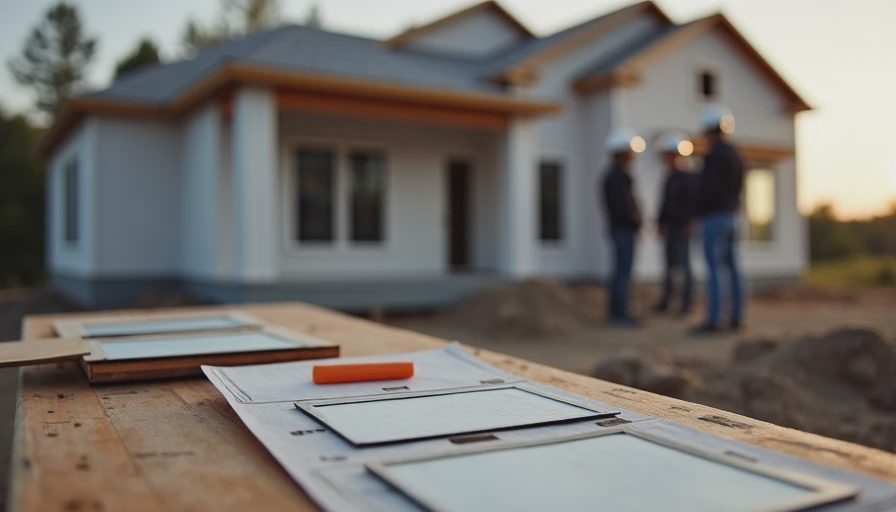
A practical audit for a seven-figure build
Use this sequence before approving selections:
- Request the base specification and every allowance in writing.
- Mark each option as cosmetic, functional, maintenance-related, or difficult to retrofit.
- Require quantity, unit price, labor, tax, and credit for deleted standard items.
- Compare the builder price with two independent retail or contractor estimates.
- Ask what happens if the selected product is discontinued, delayed, or damaged.
- Photograph samples and save model numbers before the selection meeting ends.
- Add a contingency of at least 10% for selections and owner-requested changes.
That contingency is not permission to spend casually. It covers the arithmetic that gets missed: a larger sink requires a different cabinet, which requires a different countertop cut, which changes the plumbing, which delays the backsplash. Construction is a chain. Pull one link and the spreadsheet grows teeth.
For a $100,000 upgrade package, a 10% reserve means $10,000. On a heavily customized home, a $20,000 to $40,000 reserve is more realistic than pretending every decision will land exactly on the first quote. The purpose is control, not pessimism.
What deserves money before the closing table
The best upgrades are usually the ones that protect access, durability, comfort, or future repairability. Spend first on proper grading and drainage, roof and wall flashing details, insulation continuity, HVAC zoning, electrical capacity, attic access, waterproofing, and service clearances. These items are not exciting in a showroom. Neither is a fire extinguisher, until the day it matters.
In hot Texas construction, better attic insulation, duct sealing, and properly sized HVAC equipment can matter more than a $9,000 decorative ceiling package. In a cold climate, air sealing, window performance, and frost-protected plumbing deserve closer attention. The exact priorities depend on the site and climate, but the principle is stable: fund the systems you cannot inspect easily after finishes cover them.
A $3,000 to $7,000 investment in additional outlets, dedicated circuits, and accessible shutoffs can save far more than an expensive faucet package. A $2,000 documentation and testing allowance for air leakage, duct performance, moisture, or infrared review can expose defects while the builder still has open access. That is cost control, not overkill.
How to read the final number
New construction upgrade costs should be reviewed as a total installed system, not a menu of attractive fragments. A $4,000 appliance upgrade may require a larger electrical circuit, cabinet modification, gas line, ventilation change, or panel adjustment. A $7,500 outdoor kitchen allowance may exclude the concrete pad, gas connection, stone cladding, lighting, and drainage. Ask for the complete installed scope.
Before closing, reconcile the original selections against the latest change-order log. Confirm credits for deleted items, verify that paid upgrades are physically present, and inspect model numbers on appliances and equipment. If the invoice says “premium plumbing package,” that is not enough. Record the actual fixtures, valves, finishes, and warranties.
The builder's number is not automatically wrong. It is simply the number that needs an audit. The most useful question is still the blunt one: how many dollars will this choice cost today, and how many dollars will it cost if postponed? New construction upgrade costs become manageable when every answer has a line item, a scope, and a reason.




No letters yet — pray write the first.