New construction inspection cost typically falls between $400 and $1,500, depending on the home's size, location, inspection stages, and the specialist skills involved. That is the small number. The larger number is what a missed drainage problem, undersized beam, or failed waterproofing detail can cost after closing. A shiny kitchen and unused appliances do not prove the house was built correctly. They prove the house is new.
For a $1 million home, a thorough inspection is not an expensive precaution. It is a cost-control exercise. I have seen buyers argue over a $700 inspection fee while standing inside a property with six-figure exposure hidden behind fresh drywall. Sarah, my resident spreadsheet editor, would circle that decision in red ink. She would be right.
What new construction inspection cost includes
A basic inspection of a new single-family home often costs $400 to $800. A larger luxury property, complicated foundation, steep roof, detached structures, or remote location can push the price to $900 or more. A premium inspection company may charge $1,200 to $1,500 for a detailed report with thermal imaging, moisture readings, roof access, and extensive documentation.
That fee usually covers the visible structure and systems: grading, foundation, framing where accessible, roofing, exterior cladding, plumbing, electrical, heating, cooling, insulation, ventilation, windows, doors, and interior finishes. It does not automatically include destructive testing, engineering calculations, sewer camera work, mold sampling, or a full energy audit. Those services are separate because they require different equipment and expertise.
The cheapest quote is often a limited visual review. That can be appropriate for a small production home, but luxury construction deserves more scrutiny. A $450 report that misses a $25,000 drainage correction is not a bargain. It is a receipt for false confidence.
Why one inspection is not enough
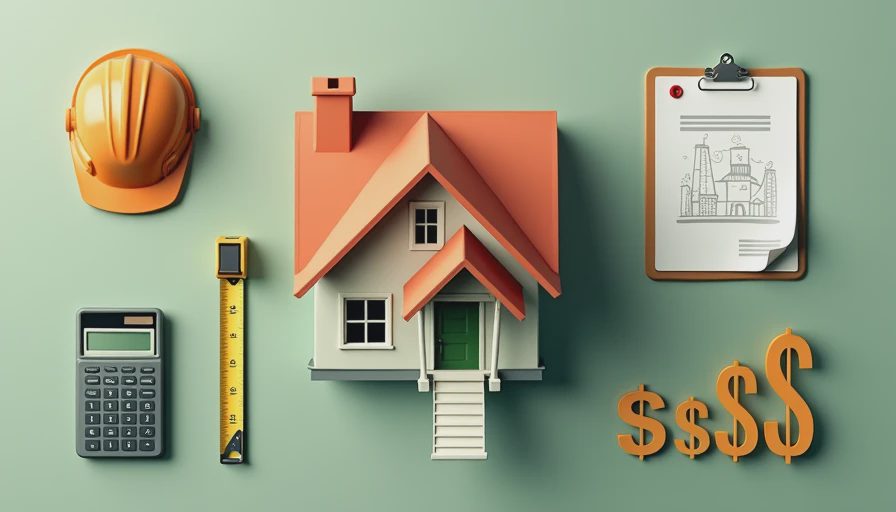
New construction inspection cost makes more sense when you divide the process into stages. A pre-drywall inspection, usually $300 to $600, examines framing, plumbing lines, electrical runs, ductwork, window installation, flashing, and insulation before walls hide the work. This is often the highest-value visit because the inspector can see mistakes without cutting open finished surfaces.
A final inspection before closing commonly costs another $400 to $900. It checks completed systems, finish quality, grading, appliances, attic access, safety devices, and visible defects. A warranty inspection near the end of the first year may cost $350 to $750 and can identify settlement cracks, failed caulk joints, leaking fixtures, HVAC performance problems, and doors that no longer close properly.
For a $1.2 million custom home, I would rather see a buyer spend roughly $1,500 to $2,500 across multiple visits than rely on one $500 walkthrough. That is still a fraction of one serious repair. Inspection timing matters because a defect that costs $800 to correct while exposed can cost $8,000 after cabinets, tile, and drywall are installed.
The expensive defects hiding in new homes
The phrase “new construction” often causes buyers to lower their guard. New homes have new defects, and some are expensive precisely because multiple trades have covered the evidence. A foundation elevation problem can create drainage and flooring issues that cost $10,000 to $40,000 to address, depending on access and severity.
Roofing and flashing defects can produce interior water damage before anyone sees a ceiling stain. Correcting a localized flashing problem might cost $1,500 to $5,000. Removing wet insulation, repairing framing, replacing drywall, repainting, and treating concealed damage can push the total above $15,000.
HVAC problems also deserve dollar-focused attention. Poor duct connections, inadequate returns, missing insulation, and improper condensate drainage can create comfort and moisture problems. Repairs may range from $500 for sealing and balancing to $12,000 or more for major ductwork changes. Electrical corrections can be smaller individually but still add up: missing GFCI protection, loose connections, mislabeled panels, and overloaded circuits can create a $2,000 to $8,000 correction package.
What a serious inspection report should show
A useful report does not merely say “monitor” or “repair as needed.” It identifies the location, condition, likely consequence, recommended action, and a realistic cost range. “Minor grading issue” is not enough. The report should explain whether water flows toward the foundation, how much regrading may be required, and whether buried drainage is involved.
For each material defect, ask for photographs with a visible reference point, not a mysterious close-up of dirt. Ask whether the item is accessible, whether testing was performed, and whether another professional is needed. An inspector should not pretend to be a structural engineer, electrician, roofer, or geotechnical specialist. The honest answer is sometimes, “This needs a separate evaluation.” That answer is more useful than confident guessing.
Cost ranges should also distinguish repair from replacement. A cracked tile may cost $300 to replace. A recurring crack caused by slab movement may require flooring removal, structural review, and a much larger reserve. The report should help you build that reserve before you sign, not after the builder’s warranty department has closed the file.
How to compare inspection quotes without getting fooled
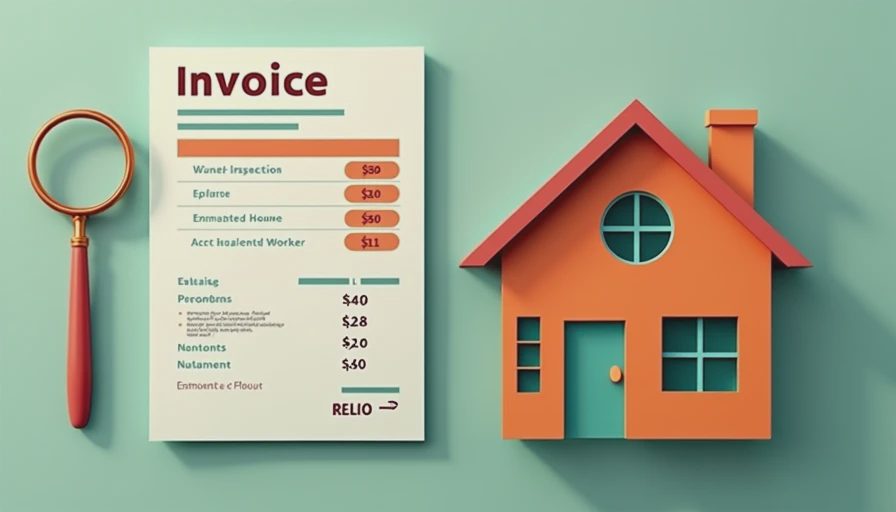
When comparing new construction inspection cost, compare the scope line by line. One inspector may include a thermal camera, attic inspection, detached garage, pool equipment, and irrigation review. Another may charge extra for every item. A low headline price can become the expensive quote after add-ons.
Ask how long the inspection will take, who performs it, whether the inspector walks the roof, and how quickly the report arrives. Ask whether the company returns for a verification visit after repairs. A two-hour inspection on a 6,000-square-foot home deserves an explanation. A careful inspection often takes several hours because every system has to be operated, accessed, and photographed.
Also ask for a sample report. You want defect descriptions that explain consequences and priorities, not fifty pages of generic maintenance advice. A report that lists a loose handrail beside a possible foundation drainage failure without ranking either issue has not done the cost-forensic work.
A practical budget for your inspection plan
For a typical new home under 3,000 square feet, a reasonable inspection budget is $800 to $1,500 if you schedule pre-drywall and final visits. For a larger custom home, plan on $1,500 to $3,000 when you add a warranty inspection and targeted specialists. A structural engineer may charge $500 to $2,000 for a focused evaluation. Sewer camera work can run roughly $250 to $600, while specialized moisture or energy testing can add several hundred dollars.
The correct question is not whether new construction inspection cost feels high. The correct question is whether the inspection can expose a repair reserve larger than its fee. If the answer is yes, the expense is doing its job.
Before closing, turn the report into a written punch list with photographs, responsible trades, completion dates, and verification requirements. Do not accept “fixed” as a technical description. Confirm that the leak stopped, the outlet works, the grading directs water away, and the door closes without a shoulder-check. Ranger can do that last test, but I would still use a level.
The bottom line for buyers
New construction inspection cost is usually measured in hundreds or a few thousand dollars. The defects it uncovers are measured in thousands or tens of thousands. That imbalance is the entire point of the exercise.
Book the pre-drywall inspection when the work is visible, the final inspection before closing, and a warranty inspection before the builder’s service window becomes a memory. Demand specific findings, realistic repair ranges, and verification of completed work. Do not ask whether anything is wrong with the house. Ask how many dollars you have to spend to fix what is wrong, who should pay for it, and whether the evidence supports the number.
A new home is not automatically a sound home. It is simply a home whose mistakes have had less time to announce themselves.



No letters yet — pray write the first.