A $1.2 million new home can require another $75,000 to $150,000 before it feels finished, reliable, and properly documented. The hidden costs of new construction are rarely one dramatic defect. They are the $9,000 drainage correction, the $18,000 window package the allowance did not cover, and the $27,000 retaining wall that somehow became the owner's problem. New does not mean complete, and it certainly does not mean risk-free.
I have priced enough construction mistakes to know that a standard walkthrough is only the opening act. An inspector can identify a missing outlet cover. A cost-focused review asks what the defect will cost to correct, who is likely to resist paying, and whether the repair reserve is remotely realistic. Don't ask whether something is wrong with the house. Ask how many dollars you have to spend to fix it.
Site work is where the budget quietly escapes
The first category of hidden costs of new construction is the ground beneath the house. Builders price the structure people can photograph. Buyers pay for the excavation, soil correction, drainage, utility extensions, and grading that become expensive when assumptions fail.
A sloped lot can require $15,000 to $60,000 in retaining walls, engineered fill, or export of unsuitable soil. In parts of Texas, expansive clay can create movement concerns that demand deeper foundations, moisture control, or future drainage work. A site that looks tidy after sod is installed can still direct stormwater toward the foundation.
Look for swales that terminate at fences, downspouts that discharge beside the slab, and soil that has settled around utility trenches. Regrading a small area might cost $3,000 to $8,000. Correcting a failed drainage system with surface drains, piping, and landscape demolition can exceed $20,000. If a basement or crawlspace shows dampness, do not accept “some moisture is normal” as a budget. Water management can run from $8,000 for exterior corrections to more than $30,000 when excavation and structural remediation are involved.
Allowances are not the price of a finished home
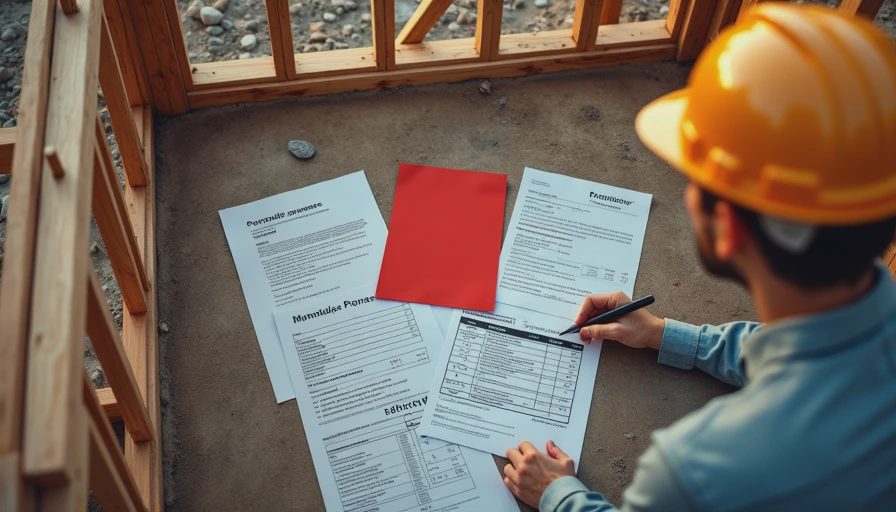
The sales price often includes attractive finishes in a model home, while the contract contains allowances for the actual buyer. That gap is one of the most predictable hidden costs of new construction.
A $7,500 flooring allowance sounds generous until a 4,000-square-foot home needs hardwood, tile, stair treads, transitions, and installation. A realistic upgrade can add $15,000 to $35,000. Cabinet hardware, lighting, mirrors, shower glass, appliance packages, and window treatments create similar leaks. A builder allowance might cover a basic appliance range, while the functioning kitchen you expect requires another $12,000 for a refrigerator, vent hood, wall ovens, and installation.
Price each selection before signing, not after the framing crew is waiting. Ask for quantities, unit prices, installation labor, delivery, tax, and the builder’s markup. The $4,000 faucet is not the only number. The related valve, trim, backsplash adjustment, and labor change can turn it into a $6,500 decision. Sarah, who teaches math and treats spreadsheets like a blood sport, would circle every allowance that lacks a quantity or installation line.
Mechanical systems create expensive “minor” defects
Heating, cooling, plumbing, and electrical systems are not glamorous during a walkthrough, but they produce some of the largest hidden costs of new construction. A poorly balanced HVAC system can leave a second-floor bedroom four degrees warmer than the living room. The first fix may be $500 in balancing and controls. If the ductwork is undersized or inaccessible, correction can reach $8,000 to $20,000.
Test every faucet at the same time. Run showers while flushing toilets. Check hot-water delivery at distant fixtures and inspect accessible piping for leaks. A recirculation problem may mean a few hundred dollars; a concealed leak behind finished tile can mean $10,000 to $25,000 after demolition, drying, and replacement.
Electrical capacity matters in luxury homes. Induction ranges, pool equipment, electric vehicles, detached garages, and backup batteries can overwhelm an undersized service plan. Upgrading a panel may cost $3,000 to $8,000. Extending a new electrical service, trenching the yard, and coordinating utility work can push the total beyond $15,000. “The panel passed inspection” does not answer whether it serves your actual load.
The envelope is your five-year repair reserve
The building envelope includes the roof, windows, exterior walls, flashing, balconies, and the transitions where water finds opportunities. These areas are responsible for hidden costs of new construction because defects can remain invisible until weather exposes them.
Inspect window sills for inconsistent slopes, missing sealant, cracked corners, and staining below head flashing. Look behind hose bibs and at balcony doors. A failed sealant joint might cost $800 to repair during warranty work. Widespread flashing failures can require siding removal, sheathing replacement, interior drywall repairs, and repainting. A reasonable reserve is $10,000 to $30,000 for a large home with numerous penetrations; complicated balcony or stucco repairs can go higher.
Roof access matters. Photograph penetrations around chimneys, vents, skylights, and mechanical equipment. Missing counterflashing is not cosmetic. It is a future leak with a schedule attached. A localized repair may be $1,500. Replacing a steep, high-end roof after repeated water intrusion can cost $25,000 to $60,000, especially when insulation and interior finishes are damaged.
Closeout and warranty gaps have a dollar value
A builder warranty is useful, but it is not a magic eraser. Warranty departments often separate cosmetic punch-list work from consequential damage, and documentation determines what gets attention. Photograph defects with a ruler, identify the room and elevation, and record dates. Keep the original inspection, product manuals, drainage photographs, and every service ticket in one folder.
The hidden costs of new construction often appear during closeout: missing attic insulation, incomplete caulking, unsealed penetrations, damaged flooring, and landscaping installed before final grading. Replacing wet insulation may cost $2,000 to $6,000. Correcting a poorly sealed shower can cost $5,000 to $15,000 if tile must be removed. A cracked driveway section may be $2,000, while a larger replacement involving base failure can reach $12,000.
Do not confuse a builder’s punch list with a cost audit. A punch list says what needs attention. A cost audit estimates the consequence if attention never arrives.
A practical reserve for a high-value new home
For a $1 million-plus property, I would not arrive at closing with a zero-dollar repair reserve. A modest new build with clean documentation might justify $25,000 to $40,000 in immediately available funds. A large custom home on a difficult lot may warrant $75,000 to $150,000, depending on drainage, finishes, mechanical complexity, and inspection findings.
Use this sequence before committing:
- Obtain the full plans, selections, allowances, grading plan, and equipment schedules.
- Hire an independent inspector before drywall and again before closing.
- Add a structural review when the site is sloped, filled, or visibly moving.
- Price every material defect with local labor and demolition included.
- Test the home under realistic conditions: multiple fixtures, HVAC zones, appliances, and exterior drainage.
- Separate builder warranty items from repairs you may have to fund yourself.
- Hold a reserve based on evidence, not the comforting word “new.”
The hidden costs of new construction are manageable when they are identified early, measured honestly, and placed on a spreadsheet before the closing table. The expensive mistake is not finding a defect. It is accepting a vague description when the correct response is a dollar range, a repair method, and a deadline.





No letters yet — pray write the first.