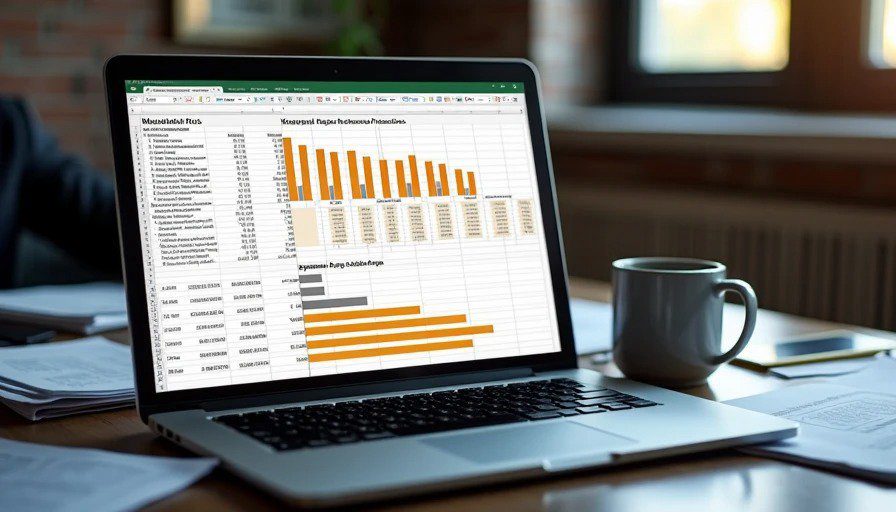
Buyers often ask, “What’s the maintenance like on a new home?” The builder says “minimal for years.” The warranty packet looks comprehensive. Reality hits when the first major repair invoice arrives.
I build a 5-year repair reserve model for every audit. It’s not guesswork — it’s data-driven forecasting based on actual site observations, local material and labor costs, Texas soil and climate factors, and my years of estimating experience. Builders don’t like these spreadsheets because they replace marketing optimism with engineering reality.
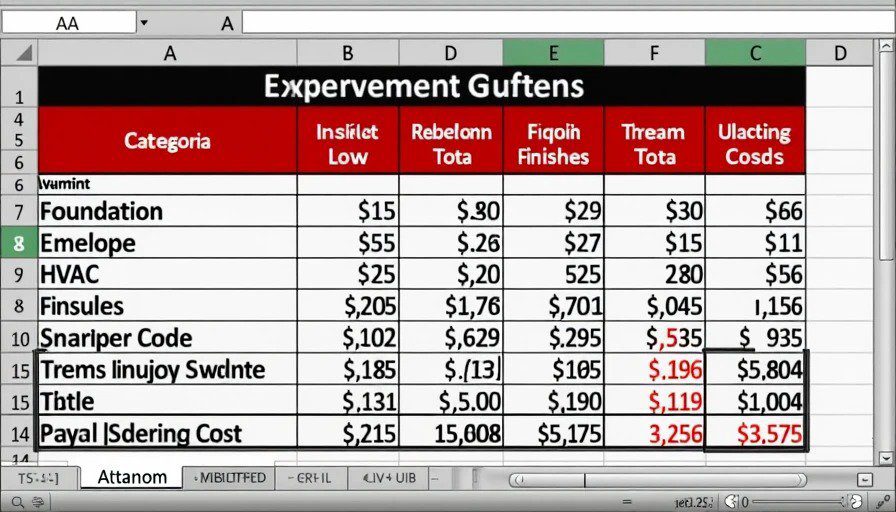
How the Reserve Spreadsheet Is Built
I start with the walkthrough findings and layer in:
Category Breakdowns
Foundation/Slab: Based on observed cracks, drainage, and soil conditions.
Building Envelope: Flashing, windows, roofing, siding performance risks.
Mechanical Systems: HVAC, plumbing, electrical shortcuts.
Interior Finishes: Tile, paint, cabinets, flooring tolerances.
Site/Exterior: Grading, driveways, landscaping settling.
Probability and Timing Factors
Not every defect fails immediately. I assign realistic timelines based on patterns from hundreds of audits:
Year 1–2: Warranty items and early settling.
Year 3–5: Performance degradation, material failures, and compounded issues.
Local Cost Data
Austin-area labor and material rates updated regularly. Multipliers for complexity in high-end homes.
Contingency
10–15% overall for unknowns and inflation.
The output is a clear range: Low (best case, proactive maintenance), Mid (most likely), High (aggressive movement or poor execution).
A Typical $1.35M New Build Reserve Example
From recent audits, here’s a representative model (adjusted for this example):
Category | Year 1–2 | Year 3–5 | 5-Year Total (Mid) | Notes |
|---|---|---|---|---|
Foundation/Slab | $1,500 | $8,000 | $9,500 | Minor movement risk |
Envelope/Water Management | $2,200 | $12,500 | $14,700 | Flashing and window risks |
HVAC & Mechanical | $1,800 | $6,500 | $8,300 | Duct sealing and balancing |
Finishes & Tolerances | $3,500 | $9,000 | $12,500 | Tile, paint, doors |
Site & Exterior | $800 | $4,200 | $5,000 | Grading and drainage |
Contingency (12%) | - | - | $6,000 | - |
Total | $9,800 | $40,200 | $56,000 | Mid-range forecast |
This isn’t scaremongering. It’s conservative math based on documented conditions. Many homes come in lower. Some exceed the high end when multiple systems interact badly.
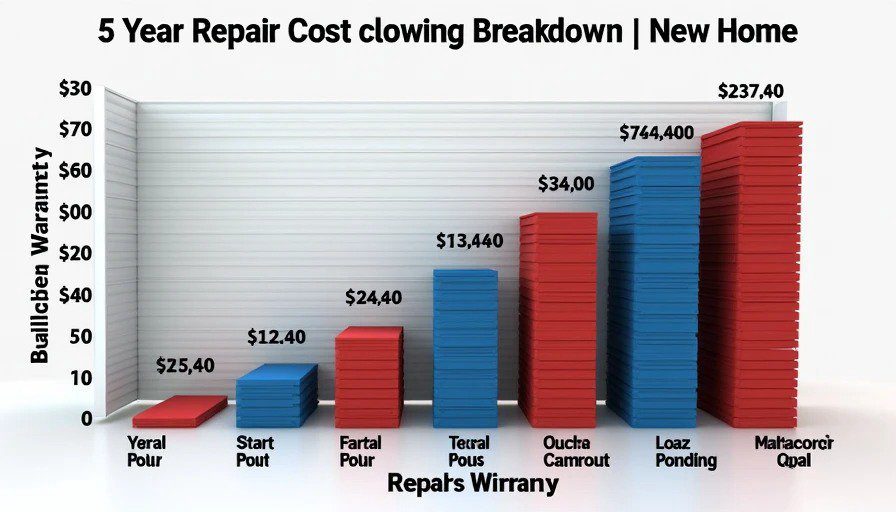
Why Builders Hope You Never Build This
Warranty language is carefully written. “Normal settling,” “wear and tear,” and “consequential damage” exclusions protect them. Their reserve estimates assume perfect execution and minimal movement — rarely the case in real construction.
My spreadsheet uses observable evidence: measured slab differentials, duct leakage percentages, flashing detail quality. It forces accountability to actual conditions rather than averages.
Sarah’s red pen routinely finds optimism in builder-provided numbers. “They assumed zero movement in year three. The cracks say otherwise.”
Using the Reserve Model Effectively
Negotiation Tool: Present findings pre-closing to secure escrow credits or repairs.
Budget Planning: Fund the reserve account from day one for peace of mind.
Maintenance Roadmap: Prioritize high-impact items like drainage and sealing.
Resale Preparation: Document proactive repairs to strengthen future value.
Clients who build and follow these models report far fewer surprises and better sleep in their new homes.
The Broader Ledger Lesson
New construction carries deferred costs. The question isn’t whether repairs will be needed — it’s when and how much. A data-driven 5-year reserve replaces hope with preparation.
I’ve watched too many families stretch budgets for the purchase only to face major expenses shortly after moving in. The spreadsheet prevents that trap.
Whether you’re buying from a production builder or semi-custom, insist on transparency. Or hire someone who builds these models professionally. The difference between a stressful new home experience and a solid long-term investment often comes down to these numbers.
Your builder hopes the warranty feels sufficient. Build the spreadsheet anyway. The math protects you long after the keys are in your hand.





No letters yet — pray write the first.