A new construction grade inspection drainage problem can turn a clean-looking yard into a $4,000 to $18,000 repair before the first hard rain. I have seen luxury lots where the sod looked finished, the paint was dry, and the water was still headed straight back toward the slab. The agent calls it minor settling. I call it a future bill with better landscaping.
Why drainage is the cheapest thing to ignore
On a new build, the dirt work is usually the last thing anybody wants to revisit. The builder wants the house closed, the landscaper wants to get paid, and the buyer is looking at fixtures, not elevations. That is where trouble hides. A yard only needs a small back slope, a buried downspout that dumps too close, or a low spot near the patio to start collecting water. In Austin clay, that water does not disappear. It sits, moves sideways, and finds the path of least resistance around the foundation.
The bad news is that drainage failures do not always show up on day one. The good news is that they leave a paper trail if you know what to look for. Washed-out mulch, silt at the edge of a walkway, a downspout that ends in a weak splash block, or a side yard that stays dark after a dry week are not cosmetic notes. They are clues. A proper walk with a laser level and a skeptical eye can catch a $500 fix before it becomes a $5,000 excavation. That is the whole game.

What a new construction grade inspection drainage report should measure
When I do a new construction grade inspection drainage walk, I check where the water starts, where it is supposed to go, and where the builder actually left it. I want slope away from the foundation, a clear route for runoff, and a discharge point that does not punish the slab, the driveway, or the neighbor on the low side. I also want to know whether the lot was graded before the final landscaping, because that is where a lot of pretty yards go wrong.
The report should not just say wet or dry. It should call out specific fixes. Maybe the front swale needs reshaping. Maybe the rear patio needs a channel drain. Maybe two downspouts need solid pipe extensions instead of a splash block and a prayer. On a typical new home, those fixes can run from a few hundred dollars for simple extensions to several thousand when crew time, trenching, and restoration are involved. If the report does not tell you what the work costs, it is only half a report.
A quick field example: I walked a roughly $1.4 million new build where the rear corner looked fine in sunlight but held a shallow puddle after a hose test. The correction was two buried drain lines, a small regrade, and a little concrete patching at the edge of the patio. The builder-era repair estimate landed around $7,500. If that had waited until the hardscape and irrigation were fully in place, the same problem would have dragged closer to $15,000 because the fix would have damaged finished work twice.
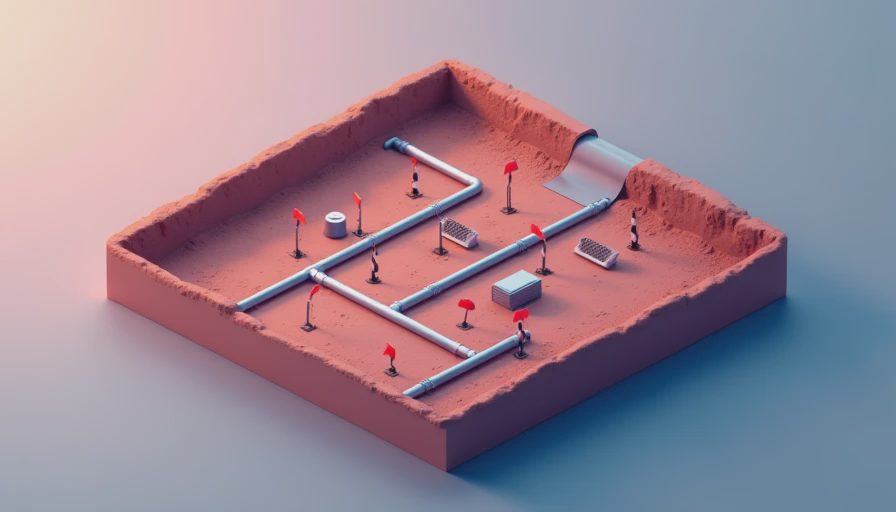
Red flags that turn a clean lot into a repair reserve
The ugliest drainage mistakes are rarely dramatic. They are small things stacked together. Soil packed against stucco, mulch that keeps washing into the driveway, a garage floor that stays damp after rain, or a downspout that discharges near a sidewalk joint all tell the same story: the lot was graded to look done, not to perform. On a sloped site, a bad swale can send water toward the house for twenty feet before anybody notices. On a flat site, one low corner can act like a birdbath for every storm from May through September.
I also pay attention to where the irrigation system fights the grading. A sprinkler head aimed at a foundation wall is not landscaping, it is self-inflicted damage. Add in a patio that sheds water toward the back door, and you have a setup that can stain brick, soften soil, and stress the slab edge over time. Don't ask me if there's anything wrong with this house. Ask me how many dollars you have to spend to fix it.
What repairs cost when you wait too long
Simple corrections are cheap by construction standards. Downspout extensions might be $150 to $500 each, depending on how they are routed and whether they are buried. Regrading a small yard section often lands in the $2,500 to $8,000 range. A French drain, trench drain, or combination system can run $4,000 to $15,000 when you include excavation, piping, gravel, and restoration. If the water issue has already chewed up a retaining wall, patio edge, or foundation-adjacent hardscape, the total can climb fast into the $12,000 to $40,000 neighborhood.
If the lot is still bare dirt, the cheapest move is to grade it once, not twice. A few hundred dollars in laser time and topsoil can save you from redoing sod, mulch, edging, and irrigation. After the yard is planted, every correction starts charging a demolition fee. That is why I want drainage evaluated before the photo-ready stage, not after.
If you are buying a seven-figure new build, treat new construction grade inspection drainage like a reserve study for the yard. It is not glamorous, but neither is a damp slab. The house can be perfect in the brochure and still be wrong on the lot. I would rather find the fix now than fund the bug report later.





No letters yet — pray write the first.