A new roof and fresh drywall do not mean the attic is right. When I see insulation gaps attic new home, I stop thinking about cosmetics and start thinking about money. A few missing batts or a thin blown-in layer can turn into $1,500 to $4,500 in corrective work, and a sloppy attic can drag comfort and utility bills for years. If the builder waves it off as minor, that is usually code for the schedule is tight and nobody wants to pull the crew back.
How insulation gaps attic new home happen in rushed builds
New construction looks clean because drywall hides the sins. The usual misses are at the attic hatch, around bath fan ducts, over exterior top plates, and at the eaves where the crew cut batts too short. Blown-in insulation can also drift thin if the installer did not hit the target depth evenly. On a 2,000-square-foot house, the fix may be a few hundred dollars if the gaps are caught on the punch list, or several thousand after closing when access has to be protected and finished surfaces are already in place.
Builders like to say the insulation crew was almost done. Almost done is not a standard. Air leaks at the top of the house are where heat escapes in winter and where hot air sneaks into the bedrooms in summer. That is why a single missed corner can matter more than a neat-looking field of pink fiberglass in the middle of the attic. The middle is easy. The edges are where the bill shows up.
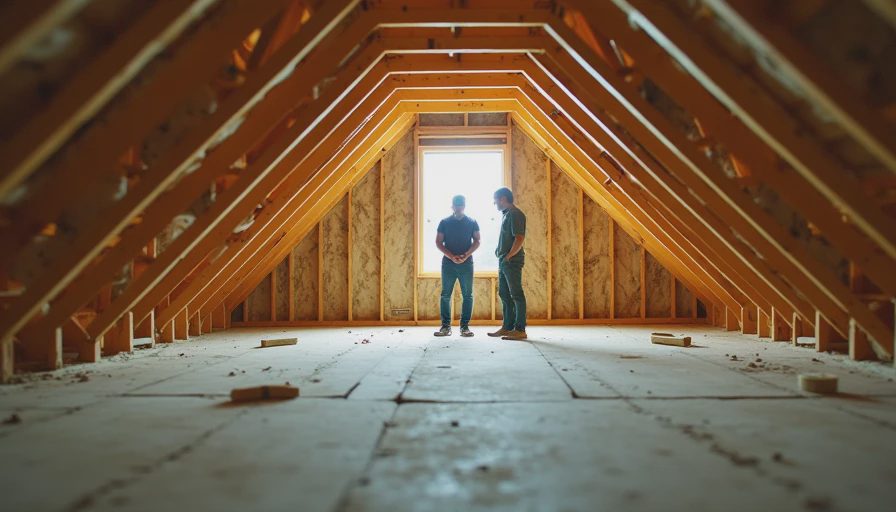
What the damage looks like in a real house
The first clue is not always a dramatic leak. It is the bedroom that never quite holds temperature, the hallway register that seems weak, or the upstairs zone that makes the HVAC cycle like a nervous intern. In a 3,000-square-foot new home, poor attic coverage can easily add $25 to $75 a month to cooling and heating costs, sometimes more if the attic access is wide open or the recessed lights are dumping conditioned air into the attic. That is not a theoretical loss. It is your utility bill reminding you the builder saved time by skipping details.
Moisture and dust join the party next. Warm, humid air leaking into a cold attic can leave condensation around penetrations, metal flues, or roof decking in the wrong season. You will also see more dust movement if the ceiling plane is leaky, which is the sort of invisible annoyance that turns into callbacks, service visits, and someone pretending the house just needs time to settle. Houses do not settle their way into missing insulation. Missing insulation stays missing.
The best inspection tools are cheap compared with the repair
I like an infrared scan on a cold morning or after a long cooling run because it makes the ugly parts obvious. Add a blower door test, and you can see whether the house is leaking air at the ceiling plane or just sitting there looking expensive. A decent diagnostic visit runs about $400 to $1,200. That is a rounding error on a million-dollar closing, especially when the report can separate a real attic problem from a minor patch.
What I want in the attic is simple: full coverage, consistent depth, no bare corners, no crushed batts at the eaves, and no daylight around the hatch. If the inspector has to crawl over loose fill with a ruler and a flashlight to prove the depth, good. That is the point. That is why insulation gaps attic new home deserves a real test, not a shrug. The faster you identify the weak spots, the easier it is to make the builder fix them before sheetrock touch-up becomes your problem.
What a proper repair usually includes
The fix is not just dumping more insulation on top and calling it a day. A proper repair starts with air sealing the penetrations, then extending baffles at the eaves, sealing the attic hatch, and topping up the insulation to a consistent depth. In many Texas builds, that means aiming for an attic performance level that matches the climate and the house design, not whatever the subcontractor had left on the truck.
If insulation gaps attic new home are near the eaves, the crew should fix airflow before adding fill. For a typical 2,000-square-foot attic, air sealing plus blown-in cellulose or fiberglass often lands in the $1.50 to $3.50 per square foot range, so $3,000 to $7,000 is a normal working budget. If there is foam work, recessed light correction, or badly chopped bath venting, the bill can move into the $8,000 to $15,000 territory. Owens Corning, CertainTeed, and Johns Manville all make the materials. The price swing is mostly labor, access, and how many shortcuts the original crew left behind.

When it is a punch-list item and when it is reserve money
Small misses at one hatch or one corner are usually a punch-list fight, not a five-year disaster. A whole attic with thin coverage, skipped air sealing, or obvious voids around mechanical chases is different. That becomes reserve money because the repair is more invasive and because the rest of the home depends on that ceiling plane staying tight. A buyer who catches it early can often get the builder to correct it for little or no direct cost. A buyer who finds it after closing is paying for labor twice, once in the original price and once in the cleanup.
This is where the paperwork matters. Ask for photos before the drywall goes back, ask for the insulation depth after the repair, and ask for the attic hatch to be weatherstripped, not just taped. If the builder wants to close the file with a smile and a hand wave, that is usually the moment the dollar figure gets real.
The dollar sign to watch before you sign
If you are buying new construction, do not let anyone sell you a clean paint story when the attic is the problem. On a good day, you are looking at a few hundred dollars to document the issue and a few thousand to correct it. On a bad day, the repair reserve climbs because the work has to be done around finished trim, built-ins, or a tight move-in schedule. That is how a simple attic miss becomes a line item that survives long after the closing gifts are gone.
My rule is simple. If the attic floor does not look uniform, if the hatch feels like an afterthought, or if the thermal image lights up like a Christmas tree, do not shrug. The house is trying to tell you something with insulation gaps attic new home, and the message is usually cheaper to hear before funding the mortgage. Ask for the fix, get the documentation, and keep the truck fund for something better than patching a builder shortcut.





No letters yet — pray write the first.