If you see improper grading drainage issues on a new build, the fix is rarely a mystery and rarely cheap. On a typical Texas lot, I budget $3,000 to $8,000 for modest regrading and gutter corrections, $8,000 to $18,000 when the water has been left to run toward the slab for a while, and $20,000 or more if the problem has already reached interior finishes or foundation movement. That is the part the glossy brochure skips. The agent calls it a little low spot. I call it a line item that can eat a truck fund and part of the kitchen upgrade. Sarah would want the red pen out before anyone signed.
What improper grading drainage issues look like from the curb
You do not need a trenching crew to spot the first clues. Walk the perimeter after a rain and look for water standing against the house, mulch washed into corners, mud splashed on brick, or a dark line where the soil has been wet too often. If the lot slopes toward the slab, the problem is already doing its work, even if the interior still looks fresh. A home should shed water away from the structure, not hold it like a saucer under a coffee mug. On a clean walkthrough, I want the yard to fall away from the house, downspouts to discharge far enough out, and no soil piled up against weep holes or siding.
A lot of people miss the early signs because the finishes are new. Fresh sod hides bad slope for a few months. New mulch hides bad drainage for about one storm. Then the stains show up on the lower brick, the flower beds collapse, and the driveway edge starts to settle. That is when improper grading drainage issues stop being a theory and become a repair file. If I can see water heading toward the house with a simple hose test on a dry day, I already know I am looking at a problem, not a cosmetic quirk.
The repair bill behind improper grading drainage issues
The repair bill depends on whether you are moving dirt or moving systems. The cheapest fixes are downspout extensions, splash blocks, and targeted regrading with a skid steer and a couple of tons of fill. That kind of work can land in the low thousands if the site is accessible and the finish work is light. Add French drains, solid underground pipe, or new swales, and the number climbs fast. On one side yard with enough access, I have seen drainage work land in the $6,000 to $12,000 range without touching the slab. Once patios, walkways, retaining edges, or landscape lighting have to be pulled apart, the bill can jump another few thousand without much drama.
Builders like to talk about settlement as if gravity is an unexpected guest. It is not. If water keeps showing up at the foundation line, the soil moves, the slab reacts, and the cosmetic fixes become expensive. Improper grading drainage issues are the kind of defect that starts with dirt and ends with trim gaps, cracked tile, or a service call nobody wanted to write. That is why I tell buyers not to budget for the visible puddle. Budget for the parts of the house that will complain later.

How I separate cosmetic slope from real water trouble
On a walkthrough, I split the problem into two buckets. Cosmetic slope means the lot was finished lazily, the runoff path is poor, and the house still has a chance if you correct the grade and route roof water away from the foundation. Real water trouble means the slab edge is stained, interior flooring is lifting, doors are binding, or there is evidence of repeated wetting on the same side of the house. Once moisture has been showing up for a while, the repair reserve needs to include more than dirt work. You may be looking at drainage, surface repairs, and the cost of fixing whatever the water already touched.
The fastest way to get honest about it is to compare the high points and the low points around the home. If the ground falls toward the structure on more than one side, that is not a styling choice. If the gutters dump at the base of the wall, that is not a small oversight. If the grade is high enough to bridge siding or cover a weep screed, the site is fighting the house instead of supporting it. I have seen buyers spend $1.2 million and ignore a $4,000 drainage correction. That is the kind of false economy that makes me reach for Sarah’s red pen.
When improper grading drainage issues become a foundation problem
This is where people get cute and call it normal settling. Sometimes it is. Sometimes it is a drainage problem that has already started to move soil under the footing. If you are seeing stair-step cracks, a slab edge that no longer looks level, interior tile pops near an exterior wall, or a garage floor that drains the wrong way, the conversation gets more serious. The cost can still begin with grading, but the real exposure is no longer landscaping. Once a foundation contractor, engineer, or interior repair crew gets involved, the number can move from a few thousand to well over $20,000, and that is before you chase the cosmetic fallout.
A clean house is not proof of a dry site. I have walked new construction where the drywall was perfect and the drainage was terrible. The builder had put all the money into what you can see from the street and left the water path to chance. That is why improper grading drainage issues show up in my notes early. They are cheap to describe and expensive to ignore. The house might survive the first year just fine. The bill usually arrives after the warranty gloss wears off.
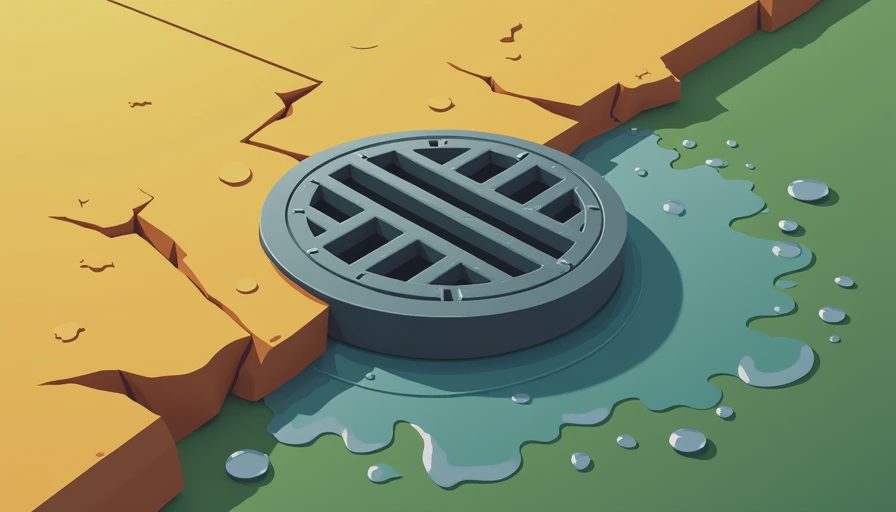
What to ask before you close on the house
Do not ask me whether there is anything wrong with the house. Ask me how many dollars you have to spend to fix it. Before closing, I want to know where the downspouts discharge, whether any low spots were reworked after the foundation pour, and whether the final grade still falls away from the slab on every side. I also want photos taken after a rain, not just in blue-sky weather when everything looks innocent. If the seller or builder says the issue is minor, ask for the repair scope in writing and the actual completion date, not a promise and a shrug.
If you are buying a new home and you already see improper grading drainage issues, treat them like a reserve item, not a nuisance. The good news is that dirt is usually cheaper than structure. The bad news is that dirt can still wreck the structure if nobody respects the slope. That is the whole game: catch it early, price it honestly, and do not let a pretty lawn hide a bad site plan.





No letters yet — pray write the first.