A foundation pre pour inspection is one of the cheapest ways to avoid a very expensive surprise. For roughly $350 to $900, you can catch a missing rebar chair, a plumbing stub-out that is two inches off, or a vapor barrier that looks like it was installed by a guy who lost a bet. Once concrete is poured, the repair bill stops being annoying and starts getting mean.
I audit new construction the way Sarah marks up a spreadsheet: line by line, with no patience for builder poetry. A foundation pre pour inspection is the moment when the job site still tells the truth. You can see the excavation, the forms, the steel, the sleeves, the anchor bolts, the grade beams, and the plumbing before the slab locks everything in place. After the pour, you are often guessing, and guessing with concrete is how people end up paying twice.
Why this inspection pays for itself fast
A foundation pre pour inspection should be treated like a pressure test on the whole project. If the form work is out of square, the slab can telegraph that mistake into wall alignment, cabinet fit, and tile cracks. If the compaction is sloppy, you may not see the problem for months, but the bill shows up later as movement, sticking doors, or finish cracks that make a brand-new house look tired.
The economics are ugly in a predictable way. A minor correction before the pour might cost a crew a few hundred dollars in labor and materials. Fixing the same mistake after concrete sets can run $2,000 to $8,000 for sawcutting, demo, rework, and patching. If the issue touches plumbing or structural layout, the number can jump much higher. That is why a foundation pre pour inspection is not an indulgence. It is a cheap insurance policy against expensive improvisation.
The agent will tell you the slab team has done this a thousand times. Fine. That is exactly why mistakes become routine. Routine mistakes are the expensive ones.
What gets checked before the truck shows up
A good foundation pre pour inspection starts with the boring stuff, because the boring stuff is where the money hides. I want to see the excavation depth match the plans, the subgrade compacted and free of soft spots, and the forms set to the correct elevation. If the footing depth is off by even a few inches, the house may still get built, but you are paying for the privilege of compromise.
Then comes reinforcement. Rebar has to be the right size, in the right spacing, and actually elevated so it ends up in the concrete instead of lying in the dirt like forgotten barbecue tongs. Post-tension cables need proper placement and protection. Anchor bolts and hold-downs need to be where the framing crew expects them, not where somebody thought they should be after lunch.
Plumbing and electrical sleeves matter too. A drain line shifted by a small amount can force a brutal change once cabinets, tubs, or island layouts are finalized. A foundation pre pour inspection should also check vapor barrier seams, penetrations, and any signs of water sitting in the excavation. If the plastic is torn or floating in mud, that is not a small detail. That is a future moisture problem with a house on top of it.
The red flags that usually lead to real money
The biggest red flag is the shrug. When a superintendent says, “That is close enough,” I hear, “We do not want to pay to fix this.” Close enough is not a measurement. It is a request for your money later.
Another bad sign is rework hidden under fresh dirt. If you can see patched trenches, extra spray paint, or plumbing that looks like it was moved twice, somebody already had a problem. That does not always mean disaster, but it does mean you should price the risk. In my reports, a sloppy foundation pre pour inspection often lines up with $1,500 to $4,000 in immediate corrections and a much larger reserve if structural layout, drainage, or post-tension details were missed.
The worst cases are the ones no homeowner notices during the walk. A grade beam poured out of tolerance can create drywall cracking and floor transitions that never feel right. A missing sleeve through a beam can mean a plumber hacks around the issue later, then you inherit a permanent patch and a story about how “the finish crew handled it.” That phrase usually means you are funding the workaround.
What I tell buyers to ask on site
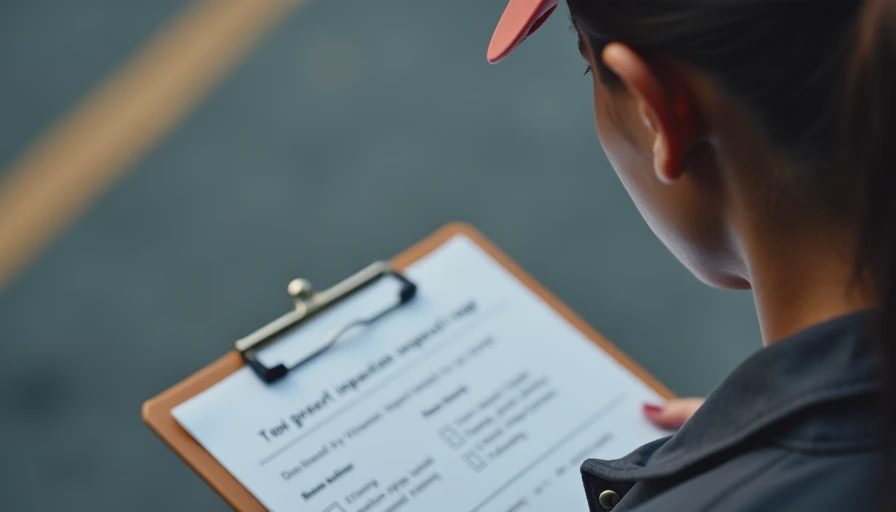
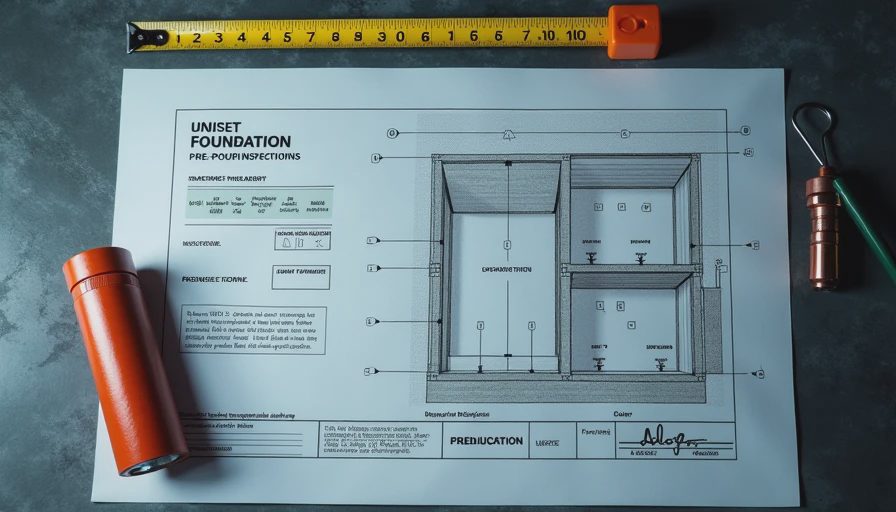
If you are paying for a foundation pre pour inspection, ask for the plans that were actually used in the field, not the clean PDF in the sales packet. Compare the footing layout, slab edges, plumbing locations, and any thickened beams to the real site. You are looking for proof that the job matches the drawing, not confidence theater.
Ask who signed off on compaction, who verified elevations, and whether the pre-pour checklist was completed before the truck was scheduled. A rushed pour often starts with a scheduling problem: the concrete is on the way, so the details become optional. That is when good builders slow down and weak ones start negotiating with reality.
This is also where a second set of eyes earns its keep. A superintendent may know the sequence, but a cost-minded inspector knows what each miss costs in the real world. A misplaced drain line is not just a drawing error. It can mean cutting concrete, moving plumbing, and buying time from three different trades. That is the kind of math the sales office never puts in the brochure.
When the upgrade is worth it and when it is not
If you are buying a tract house with a tiny backyard and a tight budget, you might decide the risk is not worth chasing every detail. I get that. But if the home is in the seven-figure range, has a complicated slab, a pool planned nearby, or sits on reactive soil, a foundation pre pour inspection is the first line item I would protect. It is the one phase where the cost of review is tiny compared with the cost of correction.
Think of it this way: you can spend a few hundred dollars now, or you can spend several thousand later trying to prove the house should have been built correctly in the first place. I have seen buyers walk away from a sloppy pour with a clean punch list and a modest repair reserve. I have also seen people discover too late that a “minor” error became a long-term crack, a drainage headache, or a floor system that never quite behaved.
The simple rule is this: if the slab is not poured yet, you still have leverage. Once the truck leaves, your leverage gets buried with the concrete. That is why a foundation pre pour inspection is not glamorous, but it is one of the smartest dollars you can spend on a new build.
The bottom line on protecting the slab
Do not ask whether the house looks fine from the street. Ask whether the foundation work was verified before the pour, and ask what happens if it was not. A proper foundation pre pour inspection gives you proof, leverage, and a real chance to stop a cheap mistake from becoming a permanent one. In my world, that is the difference between spending $600 today and writing a very irritated check for $6,000 later. The concrete does not care about optimism, and neither should you.




No letters yet — pray write the first.