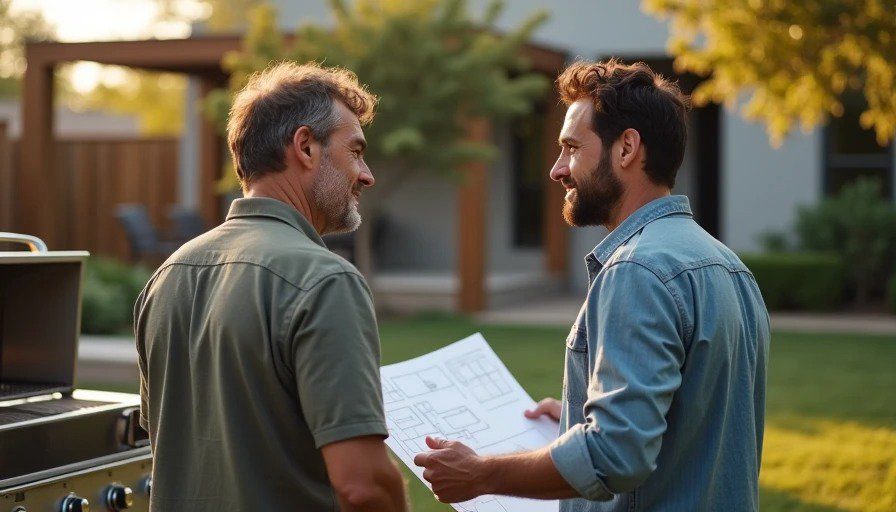
My brother-in-law called excited about a new build he was under contract on. “It’s turnkey, Ethan. Passed inspection. No need for all that extra stuff you do.” I asked for the specs and inspection report anyway. What followed was a blunt conversation over smoked brisket on the weekend. I didn’t sugarcoat it. Family gets the unfiltered version.
He closed anyway. Eighteen months later the call came about foundation movement, HVAC issues, and a repair bill that could have been negotiated pre-closing. Here’s what I told him — and what every new build buyer needs to hear.

Alt: Family reviewing new home documents and audit findings
Title: Pre-purchase conversation on new build risks
The Key Concerns I Raised
1. The Inspection Was a Checkbox, Not a Cost Analysis
Standard inspections verify basic function. They don’t price future repairs or identify systemic shortcuts. I recommended a full cost audit focusing on tolerances, envelope details, and 5-year reserves. He thought the “clean” report was sufficient.
2. Allowance and Spec Gaps
The contract had low allowances and vague “builder standard” language. I flagged likely change order surprises and finish quality drops from model home expectations. Sarah reviewed the numbers and found inconsistencies in minutes.
3. Foundation and Soil Realities in Texas
The lot had typical clay soil conditions. Observed minor cracks and grading issues projected meaningful remediation risk. He dismissed it as normal for new construction. The math said otherwise.
4. Mechanical System Shortcuts
Ductwork and ventilation details in the attic walkthrough (virtual, since he didn’t want full audit) raised efficiency and comfort flags. These become expensive when the warranty period ends.
5. Warranty Limitations
“Lifetime” roof, comprehensive builder warranty — all with fine print that limits real protection. I advised building a realistic reserve regardless of warranty language.
He heard the concerns but the excitement of new construction and “move-in ready” won out. No independent cost audit. Minimal negotiation on flagged items.
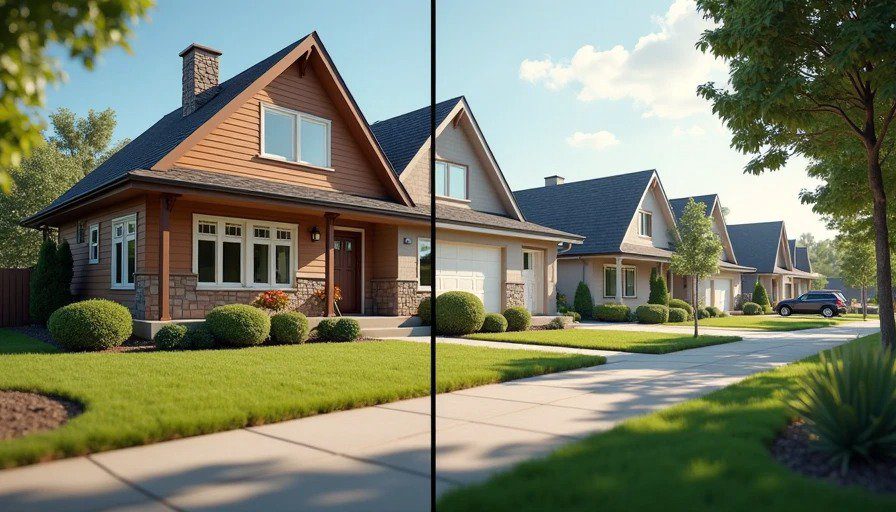
Alt: New build closing vs post-occupancy repair realities
Title: What happens when skipping due diligence on new construction
What Happened Eighteen Months Later
The predicted issues materialized. Slab movement required attention. HVAC imbalances led to comfort complaints and higher bills. Finish tolerances showed in tile and doors. The repair reserve he didn’t build became out-of-pocket expenses that strained the budget.
We sat down again. This time he was ready to listen to the full audit approach for future decisions. The lessons were learned the expensive way.
What I Would Tell Any Buyer in That Position
Don’t Confuse New with Problem-Free
New construction has different risks than resale. Rushed schedules and economic pressures create patterns of shortcuts. An independent cost audit catches them with numbers attached.
The Inspection Isn’t Enough
A standard report gives false security. Demand pricing on findings. Model reserves. Negotiate from data.
Family Advice Is Blunt for a Reason
I don’t do this work to scare people. I do it because I’ve seen the other side — the change orders, warranty battles, and repair invoices that could have been avoided or reduced.
Build the Spreadsheet Anyway
Even if you skip the full audit, create your own 5-year reserve model. It forces realistic budgeting and highlights where to push back.
The Cost of Not Knowing
Skipping due diligence often costs far more than the audit fee. Repairs, lost negotiation leverage, stress, and opportunity cost add up quickly.
Ranger was at my feet during that first conversation, probably hoping for brisket scraps. Liam asked later why Uncle didn’t listen. The answer is simple: new home excitement clouds judgment. Data cuts through it.
The Broader Lesson from the Field
This isn’t unique to family. I see similar stories weekly in my practice. Buyers assume new means low risk. Builders deliver what the contract requires — often the minimum. The gap between those two realities is where my work lives.
If you’re buying new construction, get the audit. Read the fine print. Build the reserve. Negotiate with numbers. Your future self will thank you, even if the excitement of closing day makes it hard to hear right now.
My brother-in-law is in a good house overall. It just cost more than it needed to in the long run. Learn from the ones who went before you. The data is there. Use it.
New construction can be excellent. But only when you approach it with open eyes and solid numbers. Don’t skip the hard questions. The house — and your ledger — will be better for it.



No letters yet — pray write the first.