A $1.2 million new home can contain $35,000 worth of future replacements hidden behind fresh paint. That is the central problem with builder grade vs quality materials: the house looks finished, but the useful life of its components can be dramatically different. A standard inspection identifies missing handrails and leaking faucets. It rarely tells you whether the roof, windows, cabinets, and mechanical systems will become a repair schedule before your second holiday season.
I am less interested in whether a material is attractive than in what it costs to own. Don't ask whether anything is wrong with the house. Ask how many dollars you have to spend to fix it, and when those dollars are likely to leave your account.
What builder grade actually means
Builder grade is not automatically defective. It is a cost-controlled specification selected to meet minimum performance requirements, finish a project quickly, and survive a warranty period. That often means hollow-core interior doors instead of solid-core doors, laminate or thin veneer cabinetry instead of plywood boxes, builder-series windows instead of higher-performance units, and basic plumbing fixtures with inexpensive cartridges.
The problem is that these choices are often described as “standard selections,” which sounds neutral. It is not neutral when a $7,000 cabinet replacement is needed after a dishwasher leak because the cabinet box swelled and cannot be refinished. It is also not neutral when a low-cost window has poor air sealing, creates condensation, and contributes to $2,000 or $3,000 rooms feeling uncomfortable every month.
In builder grade vs quality materials, the distinction is not simply cheap versus expensive. It is short replacement cycle versus long service life, easy maintenance versus specialized repair, and visible finish versus concealed performance.
Where the largest dollars hide
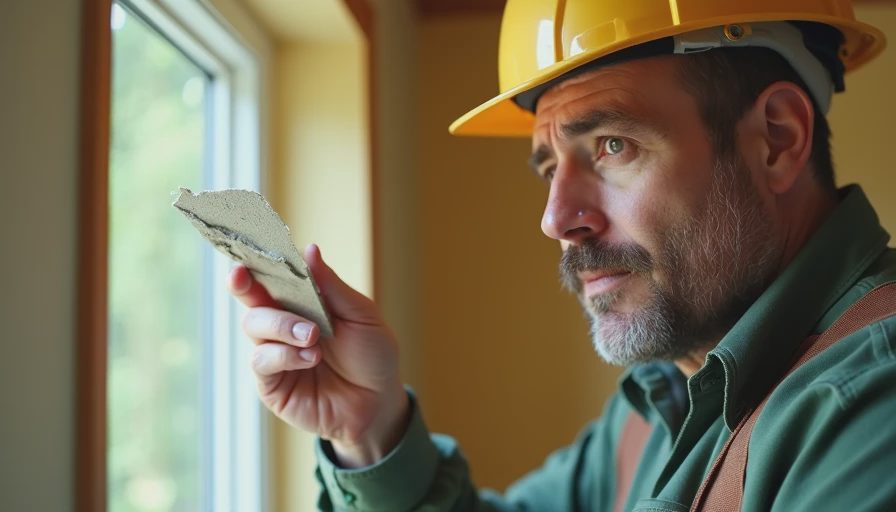
Start with the building envelope. A roof covering, flashing system, window installation, and exterior drainage control water. A premium shingle does not rescue poor flashing, and an expensive window does not compensate for a badly prepared opening. I have seen buyers focus on quartz counters while overlooking missing kick-out flashing at roof-wall intersections. That small omission can direct water into siding, sheathing, and interior finishes. A realistic remediation reserve can climb from $3,000 for localized repairs to $20,000 or more when rot spreads behind the wall.
HVAC is the next ledger line. A basic single-stage system may heat and cool adequately, but comfort, humidity control, duct sealing, and service access are separate questions. A poorly balanced 4,000-square-foot house can produce hot bedrooms, cold offices, and $500 service calls before the equipment reaches ten years. Better equipment helps, but commissioning matters more than a badge on the condenser. Ask for airflow readings, refrigerant verification, duct leakage results, and equipment model numbers.
Plumbing fixtures and water-management details deserve similar suspicion. A $180 faucet is not necessarily bad, but proprietary cartridges can turn a simple repair into a $400 service visit. A water heater installed without a proper pan, drain route, or expansion control is a future damage event wearing a clean label.
Builder grade vs quality materials in the interior
Interior upgrades are easier to see and easier to price. Solid-core doors typically provide better sound control and a more substantial feel than hollow-core doors. Plywood cabinet boxes tolerate moisture and fastener loads better than particleboard, particularly beneath sinks and around trash pullouts. Site-finished hardwood can be repaired and refinished repeatedly, while thin engineered flooring may have limited refinishing capacity. Neither choice is automatically correct; the question is how the household will use the room and what replacement involves.
For a luxury buyer, I would assign attention to the components that are difficult to replace after move-in. Replacing a $12,000 lighting package is disruptive but straightforward. Replacing windows, tile waterproofing, shower pans, or built-in cabinetry can mean demolition, temporary housing, dust control, and matching problems. A builder may quote a $9,000 upgrade for a shower system, while the real value is not the rain head. It is the waterproofing assembly, accessible valves, correctly sloped pan, and documentation behind the tile.
This is where builder grade vs quality materials becomes a decision about access. If a failed valve requires opening a finished wall, the inexpensive selection was not inexpensive. It simply moved the cost into the future.
How to inspect the difference before closing
Bring more than a finish checklist. Request product data for windows, roofing, insulation, HVAC equipment, water heaters, waterproofing systems, and electrical panels. Record model numbers, not marketing names. “Premium package” is not a specification; a model number lets you identify warranty terms, replacement parts, efficiency, and installation requirements.
Then inspect the work in layers. From outside, check roof penetrations, flashing transitions, drainage slopes, sealant joints, and the bottom edges of siding. Inside, operate every window, cabinet door, drawer, faucet, toilet, door, and thermostat. Look for uneven reveals, swollen cabinet edges, cracked grout, hollow-sounding tile, and doors that swing open by themselves. Use an infrared camera only as a screening tool; it can reveal patterns, but it does not diagnose the cause.
Ask for a sewer scope, independent HVAC commissioning, moisture readings at suspicious areas, and a detailed attic inspection. These services commonly cost several hundred dollars each. That is a rounding error beside a $15,000 remediation bill.
Build a repair reserve, not a wish list
A useful reserve separates immediate corrections from predictable ownership costs. Immediate defects are loose flashing, active leaks, unsafe electrical conditions, missing insulation, and failed drainage. Near-term replacements include weak appliances, inexpensive garage door hardware, low-grade pumps, and finishes already showing moisture damage. Long-cycle items include roofing, HVAC equipment, exterior paint, windows, and water heaters.
For a new luxury home, I would rather see a documented $25,000 reserve with line items than a vague $5,000 allowance based on the word “new.” Assign each item a probable year, replacement cost, labor difficulty, and consequence if ignored. A $600 failed disposal is annoying. A $600 drainage correction can prevent a $30,000 foundation or interior-water problem. The spreadsheet should reflect that difference.
Use the same discipline when comparing bids. One contractor may include demolition, permits, patching, painting, and disposal; another may price only the visible component. The lower number is not lower until the scope matches.
Questions that expose the specification
Ask who selected each product, what the warranty covers, and whether installation or only the material is warranted. Ask whether the builder tested the shower pan before tile, balanced the HVAC system, pressure-tested plumbing, and documented window installation. Ask what happens when a discontinued faucet cartridge or appliance control board fails.
Also ask what is behind the finish. Is the countertop supported correctly? Are cabinets fastened into framing? Is there a service shutoff for every fixture? Is the attic insulation level consistent at the eaves? Are exterior penetrations flashed or merely sealed with caulk? These questions turn builder grade vs quality materials from a showroom argument into a field investigation.
The answer you want is not “That is standard.” You want a drawing, test result, product sheet, or installation record. Standards are useful. Evidence is better.
The cost-forensic conclusion
Builder grade is acceptable when the component is accessible, replaceable, and properly installed. It becomes dangerous when it controls water, air, structure, comfort, or future access. Quality materials are not a magic shield; premium products installed carelessly still fail. But the better specification usually buys tolerance, service life, repairability, and fewer expensive surprises.
Before signing, compare builder grade vs quality materials by total ownership cost, not showroom price. Spend your inspection budget on concealed systems first, document every model and test, and price the defects in dollars. A new home should not need a repair reserve equal to a small business, but if the inspection says it does, believe the math rather than the brochure.





No letters yet — pray write the first.