
A few hundred dollars for an inspection can uncover a repair that costs several thousand. For a new-build buyer, a private home inspection before closing is an independent review of accessible systems and workmanship before the purchase is complete. Schedule it early enough to receive the report, get specialist estimates, and have deficiencies addressed or otherwise resolved before closing. A municipal sign-off and the builder’s walkthrough are useful, but neither is a substitute for your own inspector.
What an independent inspection should cover
Hire an inspector who regularly evaluates new construction and carries the license or credentials required in your state. Ask for a sample report before booking. You want clear photographs, locations, descriptions of the condition, and an explanation of what could not be inspected. A stack of generic maintenance tips is not a repair plan.
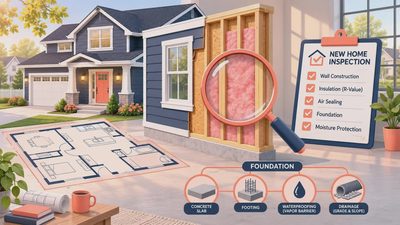
The inspection should cover accessible roofing, exterior drainage and cladding, structure, plumbing, electrical, heating and cooling, insulation, and interior finishes. On a luxury property, ask specifically about the pool, irrigation, elevators, smart-home controls, detached structures, and specialty equipment. Many of these fall outside a standard inspection and may require separate specialists.
The distinction matters. An inspector may identify a stain near a window without being able to establish whether the source is failed flashing, a plumbing leak, or condensation. The report should tell you where the stain is and why it needs investigation; it should not pretend that a photograph reveals the entire repair.
Schedule access while there is still time to act
Book the inspection as soon as the closing schedule is reasonably firm. Ask the inspector how quickly the report will arrive, then allow time for specialist visits, written estimates, repairs, and a reinspection. A report delivered the night before closing is an expensive reading assignment with very little leverage attached.
Confirm access with the builder in advance. Utilities should be on, permanent systems operational, and the inspector able to reach the attic, electrical panels, mechanical equipment, and other agreed areas. Construction materials blocking an attic hatch do not make the attic satisfactory; they make it uninspected.
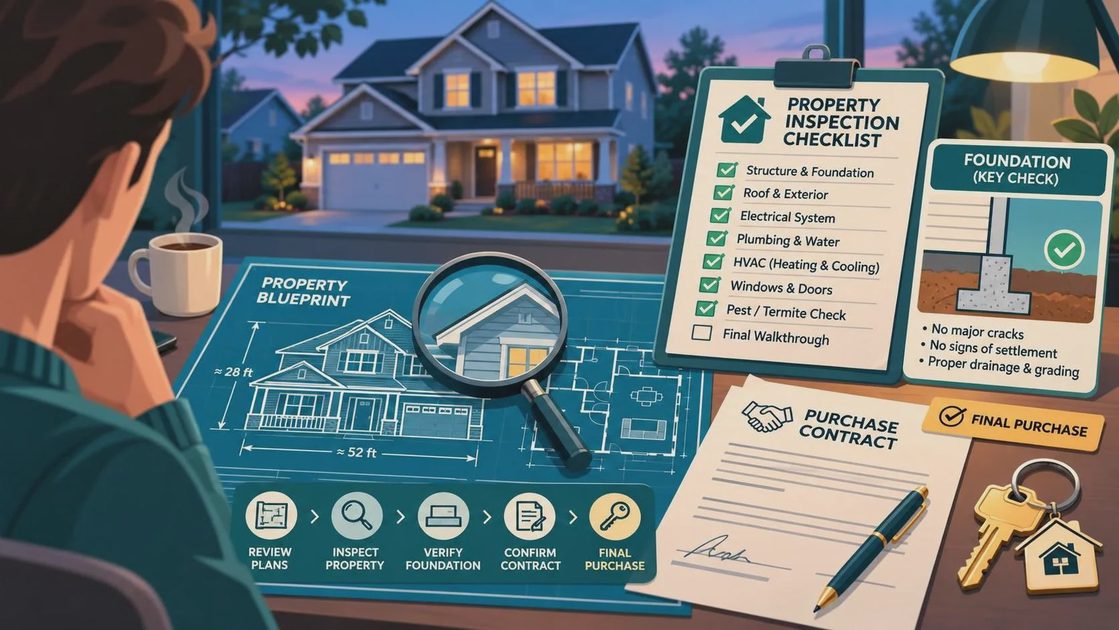
If the home is still being built, an inspection before insulation and drywall can expose framing, rough plumbing, wiring, and other work that will later be concealed. A final inspection remains worthwhile, but it cannot see through finished walls. If those earlier stages have passed, ask what documentation and photographs are available rather than assuming the hidden work is sound.
Where the expensive surprises hide
Start outside. Water should drain away from the house rather than collect against the foundation or run toward doors. Look at roof penetrations, gutter discharge, window and door flashing, and transitions between cladding materials. Fresh landscaping can hide low spots, and a dry day does not prove a drainage system works in a downpour.
Inside, pay attention to moisture evidence around windows, showers, ceilings, and mechanical equipment. A water stain is a lead, not a diagnosis. Patching and repainting without finding the source buys you a clean-looking ceiling and potentially the same problem later. Ask whether moisture readings, controlled testing, or a qualified roofing or waterproofing specialist would help narrow the cause.
Mechanical rooms deserve more than a glance. The inspector should operate accessible equipment where conditions permit and look for installation defects, drainage problems, and visible leaks. A heating and cooling system that turns on is not necessarily balanced or delivering the intended airflow to every room. If comfort or installation is in question, a qualified HVAC contractor can investigate beyond the scope of a general inspection.
Finally, look at structure and movement without jumping to conclusions. A crack can be cosmetic, or it can warrant further evaluation; its location, width, pattern, and other conditions matter. If the inspector recommends a structural engineer, get that assessment before assigning a repair allowance. A crack width by itself is not a reliable price tag.
Turn findings into a repair ledger
A private home inspection before closing produces observations, not a fixed construction budget. Convert material findings into a ledger with the location, likely scope, responsible trade, written estimate, and status. Separate confirmed defects from items that need further investigation. If a contractor cannot determine the scope without opening a wall, record that uncertainty instead of entering a suspiciously precise number.
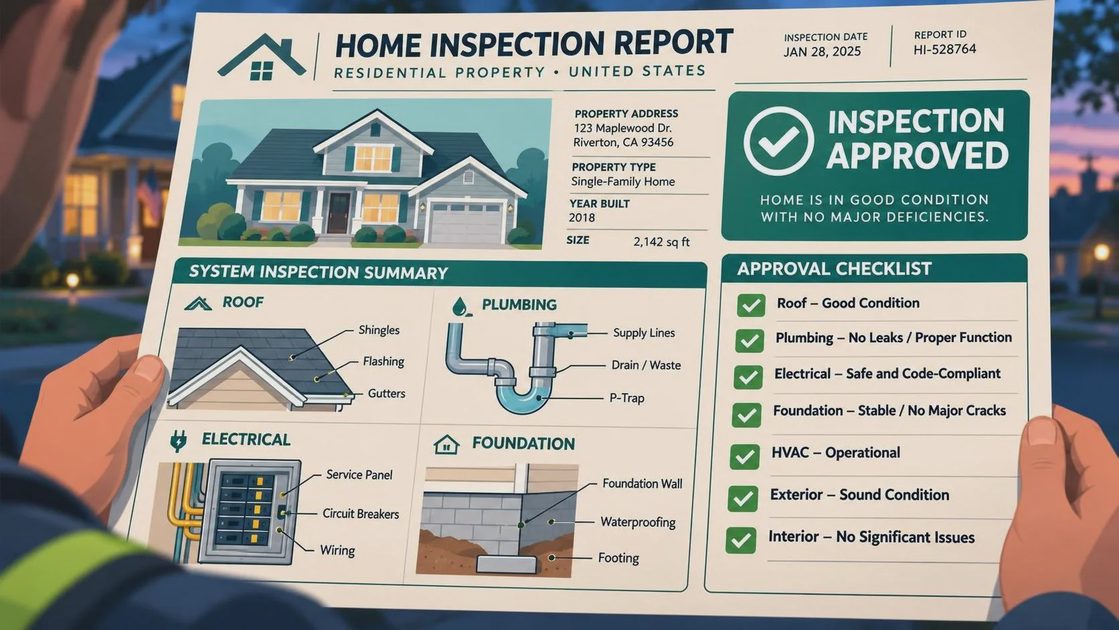
For example, a contractor’s quote to correct a leaking shower might cover opening the surrounding finish, repairing the identified source, and restoring tile and drywall. Ask whether it also includes matching materials, waterproofing, disposal, testing, and protection of adjacent finishes. Those omissions can turn an apparently tidy quote into a much larger bill. If the source is not yet confirmed, request a range tied to stated assumptions, not a pretend fixed price.
Carry a separate contingency for concealed damage when the evidence justifies one. The appropriate amount depends on what might be behind the finish and how much investigation has already been done. Sarah’s red pen would circle an allowance that says only “water damage: $5,000.” It tells you neither what gets repaired nor what happens if the framing is wet.
Inspection fees and repair prices vary by market, property size, access, and scope. Obtain local written quotes for significant work rather than importing a national average into a seven-figure purchase.
Document repairs and verify the finished work
Send the builder a concise list that references the report’s item numbers and photographs. For each significant item, request a description of the proposed correction, who will perform it, and when it will be completed. “Will monitor” is not the same thing as finding and correcting a leak.
Ask for relevant invoices, product documentation, test results, and photographs of work that will be concealed. Then arrange a reinspection of completed items. Your inspector may charge an additional fee, but a second look can establish whether the visible correction was actually completed and whether further specialist verification is needed.
Keep the report, repair correspondence, and warranty materials together after closing. Note the process and deadlines for reporting later problems, and photograph any new symptoms as they appear. The goal is not to turn every paint blemish into a crisis. It is to know which items are cosmetic, which require a trade, and which could leave you paying for an investigation the builder never finished.


No letters yet — pray write the first.