A $1 million new home can hide a $40,000 repair reserve behind fresh paint, clean trim, and a builder warranty packet. That is why a home inspection checklist for buyers should do more than confirm that outlets work. It should identify defects, connect them to likely repair costs, and separate cosmetic noise from failures that can damage the structure or drain your budget. New construction is not automatically sound construction. I have walked brand-new homes where the drywall looked perfect while grading sent stormwater toward the foundation and roof penetrations were already leaking.
Start Outside: Water Is the First Expensive Test
The exterior belongs at the top of any home inspection checklist for buyers because water causes the most persistent and costly damage. Walk the lot after rain if possible. Look for soil sloping toward the house, mulch piled against siding, downspouts discharging beside the foundation, and standing water near patios or retaining walls. A missing extension may cost only $20 to correct; failed drainage across a finished yard can run $5,000 to $20,000.
Check the roof from the ground and attic. Look for lifted shingles, exposed fasteners, incomplete flashing, and daylight around plumbing vents. On a tile or metal roof, inspect penetrations and valleys rather than admiring the material warranty. A single poorly flashed chimney or vent can create hidden sheathing damage before the first warranty visit. Budget roughly $300 to $900 for a minor flashing repair, but $8,000 to $25,000 if water has reached insulation, framing, or interior finishes.
The garage deserves its own pass. Confirm that the slab drains toward the door, the fire-rated separation is intact, and the automatic opener reverses against resistance. A three-eighths-inch elevation change at the garage threshold can signal drainage or slab-tolerance trouble, not just an annoying trip hazard.
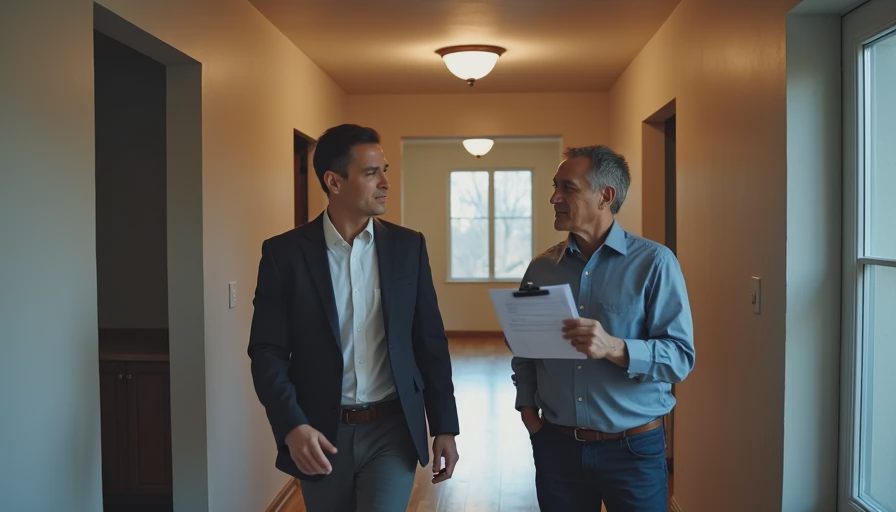
Read the Structure, Not Just the Drywall
A standard home inspection checklist for buyers often notes cracks without explaining their significance. That is where cost judgment matters. Hairline drywall cracks over a doorway may reflect normal movement and cost $200 to $600 to repair and repaint. Stair-step masonry cracks, doors that bind, sloping floors, or repeated cracks at multiple corners deserve an engineer's review. A structural assessment commonly costs $500 to $1,500; ignoring a movement problem can turn a manageable repair into a $15,000 to $60,000 project.
In the attic, inspect trusses for unauthorized cuts, crushed lumber, missing connectors, and compressed insulation around recessed lights. Do not accept “the HVAC crew needed room” as an engineering explanation. Cutting a truss can compromise the designed load path. The correction might involve a few hundred dollars in approved reinforcement or several thousand dollars in temporary support, engineering, and access work.
Check crawlspaces and basements for damp insulation, efflorescence, rusted hardware, and wood contacting soil. A basement described as “a bit damp” may need $15,000 to $22,000 in drainage and structural remediation, especially when water pressure is pushing through joints.
Mechanical Systems Need Numbers and Documentation
Use the home inspection checklist for buyers to record model numbers, installation dates, and visible conditions for every major system. For HVAC equipment, photograph the data plates and ask whether the system was commissioned and balanced. A new heat pump that short-cycles, produces uneven temperatures, or lacks proper condensate protection is not delivering the value promised by its age. Replacement can exceed $10,000, while correcting duct leakage or poor balancing may cost $1,000 to $4,000.
Test every plumbing fixture simultaneously. Run showers while flushing toilets and operating sinks. Watch for pressure loss, slow drains, hammering, and hot water recovery. Inspect water heaters for missing drain pans, absent expansion tanks where required by the system design, and discharge piping that terminates improperly. A failed shutoff valve is a minor service call; a concealed supply leak behind finished tile can create a $6,000 to $20,000 opening and restoration job.
Electrical work deserves the same skepticism. Test receptacles, verify that GFCI protection is present in wet areas, and inspect the panel for mislabeled circuits, double-tapped breakers, loose conductors, or missing blanks. Do not confuse a large service panel with a well-installed electrical system. Correcting a few defects may cost $250 to $1,000; extensive rework can reach $10,000 or more.
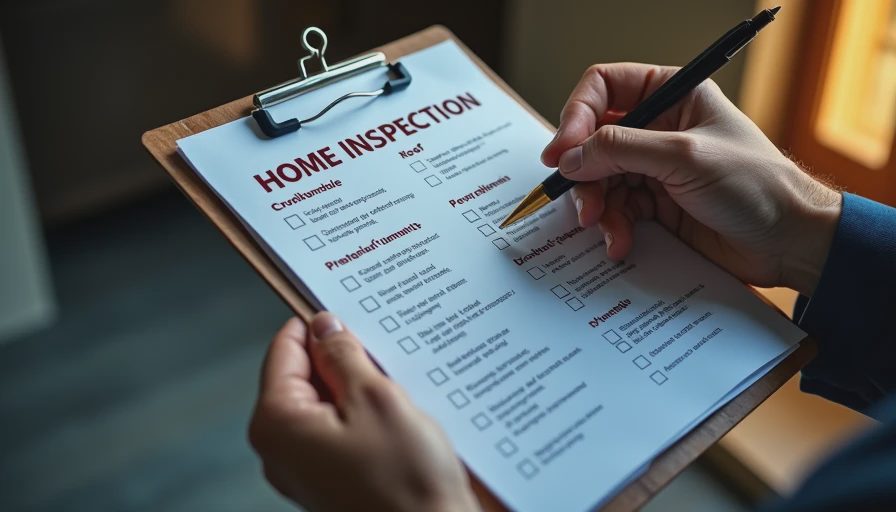
Windows, Doors, and Finishes Reveal Installation Quality
The practical home inspection checklist for buyers includes every window and exterior door, not merely a sample. Open, lock, and latch each unit. Look for failed seals, cracked frames, water stains at sills, and gaps that daylight can expose. A replacement insulated window often costs $700 to $1,500 installed, while correcting a flashing failure behind several windows can require siding removal and exceed $10,000.
Inspect tile with a straightedge and tap questionable areas for hollow sounds. Loose tile, uneven grout lines, and cracked corners frequently indicate poor substrate preparation. Replacing a small bathroom floor might cost $1,500 to $4,000; repairing a wet shower assembly can reach $8,000 to $18,000 after demolition, waterproofing, tile, and drying. Cabinet doors that do not align are irritating. A shower pan that leaks is financial evidence.
Look at paint, trim, and flooring in natural light. These items matter less than water management, structure, and safety, but they help identify rushed completion. A new house with widespread touch-up work, damaged flooring, and inconsistent caulk may have been closed before the trades completed their punch list.
Turn Findings Into a Repair Reserve
A home inspection checklist for buyers becomes useful only when findings enter a dollar-based ledger. Create three columns: safety or habitability, water or structural risk, and cosmetic or convenience work. Put the likely cost beside each item, then add access and finish restoration. Replacing a failed exterior faucet might be $250. Finding the leak after cabinetry and drywall are installed changes the number entirely.
Request invoices, permits, equipment manuals, and warranty contacts for completed work. Ask the builder to demonstrate repairs rather than accepting a photograph of caulk. For a $1 million property, a preliminary reserve of $10,000 may sound substantial but can disappear after one drainage correction and one HVAC problem. A more credible reserve is based on observed conditions, access difficulty, local labor, and the age of each system.
A useful home inspection checklist for buyers also records who identified the issue, where it appears, and what evidence supports the estimate. This prevents a vague warranty conversation from replacing an actual scope of work. Take wide photographs for location and close photographs for proof. Sarah would red-pen any spreadsheet that says “fix exterior” without dimensions, materials, or a responsible trade.
The Final Walkthrough Should Prove Completion
The last home inspection checklist for buyers should be performed after repairs and before closing, not from the passenger seat on moving day. Compare every correction against the original report. Run water, test outlets, operate windows, inspect attic access, and look for fresh stains or newly painted patches. Bring a moisture meter if you know how to interpret readings, and bring a flashlight bright enough to expose the corners everyone hoped you would skip.
Ask for written documentation of structural repairs, waterproofing, electrical work, and HVAC commissioning. Verify that replacement materials are installed correctly, not merely delivered to the garage. A builder's warranty is useful, but it is not a substitute for discovering defects before ownership changes hands.
The question is not whether anything is wrong with the house. Every house has a punch list. The question is how many dollars you must spend to fix it, how soon those dollars will be needed, and whether the work is being addressed by the right trade. Use this home inspection checklist for buyers as a field document, then hire specialists when the evidence points beyond a general inspection. Fresh paint is cheap. Correcting concealed water, structural movement, or unsafe wiring is not.



No letters yet — pray write the first.