A $1 million new house can conceal a $15,000 plumbing repair behind a wall that looks flawless. Plumbing leaks behind drywall new build buyers discover after closing are rarely caused by age; they usually trace back to rushed rough-in work, damaged fittings, poor pipe support, or a missed pressure test. “It’s covered by the builder warranty” sounds comforting until your hardwood floor, cabinets, and painted drywall are already wet. I prefer a harder question: how many dollars are exposed, and what evidence exists before you sign?
Why new construction plumbing still fails
New does not mean tested by a person who cares about your furniture. A plumber may install hundreds of fittings in a project, while the general contractor is tracking insulation, cabinets, HVAC, inspections, and schedule penalties. One loose PEX connection can sit quietly inside a wall until the system cycles through temperature changes and pressure spikes.
The common failure points are surprisingly ordinary. A nail or screw can pierce a water line after rough plumbing is complete. A PEX fitting may not be fully seated. Copper pipe can be poorly soldered, leaving a pinhole that appears months later. Drain lines can lack proper slope or support, producing slow leaks at joints. Shower valves, refrigerator supply lines, washing machine boxes, and tub overflows deserve special attention because they are often buried behind finished surfaces.
The builder’s phrase “the plumbing passed inspection” proves only that the work met the inspection observed at that stage. It does not prove that every connection remained dry after drywall, trim, cabinets, and appliances were installed. A passing inspection is a milestone, not a forensic guarantee.

How to inspect before drywall and after finishes
The best inspection happens in two passes. Before drywall, photograph every visible water line, valve, drain, and pipe penetration. Use a tape measure in the images so future access is possible. Mark the location of shutoffs and branch lines on a floor plan. A $40 digital moisture meter is useful after finishes, but it is not a substitute for opening suspicious areas.
Ask for the pressure-test record and the date it was performed. A practical test involves pressurizing the supply system and monitoring whether pressure holds for the required period under local inspection procedures. Do not accept a verbal “everything was tested.” Ask which systems were tested, at what pressure, and whether repairs followed any pressure loss.
After drywall, inspect ceilings below bathrooms, cabinet interiors, baseboards, and flooring transitions. Run every fixture long enough to expose drainage problems. Fill tubs and sinks, then drain them while checking the trap and nearby ceiling. Operate toilets repeatedly and look for movement at the base. Run the dishwasher and washing machine through a fill and drain cycle. Look behind the refrigerator if the appliance is already connected.
Infrared cameras can identify temperature differences from active supply leaks, but they do not magically see through walls. Moisture meters can also react to metal fasteners, wiring, and dense materials. Treat unusual readings as a reason to investigate, not as a final diagnosis.
What plumbing leaks behind drywall new build repairs actually cost
A small access-and-repair job may cost $300 to $900 when the leak is localized, the drywall is unfinished, and no materials are damaged. Once a finished wall must be opened, dried, patched, textured, and painted, the same fitting can create a $1,200 to $3,000 invoice. Matching custom paint or specialty plaster pushes the number higher.
Water damage expands the ledger quickly. Wet insulation removal and replacement can add $500 to $2,000. Hardwood flooring repairs commonly reach $2,000 to $8,000, depending on whether boards can be blended. Cabinet removal, toe-kick replacement, and countertop protection can add $1,000 to $5,000. If water remains trapped under flooring or inside a wall cavity, professional drying may run $1,500 to $4,000.
Mold remediation is not automatic every time a pipe drips, but prolonged moisture changes the discussion. A contained area may cost $2,000 to $6,000 to remediate; larger contamination involving cabinetry, insulation, or multiple rooms can move beyond $10,000. Those are repair ranges, not scare tactics. Sarah would put each line in a spreadsheet, separate the plumbing failure from the collateral damage, and ask who controls each cost.
The red flags inspectors miss
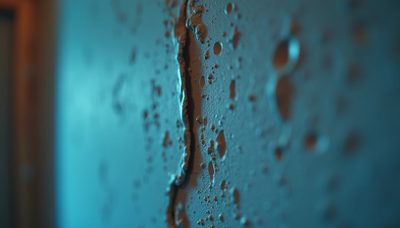
Fresh paint on a single ceiling section is not proof of deception, but it is a question. So are new baseboards in one small area, swollen cabinet bottoms, patched drywall inside a closet, or a dehumidifier running during a showing. Look for mineral deposits around fittings, corrosion on shutoff valves, musty smells, and flooring that changes color near a bathroom wall.
Listen when fixtures operate. Water hammer, a sharp banging noise after a valve closes, can indicate inadequate pipe restraint or excessive pressure. A drain that gurgles may have venting or drainage problems. Toilets that rock, shower walls that flex, and tubs that drain slowly deserve written findings, not a casual note in a 50-page report.
Thermal expansion can also expose marginal connections. A leak that appears only when hot water runs is easy to miss during a short walkthrough. Test the hot and cold sides separately where possible. Check the water heater pan, discharge piping, recirculation connections, and nearby wall penetrations. The expensive leak is often adjacent to the fixture, not inside it.

How to document plumbing leaks behind drywall new build
Create a defect log with four columns: location, observed condition, likely consequence, and repair allowance. Attach dated photographs and a simple floor-plan reference. “Water stain near upstairs bath” is weak. “Brown discoloration on the ceiling below the hall tub, moisture reading elevated at the drain-side corner, access likely from the ceiling, allowance $2,500 to $6,000” is useful.
Request the builder’s response in writing, including the suspected source, repair method, drying procedure, and finish restoration. A cosmetic patch over an active or untested leak is not a repair. If drywall is opened, photograph the fitting before it disappears. Confirm that insulation was removed or proven dry, and require a repeat fixture test afterward.
For plumbing leaks behind drywall new build buyers should also request records for pressure tests, municipal inspections, appliance connections, and prior warranty calls. Patterns matter. Three separate “minor” repairs around the same bathroom suggest a coordination problem, not three unrelated bad-luck events.
Do not let a warranty promise replace a cost reserve. Warranty coverage can address defective workmanship, but it does not erase your temporary housing, damaged belongings, scheduling, or project-management burden. I am not your attorney, and contract interpretation belongs elsewhere. My job is to put a realistic number beside the risk.
The pre-closing decision in plain dollars
If testing finds one dry, accessible fitting with no collateral damage, the practical exposure may be under $1,000. If there is unexplained moisture, missing documentation, damaged flooring, or multiple wet locations, a reserve of $10,000 to $25,000 is more defensible until the assembly is opened and dried. A multi-room incident involving cabinets, hardwood, and mold-related work can exceed $30,000.
Before closing, bring a licensed plumber or qualified building consultant back for targeted destructive inspection where evidence supports it. Pay for an hour of investigation rather than gambling several thousand dollars on a builder’s cheerful sentence. New homes should be clean, dry, and documented. If they are not, the defect is not “just a punch-list item.” It is a price with a wall around it.
Plumbing leaks behind drywall new build homes can remain invisible until the warranty clock, your patience, and your flooring all start running out. Photograph the evidence, demand a credible repair scope, and price the damage before you sign. Don’t ask whether anything is wrong with the house. Ask how many dollars you have to spend to fix it.



No letters yet — pray write the first.