A repair allowance of $300 to $1,500 is usually enough for isolated nail pops, but a pattern across a new house can point to rushed drywall work, wet framing, or movement that deserves a closer look. Nail pops new construction buyers discover during a final walkthrough are not automatically a structural emergency. They are, however, evidence. The question is not whether the builder can dab joint compound over each bump. The question is why the bumps appeared before you have even unpacked the coffee maker.
What nail pops actually are
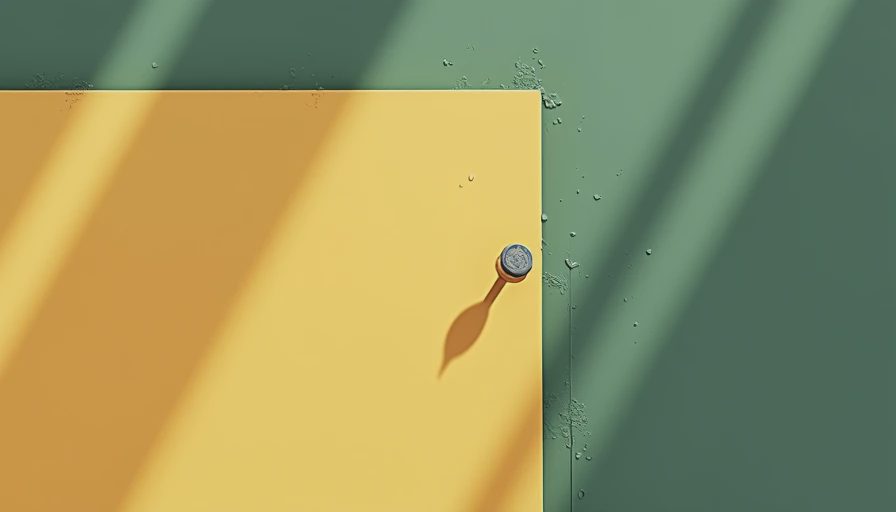
A nail pop is a raised, circular spot where a drywall fastener has moved toward or through the finished surface. Modern drywall crews typically use screws, but nails still appear in some applications, including older framing practices, certain trim areas, or repairs. A screw head can also push through and create the same visible defect, so the label is often used broadly.
The common causes are straightforward. Lumber shrinks as it dries, reducing the grip around a fastener. Drywall can move slightly as the framing adjusts to temperature and humidity. A fastener may have been driven too deeply, leaving the paper face damaged and reducing its holding power. In worse cases, the drywall was not adequately secured to the framing in the first place.
One or two spots in a 3,000-square-foot house are cosmetic defects. Twenty spots clustered along one wall are a workmanship pattern. A long line of raised fasteners near a ceiling, door opening, or stairwell deserves documentation before anyone reaches for spackle.
Why nail pops new construction should not be dismissed
Builders often describe nail pops new construction as normal settling. That phrase can be technically convenient and practically useless. Homes do experience seasonal movement, but “normal” does not tell you whether the repair is a $75 touch-up or the visible symptom of loose drywall and unstable framing.
Start by mapping every defect. Use painter’s tape to mark each pop and photograph it with a ruler or coin for scale. Record the room, wall orientation, approximate height, and whether the spot is merely raised, cracked, or actively pushing through the paper. A simple floor plan with red dots is more useful than a 50-page inspection report that says “minor drywall blemishes observed.”
Then look for companions. Cracked tape joints, diagonal cracks extending from door corners, doors that bind, uneven baseboards, or repeated ceiling defects change the conversation. None proves a structural failure, but together they justify an experienced builder, drywall contractor, or structural engineer examining the area rather than a warranty technician applying twenty identical patches.
The repair cost ladder
For three to five isolated nail pops new construction, a drywall professional may charge a minimum service call of roughly $150 to $300. The actual patching takes minutes, but mobilization, drying time, sanding, and matching the existing texture create the bill. If the repair is included in the builder’s warranty work, your direct cost may be zero; your cost in time and repeated access appointments is not.
A room with 15 to 30 pops generally falls into the $400 to $1,200 range when the contractor must patch, prime, and repaint sections rather than individual dots. Matching orange peel, knockdown, or hand-textured finishes is where optimistic estimates go to die. Spot paint can leave visible halos, especially under recessed lighting.
If a whole ceiling or several connected walls need refinishing, budget $1,500 to $4,000 for patching, sealing, texture work, and repainting. High ceilings, built-ins, dark colors, and extensive furniture protection push the figure upward. If fasteners are loose because drywall was poorly attached, removal and replacement can move the repair into the $3,000 to $10,000 range for multiple rooms.
That is the number I want in the reserve, not the builder’s casual promise that a painter will “take care of it.”
How to distinguish cosmetic from concerning
The location matters. Isolated pops in a large, uninterrupted wall are commonly related to fastener installation or drying lumber. Pops concentrated around a beam pocket, structural post, vaulted ceiling, or large opening deserve more attention because those areas experience complicated transitions between materials and loads.
The shape matters too. A clean circular bump with no spreading crack is less concerning than a pop surrounded by a star-shaped crack or a joint that has opened several inches. Press lightly beside the defect. A hollow or loose-feeling drywall panel suggests poor attachment. Do not push hard enough to puncture the surface; your inspection should not become a new line item.
With nail pops new construction, timing is also evidence. A few defects appearing after the first dry winter may reflect normal material drying. A dozen new defects appearing within weeks of closing can indicate an incomplete installation, excessive moisture during construction, or movement that should be tracked. Keep dated photos. Memory is a poor project-management system, even if the house cost $1.2 million.

What to demand before closing
Ask for a written repair scope, not a verbal reassurance. The scope should identify each affected room, the number of defects, the proposed fastening method, the patching process, primer, texture, paint coverage, and final inspection. “Repair nail pops” is not a scope. It is a sentence someone types when they do not want to price the work.
For nail pops new construction, the proper repair usually involves removing or driving the failed fastener safely, installing a replacement fastener where appropriate, filling the hole, applying joint compound in more than one pass, sanding, priming, matching texture, and painting enough area to avoid obvious flashing. Simply pushing the bump flat and painting over it is cosmetic concealment, not a durable repair.
Use a bright inspection light after the repair. View the wall from several angles, especially beside windows and under ceiling fixtures. Run your hand across the area once it is dry. If you can still see or feel the patch, the job is unfinished. A final walkthrough should also confirm that baseboards, flooring, outlets, and cabinetry were protected from sanding dust and paint.
The buyer’s practical decision
A small number of nail pops should not automatically kill a purchase. A new house is a complex assembly of lumber, drywall, concrete, mechanical systems, and finishes; a few imperfect fasteners are not shocking. What matters is whether the builder recognizes the pattern, offers a complete repair, and documents the result.
Nail pops new construction become a negotiation problem when they are widespread, recurring, or accompanied by cracks and loose panels. In that situation, price the visible repair and reserve money for a second visit after seasonal movement. A reasonable planning reserve might be $2,000 to $5,000 for broad drywall correction, with more set aside if ceilings, tall walls, or multiple finishes are involved.
Do not let a spotless model-home finish persuade you that every defect is harmless. Model homes receive continuous touch-ups. Your house will receive your furniture, your lighting, and eventually the unforgiving afternoon sun. The defects that disappear under a soft showroom glow often become obvious once the family photos are hung.
The useful question is simple: how many dollars will it take to make the surfaces durable and visually consistent? Nail pops new construction are cheap when isolated, expensive when repeated, and valuable as clues when they arrive with other movement signs. Photograph them, map them, price them, and get the repair scope in writing before you sign your name.





No letters yet — pray write the first.