
The call came from a buyer who had already wired earnest money on a “turnkey” spec home. “It’s move-in ready, Ethan. Just need your final sign-off.” I arrived expecting minor punch list items. I left with a report that killed the deal — or saved it, depending on perspective — by documenting $47,000 in defects not priced into the purchase.
This wasn’t a shoddy build. It was a high-end spec home in a desirable Austin suburb. The finishes looked showroom perfect. The agent called it pristine. But a proper cost audit looks past the staging and into the systems that actually matter over time. Here’s what I found that day.
The Defects That Added Up to $47,000
I started with the foundation and worked up, as always. The numbers told the story:
Foundation and Slab ($14,000 projected)
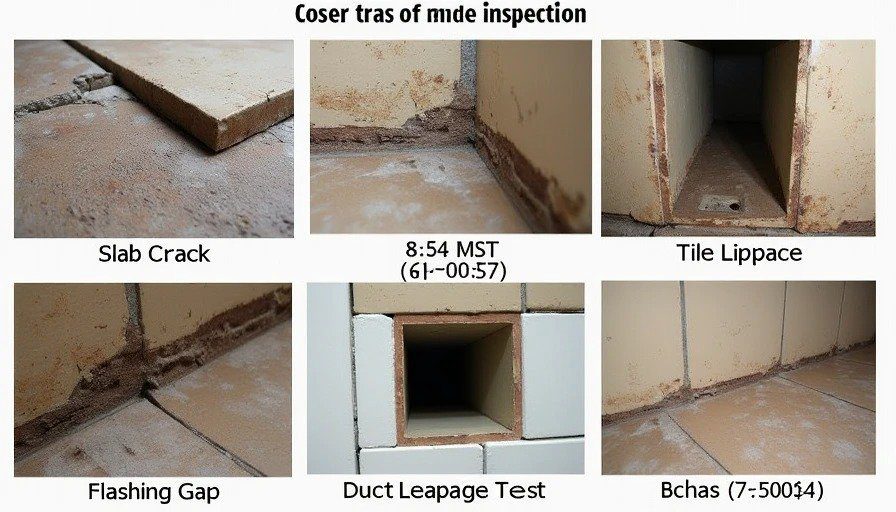
Minor differential settlement already visible in hairline cracks with 1/4-inch elevation changes across the main living area. Drainage grading sloped incorrectly toward the house in one corner. In Texas soils, this wasn’t going to improve. Repair path: targeted piers and regrading.
Envelope and Moisture Intrusion Risk ($16,500)
Flashing at roof-to-wall transitions was incomplete or improperly lapped in multiple locations. Several windows showed poor sealant application. The “enhanced” stucco had inconsistent thickness and lacked proper control joints in high-stress areas. These issues pointed to future water intrusion costing serious money to fix once finishes were installed.
HVAC and Mechanicals ($9,000)
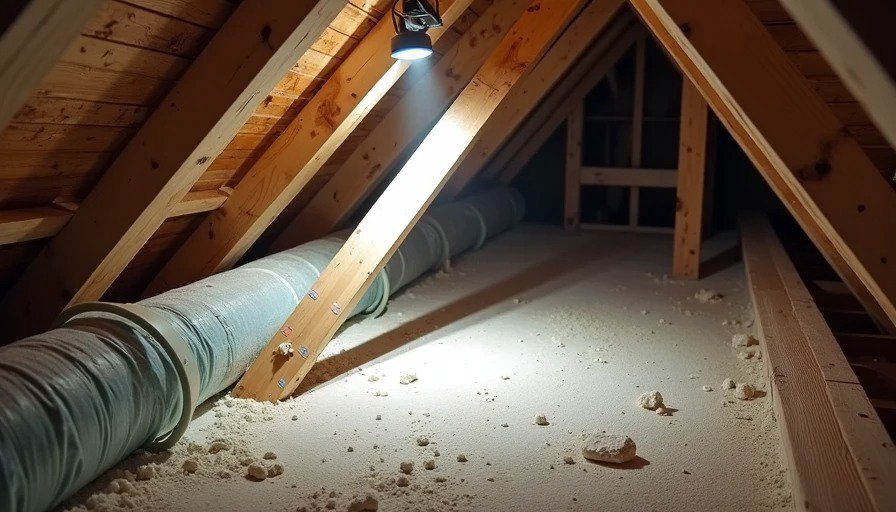
Ductwork had significant leakage due to poor sealing and compression in tight chases. Return air paths were inadequate for the zoning. The system passed basic pressure tests but would short-cycle and deliver uneven comfort while driving up bills. Balancing and sealing after the fact is expensive.
Finishes and Tolerances ($7,500)
Tile installed over a substrate that wasn’t properly flattened — lippage already measurable. Cabinetry showed minor racking due to framing movement. These would manifest as grout cracks and sticking doors within the first year or two.
Total realistic repair and remediation reserve needed: $47,000 within the first five years. The builder’s “turnkey” warranty language covered almost none of it under their definitions of “normal.”
Why Standard Inspections Missed It
The prior home inspector had checked the boxes. Outlets worked. Roof didn’t leak on a sunny day. HVAC blew air. But they didn’t measure tolerances, test duct leakage, or evaluate long-term performance details. They weren’t paid to price the future cost of shortcuts.
This is the exact gap my audits fill. I don’t just flag “minor cracks.” I document width, differential, location, and project the dollars. I don’t note “appears functional HVAC.” I measure static pressure, temperature differentials across rooms, and calculate the efficiency loss.
Lessons from This Specific Job
Red Flag 1: Over-Reliance on “Turnkey” Marketing
“Move-in ready” often means the builder finished the visible parts and moved on. Systems behind the walls get less attention when the goal is quick sale.
Red Flag 2: Schedule Pressure Signs
Evidence of rushed trades — paint overspray on mechanicals, inconsistent finishes in concealed areas, incomplete documentation on critical systems.
Red Flag 3: Minimal Documentation
Limited records on concrete testing, cable stressing, or HVAC commissioning. High-quality builders provide this. Others resist.
The buyer ultimately walked away and found a different property. The seller wasn’t happy, but avoiding a $47,000 surprise in year one was worth far more than earnest money.
The Human Reality Behind the Numbers
Ranger came with me that day and waited patiently in the truck while I crawled through the attic. Sarah reviewed the spreadsheet that evening and found another $2,300 I had underestimated in finish repairs. Liam just wanted to know if the backyard was big enough for a future fishing pond — priorities.
These walks aren’t abstract. They’re people handing over life savings for what they believe is a turnkey dream home. My job is to make sure the dream includes realistic expectations and funded reserves.
I’ve seen the opposite too — homes where the builder over-delivered and the audit came back clean with minimal reserves needed. Those are the ones that make the tough calls worthwhile.
Why This Blog and These Audits Exist
Stories like this $1.2M spec home repeat across the market. Not because builders are malicious, but because construction is complex, schedules are aggressive, and economic incentives favor speed and margin protection over perfection.
Buyers assume “new and expensive” equals low maintenance. Reality is more nuanced. Even premium spec homes benefit from independent cost auditing. The $47,000 I found wasn’t fraud — it was execution gaps that standard processes don’t catch.
Every From the Field dispatch aims to show the real-world application of the principles in The Ledger and The Walkthrough categories. Data-driven, number-focused, and grounded in what I actually see on site.
Protecting Your Own Purchase
If you’re considering a spec home:
Insist on a full cost audit, not just a standard inspection.
Review all testing and commissioning documentation before closing.
Build reserves based on actual findings, not builder estimates.
Walk the house yourself with the report in hand — ask questions while you can still negotiate.
The $47,000 hole I found didn’t come from one catastrophic failure. It came from dozens of small shortcuts that compounded. That’s the pattern in new construction. Catch it early with numbers, not emotions.
New homes can be outstanding. But “turnkey” rarely means zero future investment. The smart buyer quantifies that investment upfront. I’ll keep walking sites, measuring what matters, and reporting the real dollars so you can decide with open eyes.
The next perfect-looking spec home might be hiding its own $47,000 surprise. Or it might be a solid long-term investment. The difference is in the details — and the data.





No letters yet — pray write the first.