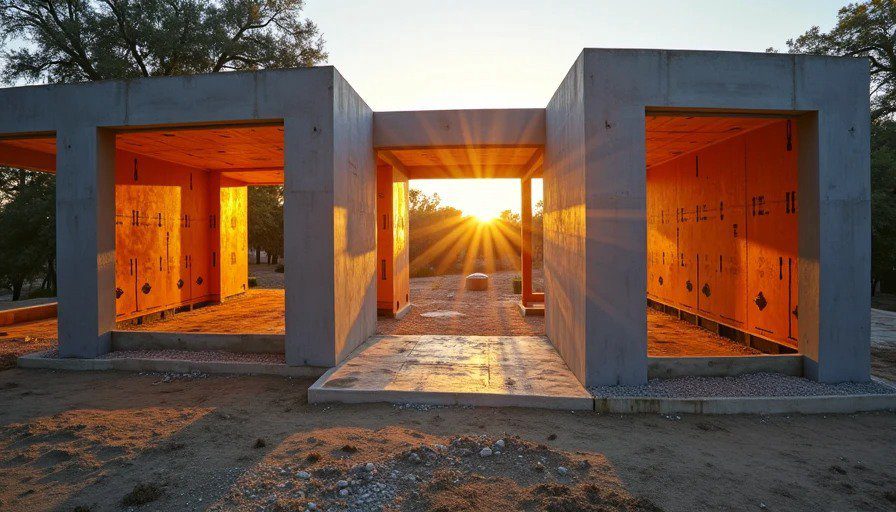
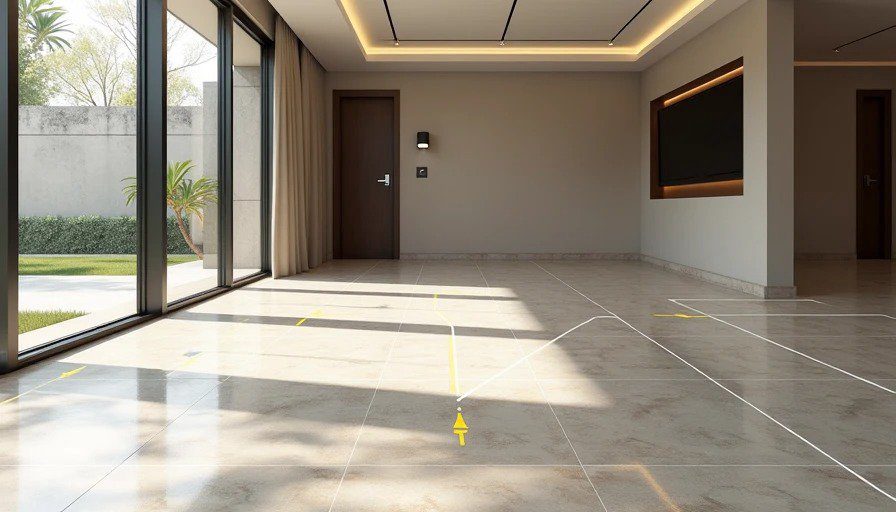
I stood in the living room of a $1.4 million spec home in the Hill Country, tape measure in one hand and laser level in the other. The builder's rep smiled and said, “It passed all inspections. Everything’s to code.” The floors looked level enough to the naked eye. My level told a different story: 7/16-inch out across the main living area. That’s not cosmetic. That’s future cracked tile, sticking doors, and a repair bill north of $16,000 within five years.
That moment crystallized why I left the commercial GC world and started auditing new homes for buyers. New construction is not defect-free. It never has been. The faster the schedule and the higher the margins, the more corners get shaved. My job is to find them and price them before you own the problem.
From Commercial Sites to Your Backyard
My career started on multimillion-dollar commercial projects. Field engineer and estimator roles at firms handling work on the scale of Turner or Bechtel taught me one unbreakable rule: every change order has a story, and that story usually involves money moving from one pocket to another.
I reviewed bids, walked job sites during pours, inspected installed systems before they got buried behind drywall, and priced the inevitable fixes when reality didn’t match the drawings. I learned exactly how contractors use allowances, substitutions, and “means and methods” to protect their margins while delivering something that technically meets minimum code.
After five years in that world, I saw the same patterns repeating in residential construction, especially at the high end where buyers assume premium pricing equals premium execution. It doesn’t. It just means bigger numbers attached to the same human tendencies to cut corners when no one is watching closely enough.
Ten years ago I went independent. My practice focuses on pre-purchase due diligence and repair reserve analysis for $1M+ new builds. I’ve walked more spec homes and custom projects than most builders’ warranty managers. Each one reinforces the same truth: the defects are there. The question is whether you discover them with data or with surprise repair invoices.
Why “New” Creates a False Sense of Security
Buyers hear “brand new” and picture zero maintenance for years. Reality is more complicated. New homes have their own failure modes driven by construction sequencing, material properties, and the pressure to close fast.
Common New-Build Realities I Price Daily:
Soil and Foundation Dynamics in Texas Expansive clays don’t care that the house is new. Poor compaction, inadequate drainage, or marginal post-tensioning show up as movement. A standard inspection might call hairline cracks “normal settling.” I measure differential, review geotech reports if available, and forecast repair costs—often $8,000 to $25,000+ depending on severity.
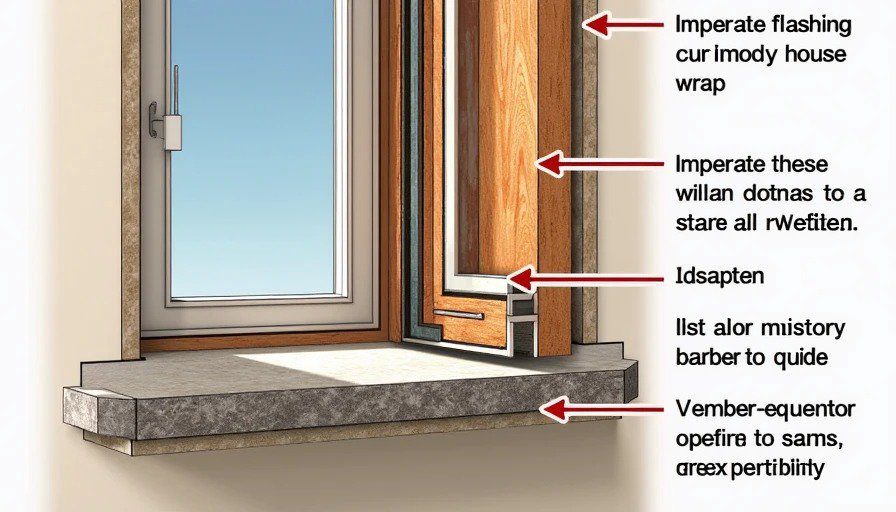
Envelope Shortcuts Flashing details, window installations, and siding transitions that pass a quick visual but lack proper overlaps or sealants. Water intrusion in new homes often appears within the first two to three rainy seasons. Remediation easily hits five figures once rot sets in.
Mechanical Systems Installed Under Pressure HVAC ducts compressed in tight chases, returns that don’t match supply, insulation compressed or missing in spots. These issues drive higher energy bills and comfort complaints long before equipment fails.
Finish Tolerances Drywall hung before framing fully settled. Tile installed over substrates that were never flattened properly. Cabinets and countertops that look perfect on day one but reveal gaps as the house moves.
These aren’t rare disasters. They’re patterns I document week after week. Builders optimize for passing municipal inspections and buyer walkthroughs. They don’t optimize for your decade of ownership costs.
The Human Side of the Numbers
My wife Sarah teaches high school math. She’s the one who catches the spreadsheet errors when I model repair reserves. She’ll look at a builder’s allowance breakdown and find the gap in about 12 minutes flat—usually where they lowballed a category knowing change orders would fill it later.
Our son Liam, 17 and more interested in fishing than framing, once asked why I spend weekends crawling through attics instead of on the river. I told him it’s the same reason I check Ranger’s paws after site walks: you protect what matters by paying attention to the details others miss.
I’ve turned down jobs where the buyer just wanted a rubber stamp. That’s not what I do. My reports make builders uncomfortable because they come with my PE license and cost data attached. They also give buyers leverage—real numbers to negotiate repairs or reserves before closing.
The Patterns That Repeat Across Projects
After a decade of independent audits, certain red flags appear with predictable frequency:
Allowance Games — Builder lists “upgraded” packages that are barely above minimum spec. The real cost hits when you want actual performance.
Scheduling Pressure — Trades overlap in ways that compromise quality. Concrete poured before plumbing is fully tested. Finishes applied before systems are balanced.
Material Substitutions — What’s in the wall often differs from the spec sheet once the job is underway.
Warranty Language — Carefully written to limit exposure. “Normal settling” covers a multitude of sins until it doesn’t.
This blog exists to shine light on those patterns without naming names. Patterns, not people. Data, not drama.
What This Blog Will Deliver
You won’t find legal advice here. I’m an engineer, not an attorney. You won’t find investment flipping strategies or macro market commentary. You will find:
The Walkthrough series: What I actually see on site that checklists miss.
The Ledger series: Cost breakdowns, reserve modeling, and change order realities.
Red Flags series: Repeating shortcuts across builders and price points.
Worth the Upgrade? series: Cold math on builder options versus real payback.
From the Field dispatches: Stories like this one, grounded in experience.
Every article leads with numbers because that’s what matters when you’re signing on the dotted line for a seven-figure asset. “Some settling” becomes “$12k–$18k projected remediation.” “Code compliant” becomes “Expect $4,500 in HVAC adjustments in year three.”
Closing the Gap Between Promise and Reality
New construction has advantages—modern systems, current codes, fresh materials. Those advantages survive only if the execution matches the marketing. My audits consistently show a realistic 5-year repair reserve for $1M–$2M new homes lands between $25,000 and $65,000 depending on observed quality. Builders’ estimates are usually a fraction of that.
The blog exists because too many buyers discover this gap the expensive way. I want you to discover it with data, on your terms, before you own the house.
Ranger the golden retriever has joined me on enough site walks to know when I find something worth noting—he gets extra treats on those days. Liam rolls his eyes but listens when I explain tolerances. Sarah keeps the spreadsheets honest. And I keep walking houses so that when you buy one, the numbers work in your favor instead of the builder’s.
New is not defect-free. But informed is powerful. Let’s make sure your new home stays that way—with real numbers guiding every decision.





No letters yet — pray write the first.