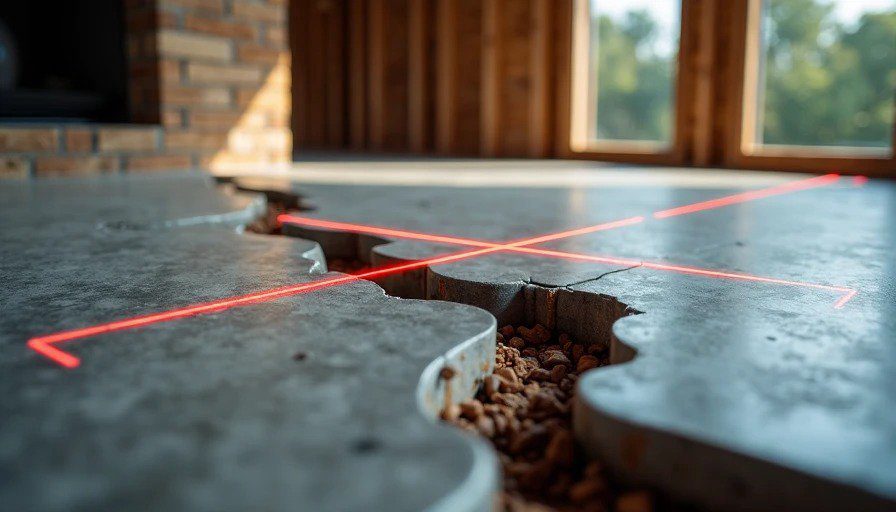
I get the call at least twice a month. “Ethan, the inspector said there are some cracks in the slab but it’s normal for new construction. Should I be worried?” My answer is always the same: Don’t ask if it’s wrong. Ask how many dollars it will cost to live with or fix.
Slab cracks show up in new builds for a variety of reasons. Some are truly benign. Others signal foundation movement that will cascade into thousands of dollars in repairs, tile replacement, and lost resale value. The difference often comes down to width, location, pattern, and context—details a standard visual inspection rarely quantifies with numbers.
As a PE with structural focus and years pricing commercial and residential work, I measure, map, and model these cracks. Here’s the field walkthrough I perform on every new build I audit.
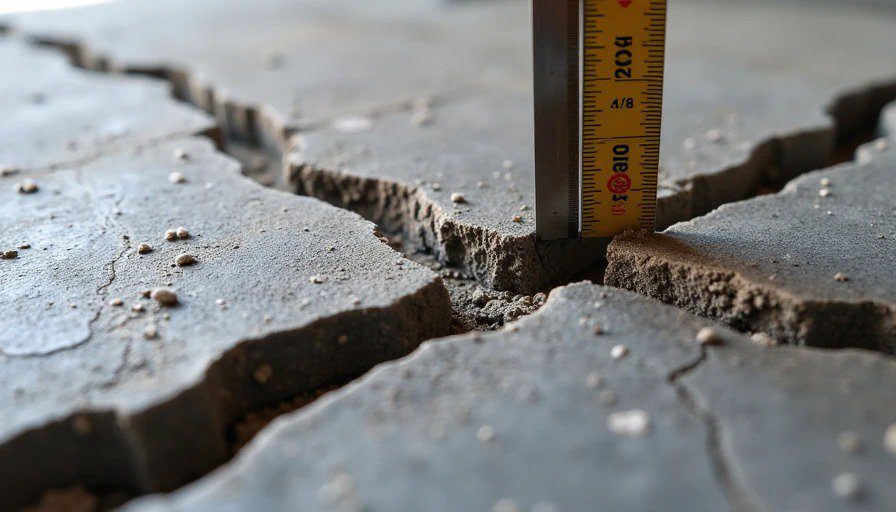
Step 1: Measure Before You Panic
Not every crack is a crisis. Hairline cracks under 1/16 inch (about 1.5mm) that don’t grow over time are common as concrete cures and the house settles slightly. In Texas, with our expansive soils, some movement is expected.
But context matters. I look for:
Width and Depth: Anything over 1/8 inch (3mm) deserves closer scrutiny. Wider cracks, especially if they show vertical displacement (one side higher than the other), indicate differential settlement.
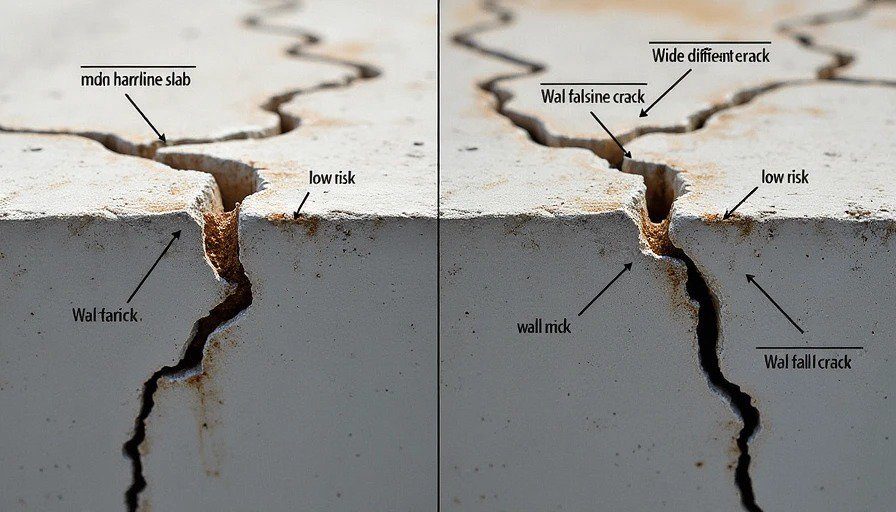
Pattern: Random map cracking is often shrinkage during curing—usually low cost. Straight lines following rebar or post-tension tendons can signal tension issues. Diagonal cracks from corners often point to soil movement or poor grading.
Location: Cracks under load-bearing walls or near plumbing penetrations carry higher risk. Cracks in the middle of a room slab are less concerning if isolated.
During my walkthroughs, I use a crack gauge, straight edge, and laser level to document elevation changes across the slab. A deviation greater than 3/8 inch over 20 feet starts triggering real repair cost projections.
When a Crack Is “Nothing” (Relatively Speaking)
Some cracks are cosmetic and stable:
Curing Shrinkage: Fine, non-structural cracks that appear in the first few months and stop. These rarely require intervention beyond cosmetic filling if they bother you aesthetically. Cost: $200–$800 for professional epoxy injection in visible areas.
Minor Settlement in Low-Risk Zones: Isolated hairlines in non-tiled areas with no accompanying wall cracks or sticking doors. Monitor for 6–12 months. If stable, budget $500–$1,500 for monitoring and minor sealing.
Control Joints Done Right: Builders install control joints to direct cracking. If the crack follows the joint cleanly, it’s doing its job.
In these cases, the fix is cheap and the long-term risk is low. I still note them because buyers should understand what they’re signing up for in the repair reserve.
When a Crack Is “Everything” — Structural Red Flags
This is where costs escalate fast. Warning signs I flag immediately:
Active Movement: Cracks that widen over time or show fresh dust/soil at edges. Indicates ongoing settlement.
Differential Elevation: One side of the crack higher by 1/4 inch or more. This misaligns floors, stresses walls, and destroys hard surfaces.
Multiple Cracks in Pattern: Starburst or stepped cracking suggesting foundation failure at specific piers or poor soil compaction.
Associated Interior Damage: Drywall cracks directly above, doors that won’t close properly, or uneven tile lippage. These confirm load transfer issues.
In Texas clay soils, these problems often worsen with seasonal moisture changes. What starts as a $5,000 repair can balloon to $20,000–$40,000+ if ignored until major movement occurs.
Real Repair Costs in Texas Conditions
Here’s the data-driven pricing I include in every audit (based on local contractor bids and my estimating history):
Minor Cosmetic Fixes
Epoxy injection or crack sealing: $300–$1,200
Skim coating and touch-up: $800–$2,500
Moderate Settlement Remediation
Under-slab foam injection or mudjacking for lifting: $4,000–$12,000
Drainage corrections and grading: $2,500–$7,000
Major Structural Intervention
Helical piers or push piers for stabilization: $8,000–$30,000+ depending on home size and number of piers needed
Full slab replacement in extreme cases: $25,000–$60,000+ (rare but devastating)
Interior repairs (tile, drywall, doors): $5,000–$15,000 on top of foundation work
These numbers explain why I push hard for thorough geotech reports and proper post-tensioning verification before closing. One poorly compacted zone under a slab can cost more than your entire upgrade package.
What Builders Say vs. What the Numbers Show
You’ll hear “normal settling” or “all homes do this.” That’s true for minor cracks. It’s marketing language when applied to active differential movement. Builders design to minimum code. They don’t guarantee performance against local soil realities over time.
In my audits, I cross-reference:
Original geotechnical soil report (if available)
Post-tension cable layout and stressing records
Grading and drainage as-built conditions
Neighboring homes for similar patterns
This gives buyers leverage. I’ve seen sellers cover $15,000–$25,000 in escrow for repairs when the data is undeniable.
Monitoring and Prevention Going Forward
If you’re already in the home or buying one with noted cracks:
Document everything with dated photos and measurements.
Install crack monitors if movement is suspected.
Maintain consistent moisture around the foundation—proper grading and downspout extensions are cheap insurance.
Budget realistically in your repair reserve. Even “stable” slabs in Texas benefit from a $3,000–$8,000 line item for potential movement.
Prevention during construction is better: insist on verified compaction testing, proper post-tensioning, and good perimeter drainage before the slab is poured.
The Takeaway for New Build Buyers
A slab crack isn’t automatically a deal-breaker. But ignoring the difference between shrinkage and settlement is how $1M+ homes become money pits. My cost audit doesn’t just point at the crack. It tells you the probability it gets worse, the timeline, and the exact dollars you should reserve or negotiate.
Next time the inspector says “just a hairline crack,” ask for measurements and context. Better yet, bring someone who prices the outcome. Because in the end, it’s not about whether the house has a crack. It’s about how many thousands that crack is going to cost you over the next decade.
Don’t let “normal for new construction” become expensive for you. Measure it. Price it. Decide with data.




No letters yet — pray write the first.