
The $1.2 Million Illusion
Don't ask me if there's anything wrong with this house. Ask me how many US dollars you have to spend to fix it.
I’ve walked hundreds of $1M+ new builds across Texas. Buyers hand over keys thinking “new means perfect.” The builder smiles, the agent nods, and everyone pats themselves on the back. Six months later, that “minor settling” turns into a $18,000 foundation remediation line item. The “code-compliant” HVAC starts short-cycling and your electric bills jump 40%. The tile that looked flawless develops lippage and cracks because the slab was out of tolerance by 3/8 inch.
A standard home inspection catches the obvious. It tells you the outlets work and the roof doesn’t leak today. It does not tell you what those issues will cost you in repairs, or how the builder’s shortcuts baked those costs into your future.
That’s where my cost audit comes in. I don’t just flag problems. I price them with my PE stamp and CCP credential behind every number. I’ve spent 15 years on the other side—estimating change orders for major commercial builders and learning exactly how contractors bury profit in specs that look fine on paper but fail in reality.
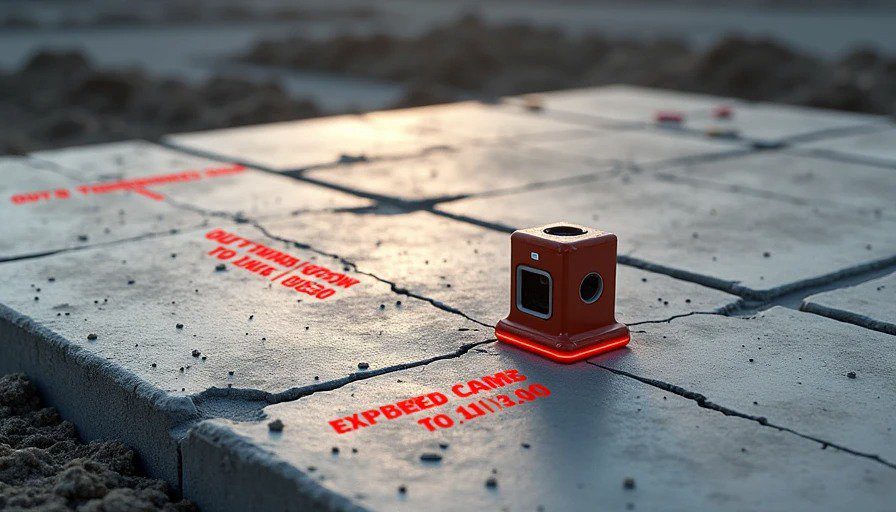
What a Standard Inspection Actually Delivers
Most new-home buyers get the mortgage-required walkthrough. The inspector spends a few hours, produces a 40–60 page PDF full of green checkmarks, and maybe notes a few cosmetic items. “Some minor cracking is normal in new construction.” “HVAC system appears functional.”
Translation: You’re on your own when the warranty dance begins.
Standard inspections follow visual checklists. They verify code compliance at a snapshot in time. They rarely dig into sequencing, material substitutions, or long-term performance. In Texas soil conditions—expansive clays that move with moisture—they miss how a “code-compliant” foundation might still settle unevenly.
I’ve reviewed dozens of these reports. They list “minor drywall cracks” without connecting them to framing tolerances or truss uplift. They note “adequate insulation” without measuring actual R-values or air sealing details that drive energy costs. They say the plumbing “passed pressure test” but don’t model future leak risks from rushed installations.
The result? Buyers close with a false sense of security and a repair reserve that’s laughably low.
The Cost Audit Difference: Numbers, Not Checkboxes
A cost audit starts where the standard inspection ends. I walk the same house, but I’m running the numbers the builder used—or didn’t use—when they bid the job.
Key differences I deliver:
Defect pricing with timelines: Not just “crack in slab,” but “This 1/8-inch crack in high-movement area projects $12,000–$22,000 in remediation within 3–7 years based on local soil data and similar cases.”
Change order forensics: I trace how allowances were structured and where substitutions likely occurred. That $8,000 “upgraded” foundation package? Often just the minimum spec with a markup.
5-year repair reserve model: A spreadsheet that forecasts realistic maintenance based on actual construction quality, not builder marketing. Sarah, my math teacher wife, has red-penned enough of these to know where the gaps hide.
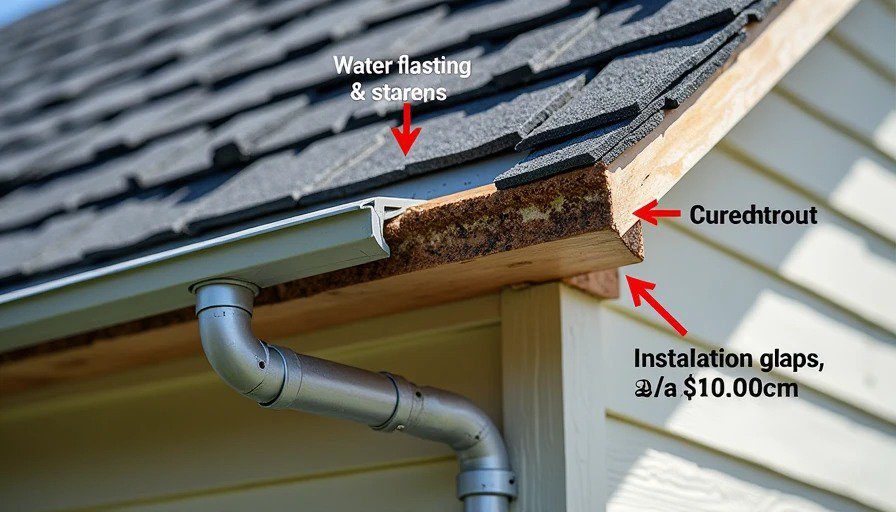
Take a common example: improper flashing at roof-wall transitions. A standard inspector might note “appears adequate.” I measure exposure, check installation sequencing against best practices, and tell you it’s likely to leak within 18–36 months, requiring $9,000–$15,000 in repairs plus interior remediation.
Real-World Numbers from the Field
In one $1.35M spec home I audited last year, the standard inspection gave it a clean bill. My cost audit surfaced:
Slab tolerances pushing tile and hardwood failure risk: $14,000–$19,000 potential
HVAC ductwork leakage and poor balancing: $6,500–$8,200 in comfort and efficiency losses over 5 years
Envelope details (windows, flashing, grading): $11,000 projected in next 4 years
Plumbing and electrical shortcuts in concealed areas: $4,800 contingency
Total realistic 5-year repair reserve needed: $42,000+. The builder’s “warranty coverage” estimate? Under $8,000.
Builders optimize for passing final inspection and turning the key. They don’t price for the buyer’s 10-year ownership costs. My job is to close that gap with data.
Why New Construction Hides More Than You Think
New homes have rushed schedules. Subcontractors work fast to meet deadlines. Material substitutions happen quietly. Soil prep in Texas can look solid until the first wet-dry cycle.
Common patterns I price out:
Foundation and Slab Issues
Expansive soils mean even “engineered” slabs can move. A visible crack might be cosmetic. But when combined with poor drainage or inadequate post-tensioning, it signals bigger trouble. Repair costs average $7,500–$30,000+ depending on scope.
Envelope and Moisture
Improperly installed housewrap, missing weep holes, or inadequate overhangs. These pass visual checks but invite water intrusion that leads to mold and rot—repairs easily $15,000–$50,000 if widespread.
Mechanical Systems
Ducts installed with gaps or compressed, undersized returns, poor zoning. You’ll feel it in comfort and utility bills long before warranty claims get traction.
Finishes and Tolerances
Cabinetry installed before framing settled, tile over uneven substrates, paint over green lumber. Cosmetic today, expensive fixes tomorrow.
I don’t speculate. I measure, model, and price using real labor and material data from my estimating background.
Building Your Repair Reserve the Right Way
Here’s a simplified framework I use (full spreadsheet in my audits):
Category | Likely Low-End 5-Year Cost | High-End Scenario | Notes |
|---|---|---|---|
Foundation/Slab | $2,000 | $25,000 | Soil movement primary driver |
Envelope/Water | $3,500 | $18,000 | Flashing, windows, grading |
HVAC/Mechanical | $4,000 | $12,000 | Ducts, balancing, efficiency |
Finishes & Interiors | $5,000 | $15,000 | Tile, paint, cabinets |
Contingency (10-15%) | - | - | Always build this in |
This isn’t fearmongering. It’s engineering reality. Builders know these numbers. Their warranty language and repair reserves reflect what they expect to pay—not what you’ll actually face.
Protect Your Investment with Data
New construction carries a premium price for a reason. You’re paying for modern systems and fewer unknowns. But “fewer” doesn’t mean zero. The difference between a good house and a money pit often comes down to the details the standard inspection misses and the builder hopes you never quantify.
My cost audit gives you leverage at the negotiation table, realistic budgeting for reserves, and peace of mind that the numbers add up. I’ve saved clients far more than my fee by catching issues before closing.
The agent will tell you “This is a beautiful new home, move-in ready.” I’ll tell you exactly what that beauty will cost to maintain—and whether the builder’s shortcuts are about to become your problem.
Schedule the right inspection. Get the numbers. Sleep better in your new home.





No letters yet — pray write the first.