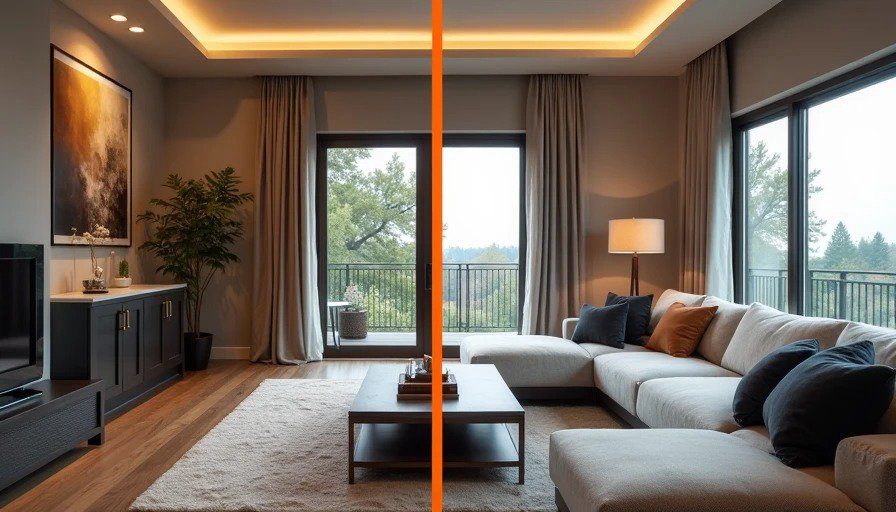
You walk the model home and fall in love. The tile work is flawless, cabinets fit perfectly, paint is smooth, and every detail sparkles. Then you visit your actual lot or the spec home under construction. Something feels off. The “same” finishes don’t look or perform the same. Welcome to the model home quality trap.
This is one of the most consistent red flags in new construction. Builders invest heavily in models to sell the dream. The homes they actually deliver to buyers often use faster methods, different subs, or value-engineered specs that deliver the appearance at lower cost and quality.
Why the Gap Exists
Model homes serve as marketing tools. They receive extra attention:
Experienced crews for visible areas.
Premium materials for photography.
More time for touch-ups and adjustments.
Upgraded options installed to showcase possibilities.
Production homes and spec builds prioritize schedule and margin:
Different subcontractor teams with varying skill levels.
Faster installation methods.
Material substitutions for cost control.
Less time for quality control on concealed or less visible details.
The contract language usually allows these “equivalent” substitutions. Buyers assume “same plan, same quality.” The reality is more nuanced.
Common Quality Drops I Document
Finishes and Tolerances
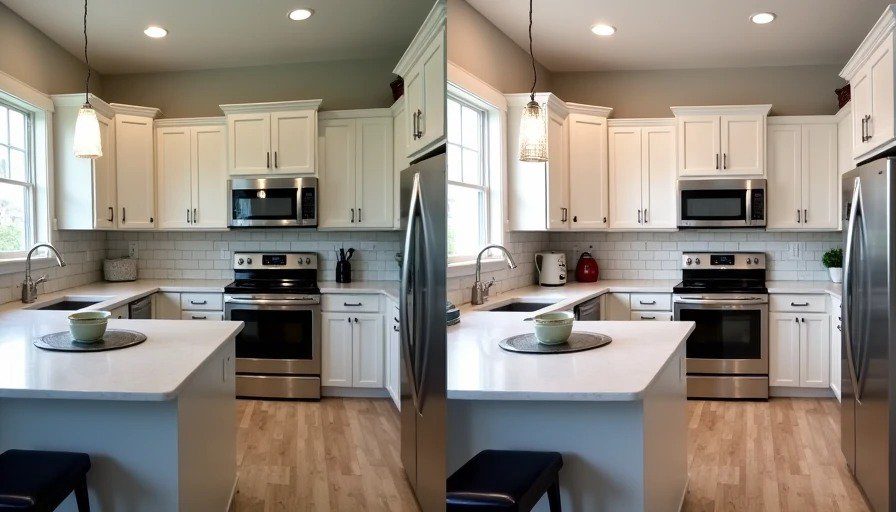
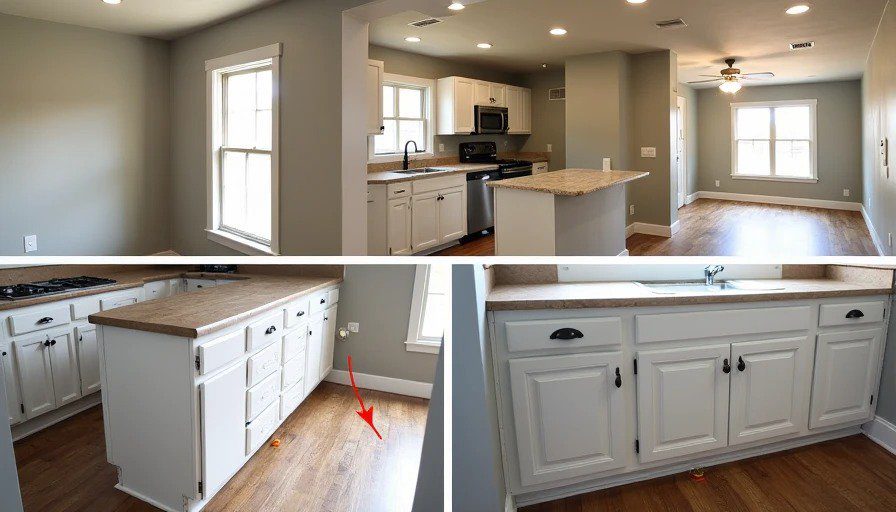
Tile and grout: Model shows tight, consistent joints. Actual home has lippage and wider variations.
Drywall and paint: Models get multiple skim coats. Production gets standard finish.
Cabinetry and millwork: Better alignment and hardware in models.
Systems and Hidden Work
HVAC duct sealing and insulation coverage better in models.
Plumbing and electrical runs neater.
Flashing and envelope details more carefully executed for the showcase home.
Site and Exterior
Landscaping and grading perfected for the model. Your lot might have marginal drainage or cheaper materials.
These differences compound. A 1/8-inch tile lippage across the floor becomes a noticeable trip hazard and grout failure point. Rushed duct sealing becomes higher bills and discomfort.
The Cost of the Quality Gap
Small differences add up quickly in repair reserves:
Tile remediation or replacement: $4,000–$12,000
Cabinet adjustments and hardware upgrades: $2,500–$6,000
Paint and drywall touch-ups beyond punch list: $1,800–$4,500
System balancing and sealing: $3,000–$7,000
Over five years, the cumulative impact from model-to-actual gaps routinely hits $15,000–$35,000 in homes that looked identical on paper.
Protecting Yourself from the Trap
Visit Multiple Homes: Tour production units in the same community, not just the model.
Document Everything: Take detailed photos during model visits and compare specifications in contracts.
Specify Key Details: Lock in brands, grades, and tolerances in addendums where possible.
Independent Audit: Hire a cost-focused inspector who understands the difference between showcase and production quality.
Pre-Closing Walks: Multiple visits at key construction stages with your report in hand.
Contracts often include “substantially similar” language. Push for clearer definitions and remedies for material deviations.
The Pattern Across Builders and Markets
This trap appears consistently because the incentive structure favors impressive models for sales velocity. Production efficiency demands compromises. It’s not usually malicious — it’s business. But buyers bear the long-term consequences in comfort, maintenance, and resale perception.
My audits bridge this gap by quantifying the differences in real dollars. The model might sell the dream. The spreadsheet protects your investment in reality.
Don’t Let the Dream Home Become a Compromise
The model home quality trap is avoidable with eyes open and data in hand. Love the design, but verify the execution on your specific home. The finishes you fall in love with in the model should translate to your daily life, not just the sales center.
Demand transparency. Measure tolerances. Price the differences. Your new home should deliver the quality you were shown — not a diluted version optimized for speed and margin.
The build you’re buying isn’t the one you toured. Make sure it’s close enough — or negotiate until it is. The numbers don’t lie, even if the staging does.




No letters yet — pray write the first.