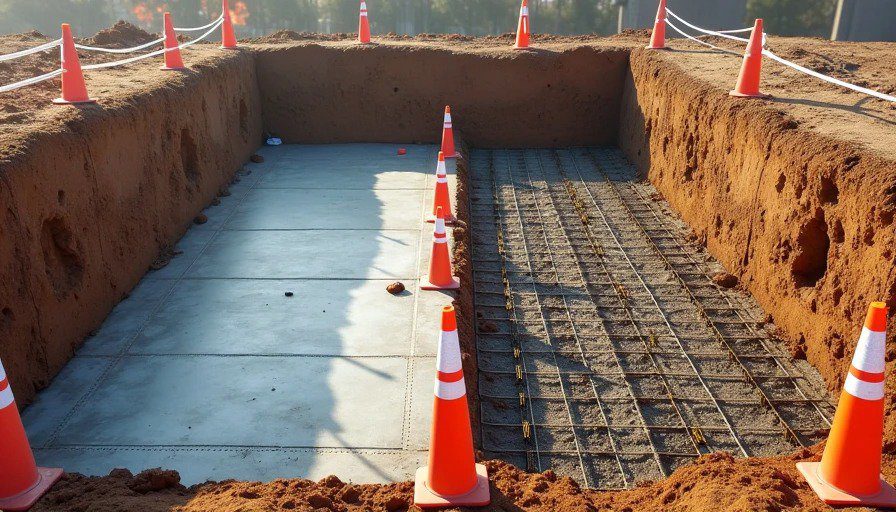
The sales packet proudly lists the “Premium Foundation Package – $12,000 upgrade.” It includes “enhanced soil preparation,” “post-tension cable system,” and “superior drainage details.” Sounds impressive. Until you walk the site with a tape measure, level, and soil probe and realize it’s barely more than the base spec with a healthy markup.
I’ve seen this exact play dozens of times in Austin and surrounding Hill Country developments. The “upgraded” package frequently meets minimum code but falls well short of best practices for local expansive clays and variable weather. That difference shows up years later as cracks, uneven floors, and repair bills that dwarf the original upgrade price.
What Builders Actually Deliver in "Upgraded" Packages
Marketing language is excellent at sounding better than reality. Here’s what I typically find when I audit these packages:
Soil Preparation Claims
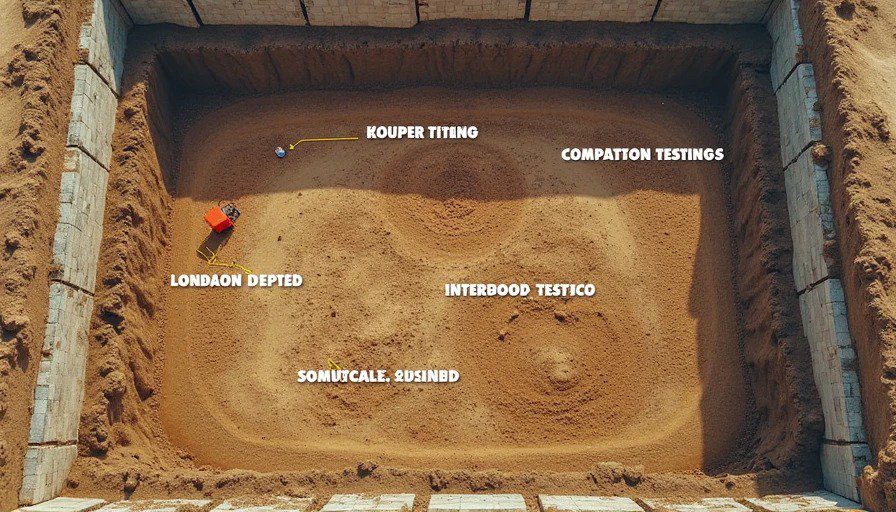
“Enhanced compaction and testing” often means basic proof-rolling with minimal lifts. Proper engineering for Texas soils usually requires geotechnical recommendations for over-excavation of problem areas, imported select fill, and moisture conditioning to specific percentages. Many “upgrades” skip deep verification or moisture monitoring.
Post-Tension vs. Conventional
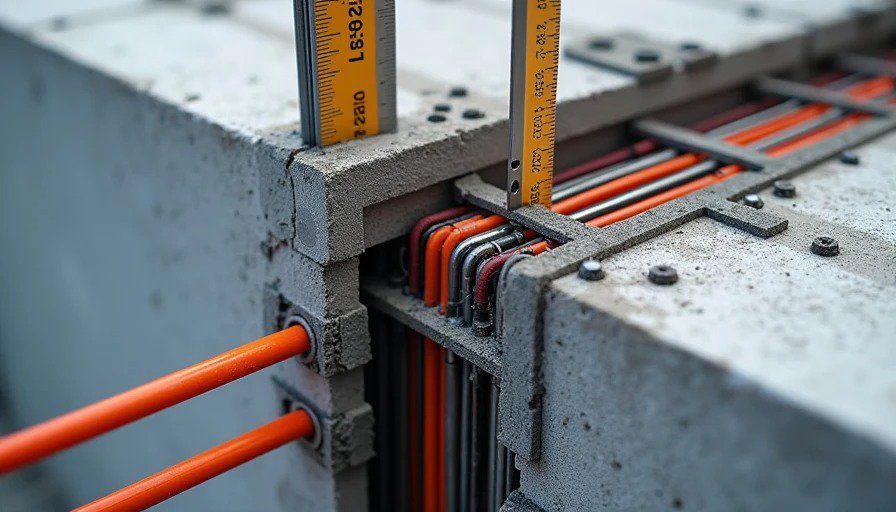
Post-tension slabs are common in the region because they handle movement better. However, the upgrade might simply add basic cables without increasing tendon count, spacing optimization, or proper stressing sequences. Edge beams and interior stiffeners may remain minimal.
Drainage and Grading
“Superior perimeter drainage” frequently translates to basic footer drains and minimal slope away from the house. Best practice includes comprehensive grading plans, French drains in high-risk areas, and detailed gutter/downspout integration. Shortcuts here drive most early water-related foundation stress.
Reinforcement Details
Extra rebar sounds good on paper. In practice, it might be standard 6x6 wire mesh with a few extra bars in key spots rather than a fully engineered two-way system with proper cover and supports.
Red Flag Checklist I Use on Every Walkthrough
When reviewing foundation plans and site conditions, I flag these patterns:
Lack of Site-Specific Geotech Integration: Generic packages that don’t reference the actual soil report for the lot.
Minimal Over-Excavation: No documentation of removing unsuitable material to competent bearing strata.
Standard Cable Spacing: Even in the “premium” package, cables spaced at maximum allowed intervals rather than optimized for the home’s layout and loads.
Inadequate Drainage Details: Missing or undersized weep holes, improper flashing at slab edges, or grading that doesn’t achieve 6 inches of fall in first 10 feet.
No Independent Verification: Builder self-inspects critical steps without third-party testing records for compaction, cable stressing, or concrete strength.
One $1.65M home I audited had the “Elite Foundation Package.” The as-built conditions showed differential movement starting within 14 months. Repair estimate: $28,000 for piers and drainage corrections. The upgrade premium charged? $11,500. Net loss for the buyer: significant.
Cost Comparison: Bare Minimum vs. Real Performance
Here’s the math I run for clients comparing packages:
Code-Minimum / Typical "Upgrade"
Basic post-tension slab with standard spacing
Limited select fill and compaction
Perimeter drain only
Total projected 5–10 year remediation risk: $15,000–$35,000
Properly Engineered Approach
Site-specific over-excavation and select fill
Optimized tendon layout and higher prestress
Comprehensive drainage system with redundancy
Additional reinforcement in high-stress areas
Added upfront cost: $8,000–$18,000
Projected long-term savings: Often $20,000+ in avoided repairs
The “upgrade” package usually lands somewhere in the middle — better than absolute minimum but far from optimal for long-term performance in challenging soils.
Additional hidden costs of weak foundations
Cracked and failing tile/hardwood: $8,000–$15,000
Drywall and trim repairs from movement: $3,000–$7,000
Door and window adjustments: $2,000–$5,000
Resale stigma and inspection issues: Harder to quantify but very real
What to Demand Before Signing
Don’t accept vague marketing. Request and review:
Full geotechnical soil report for your specific lot.
Engineered foundation plans stamped by a licensed structural engineer.
Compaction testing results and moisture logs from construction.
Post-tension stressing records with elongation measurements.
Detailed drainage and grading plan.
If the builder resists providing these, that’s a major red flag in itself. Independent verification during key pours is worth the small additional cost.
The Broader Pattern Across New Construction
This “upgraded but minimum” tactic repeats across many categories — roofing, HVAC, insulation, windows. Builders compete on base price and use option language to create perceived value while controlling costs. The buyer pays premium for marginal improvements.
My audits consistently show that investing in a truly robust foundation package (or negotiating credits to do it right) pays for itself many times over through reduced maintenance and better performance. Cutting corners here affects the entire house for its lifetime.
Protect Yourself with Data, Not Labels
When you see “Upgraded Foundation Package” in the options list, translate it immediately: What exactly is upgraded? By how much? Against what baseline? And does it match the actual site conditions?
The difference between a marketing label and real engineering can easily be $25,000–$50,000 over the first decade of ownership. I price that difference every week so my clients don’t have to learn it the hard way through cracked slabs and warranty battles.
Next time the builder touts their foundation upgrade, ask for the stamped calculations and testing data. Better yet, have an independent cost audit performed that looks past the labels and into the actual construction quality. Your future repair budget will thank you.
The house sits on the foundation. Make sure the foundation is actually upgraded — not just called that on the sales sheet.





No letters yet — pray write the first.